

UK Business Growth Accelerates as Factory Export Orders Reach Post-Pandemic Peak
Growth within the United Kingdom's private sector has gained further momentum this month, according to a new survey, with manufacturers experiencing the most significant surge in export orders since 2021. However, this positive development is tempered by ongoing job losses, which have now persisted for seventeen consecutive months, driven primarily by sharp reductions in the services sector.
PMI Data Indicates Strong Activity Expansion
The S&P Global flash UK composite purchasing managers' index (PMI), a key indicator closely monitored by economists, recorded a reading of 53.9 for February, showing a slight increase from 53.7 in January. These preliminary flash figures are based on early data, and any score above 50.0 signifies that economic activity is expanding, while a score below indicates contraction. February's figure represents the fastest rise in private sector activity since April 2024.
This uptick in activity was bolstered by an increase in the volume of new work received by businesses, as revealed by the survey. The services sector, which constitutes the largest portion of the UK economy and encompasses industries from hospitality and leisure to finance and healthcare, was the primary driver of this growth. Firms reported improvements in sales pipelines and new customer inquiries since the beginning of the year, despite facing challenges from tougher economic conditions and persistently high levels of business uncertainty.

Manufacturing Boosted by Export Order Surge
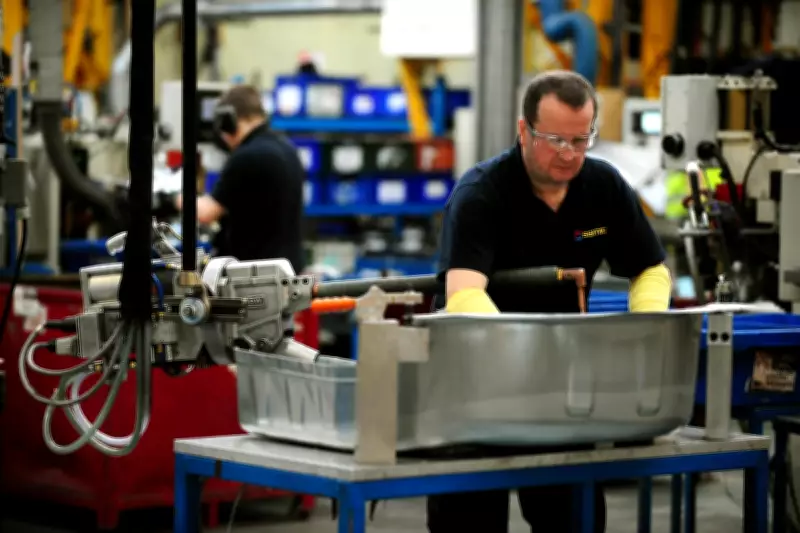
Simultaneously, factory output received a substantial boost due to a notable improvement in export orders during February. The latest rise in new work from international markets was the fastest recorded since mid-2021, according to the survey data. Chris Williamson, chief business economist at S&P Global Market Intelligence, commented that the latest data provides "further signs of an encouraging start to the year for the UK economy."
Williamson elaborated, "The upturn continues to be led by the service sector but there are signs that manufacturing is regaining momentum to join in the recovery, reporting a surge in export orders of a magnitude not seen since the pandemic." He also noted that despite higher demand for goods and services, companies remain intensely focused on boosting productivity to reduce costs, which has resulted in another month of steep job losses, prolonging the continuous jobs downturn that began with the 2024 autumn Budget.
Persistent Job Losses Amidst Growing Demand
Despite the increase in workloads, staffing numbers decreased for the seventeenth month in a row in February, as indicated by the PMI. There was a particularly sharp decline within the services sector, with numerous employers surveyed reporting redundancies in response to weaker demand and escalating costs. The survey also highlighted that firms frequently reported implementing hiring freezes due to financial pressures, while some indicated they were investing in technology without the need for additional recruitment, further contributing to the employment downturn.






