Trump's Trade War Put the UK on the Back Foot. His Actual War May Break Us
The government appears ill-prepared for the impending stagflation storm, with its 'keep calm and carry on' strategy unlikely to withstand a harsh blast of economic reality. Britain is confronting the most severe energy shock since the early 1970s, yet official assurances remain vague, promising a plan to be revealed in due time without inciting panic.
Economic Vulnerability Amid Global Conflict
It is uncertain whether the UK is better equipped to handle the fallout from Donald Trump's war with Iran compared to the pandemic six years ago, though that bar is low. Ministers are simultaneously attempting to reassure the public with promises of support while calming financial markets by insisting any aid will be limited and targeted, a contradictory stance that undermines confidence.
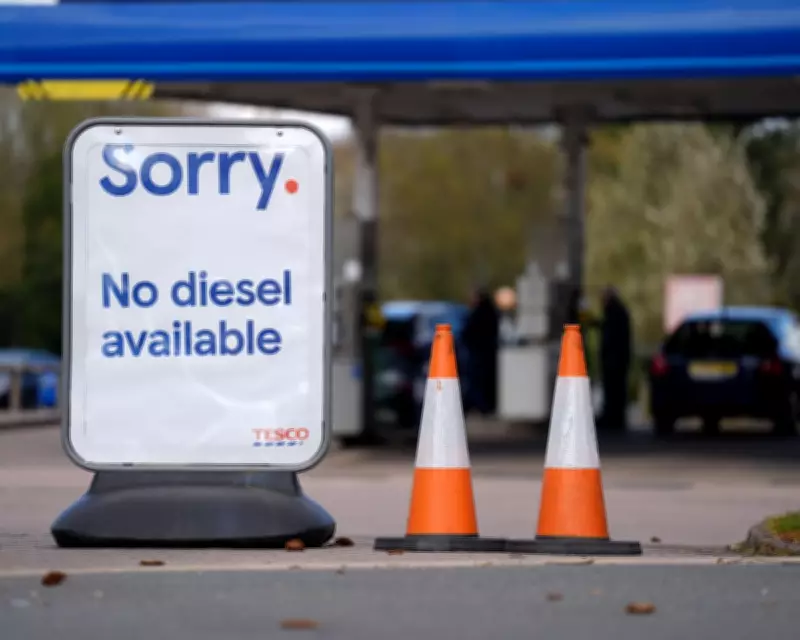
Contingency planning is inherently challenging with an unpredictable figure like Trump, but Britain's heavy reliance on imported energy and food means this fragile approach cannot hold indefinitely. The economy was already struggling before the war began over a month ago, with unemployment rising throughout 2025 and growth nearly stalling in the final quarter. Now, a massive supply shock has hit as Middle Eastern exports of oil, gas, and fertiliser have ceased.

Global Repercussions and Domestic Risks
Last year, fears of a global recession emerged after Trump announced 'liberation day' tariff increases on US imports. That trade war proved merely a precursor to the real conflict in a volatile region critical to the global economy. In recent weeks, the situation has deteriorated sharply, with Asia, heavily dependent on Gulf energy, feeling the brunt. The Philippines has declared a state of emergency, Sri Lanka implemented a four-day week, and South Korea introduced budget measures to address soaring energy bills.
The International Monetary Fund warns that higher prices and slower growth are inevitable worldwide. Shortages drive prices up, making essentials like fuel and food more expensive, reducing disposable income for other spending. Businesses may cut jobs to offset costs, leading to slumping demand and potential recession. For Britain, already projected as one of the worst-performing major economies in 2026, this downturn could be severe, making job hunting exceptionally tough for this year's graduates.
Political Maneuvering and Economic Realities
Trump's suggestion that the war could end within weeks without a deal seems desperate. Even an immediate cessation would leave significant collateral damage across the global economy, including the US. Facing a stagflation scenario that could harm Republican prospects in midterm elections, Trump appears to have blinked. In the UK, the government hopes a swift end will limit economic damage and avoid difficult decisions, anticipating a short-term inflation spike before the Bank of England can resume interest rate cuts.
Chancellor Rachel Reeves plans to scrap a fuel duty increase this autumn and assist the poorest households with energy bills. However, this optimistic scenario is unlikely to unfold smoothly. The Treasury is hesitant to act boldly, fearing bond market reactions, but past crises like the 2008 banking collapse and 2020 pandemic show that countries can implement aggressive measures—such as cutting interest rates, increasing borrowing, and printing money—without triggering market backlash when faced with disaster.
Proactive Measures and Long-Term Resilience
The Bank of England, warning of a 'substantial negative supply shock,' should prepare markets for imminent interest rate cuts. Reeves could mitigate labour market damage by reversing job-destroying increases in employers' national insurance contributions in her first budget. Additional funding for public transport subsidies and reduced speed limits would help conserve energy.

Britain must also enhance its economic resilience. This war, like the pandemic and Russia's invasion of Ukraine, exposes the fragility of global supply chains and underscores the need for greater self-reliance. Expanding renewable energy sources to reduce exposure to fossil fuel prices is crucial, but more action is required. With about 40% of food imported and no trade surplus in manufactured goods since 1982, the UK urgently needs a plan for economic self-sufficiency in an increasingly unstable world.