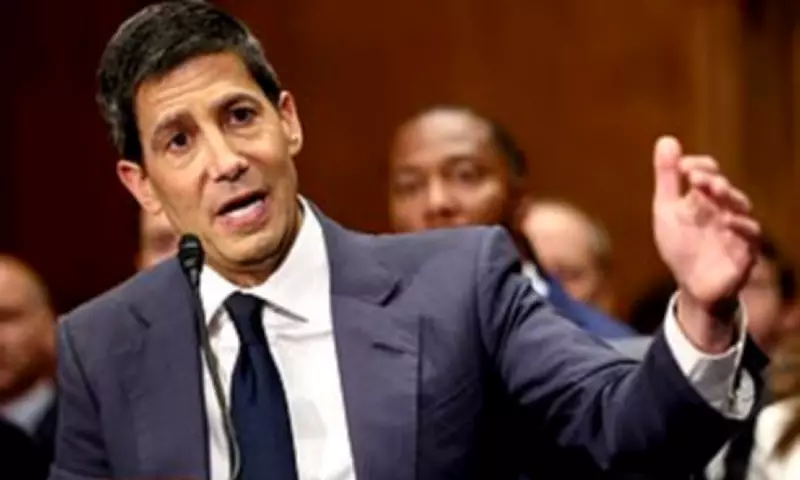
Donald Trump's handpicked choice to lead the Federal Reserve, Kevin Warsh, has officially won Senate confirmation, paving the way for a dramatic new era at America's central bank as inflation surges and political tensions intensify.
Confirmation Vote
Warsh was narrowly confirmed Wednesday by the Senate to serve as the 17th chair of the Federal Reserve. The vote was 54-45, mostly along party lines, with only Democratic Senator John Fetterman of Pennsylvania crossing the aisle to support the nomination. This marks the most partisan vote for a Fed chair nominee in history, highlighting Democratic unease with Trump's pressure on the central bank, though Republicans broadly welcome Warsh's leadership.
Transition of Power
Warsh will formally succeed Fed Chair Jerome Powell, whose eight-year tenure was marked by multiple economic crises and a heated clash with the White House over defending the central bank's political independence. Warsh inherits a Fed that has long been under political siege from President Trump and an economy rattled by geopolitical tensions driving inflation higher.

Economic Context
Warsh is widely viewed as more aligned with Trump, who has long demanded rate cuts. However, he takes office as inflation pressures intensify due to the US-Israeli war with Iran. Inflation jumped to a three-year high in April, according to the latest Consumer Price Index, and now outpaces wage growth. The new Fed chair faces the challenge of balancing political expectations with the central bank's mandate to control inflation.