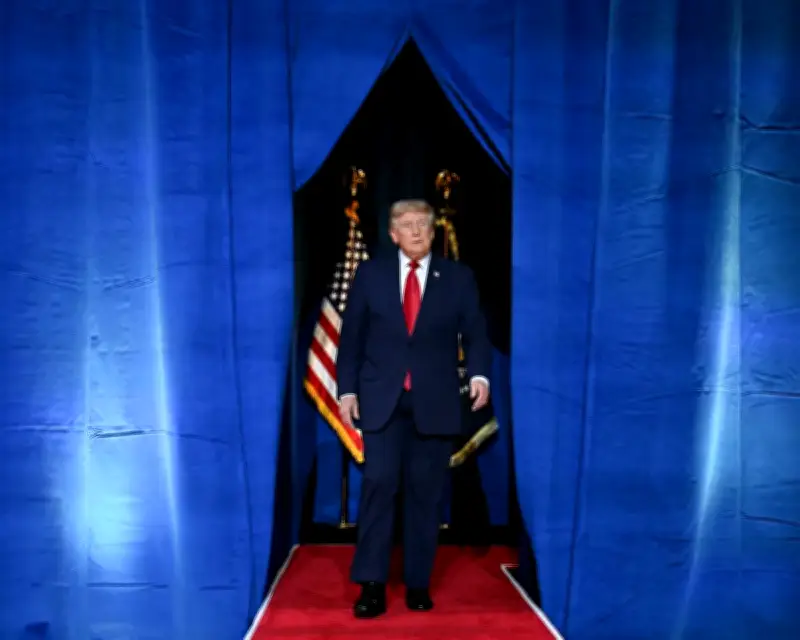
The One Big Beautiful Bill Act (OBBBA), signed by Donald Trump, delivered substantial tax cuts to both billionaires and millionaires, according to an analysis by Eduardo Porter. The legislation pairs a $5tn-plus tax cut with over $1tn in cuts to food stamps and Medicaid.
Pass-through businesses and the $820bn deduction
House Speaker Mike Johnson defended the bill, saying it was not giving tax cuts to millionaires but to “small business owners” that “provide the jobs in every community in America.” However, the analysis argues this is a myth. About 95% of US businesses are pass-throughs, employing half of all workers and generating over half of business income. Their profits are not subject to corporate tax but are distributed to owners, who face lower individual rates.
The 20% deduction for pass-through income, made permanent in OBBBA, will cost the budget $820bn over 10 years, nearly as much as the Medicaid cuts. About 57% of the $1.3tn in pass-through income in 2022 went to the richest 1%, according to the Urban-Brookings Tax Policy Center. A Treasury, Minneapolis Fed, and Dartmouth study found 35% of deductions in the year after the 2017 tax cut, $54bn, went to taxpayers earning over $1m.
Main Street millionaires and political influence
Economists Owen Zidar and Eric Zwick estimate that for every billionaire on the Forbes 400 list, there are over 4,000 Main Street millionaires worth at least $10m, with combined net worth of $46.7tn, nearly 12 times that of the Forbes plutocrats. These millionaires, including dentists, doctors, car dealers, and real estate developers, have organized as pass-throughs.
Their political power is significant. PACs run by the National Association of Realtors, National Beer Wholesalers Association, and National Automobile Dealers Association were among the top 10 donors in the 2023-24 cycle. Car dealership millionaires Don Beyer, Vern Buchanan, and Mike Kelly sit on the House Ways and Means Committee. They likely support the pass-through deduction and the new auto loan interest deduction, estimated to cost $5bn to $10bn annually for four years.
Broader economic distortions
Tax breaks are not the only issue. In 1997, doctors froze Medicare-funded residency positions, limiting new doctors. The US has 2.7 doctors per 1,000 people, compared to 3.7 in other OECD countries, and 26% of American doctors are in the richest 1%, versus 5% in Sweden. Car dealers benefit from franchise laws preventing automakers from closing them, and in 17 states, bans on direct sales. Real estate brokers have privileged access to listing information and charge monopolistic fees. Beer distributors lobby against direct brewery sales and secure territorial rights.
Trump’s signature bill, while stripping EV subsidies that helped Tesla, shows more favor to car dealers, doctors, and real estate developers within the top 1%, according to the analysis.