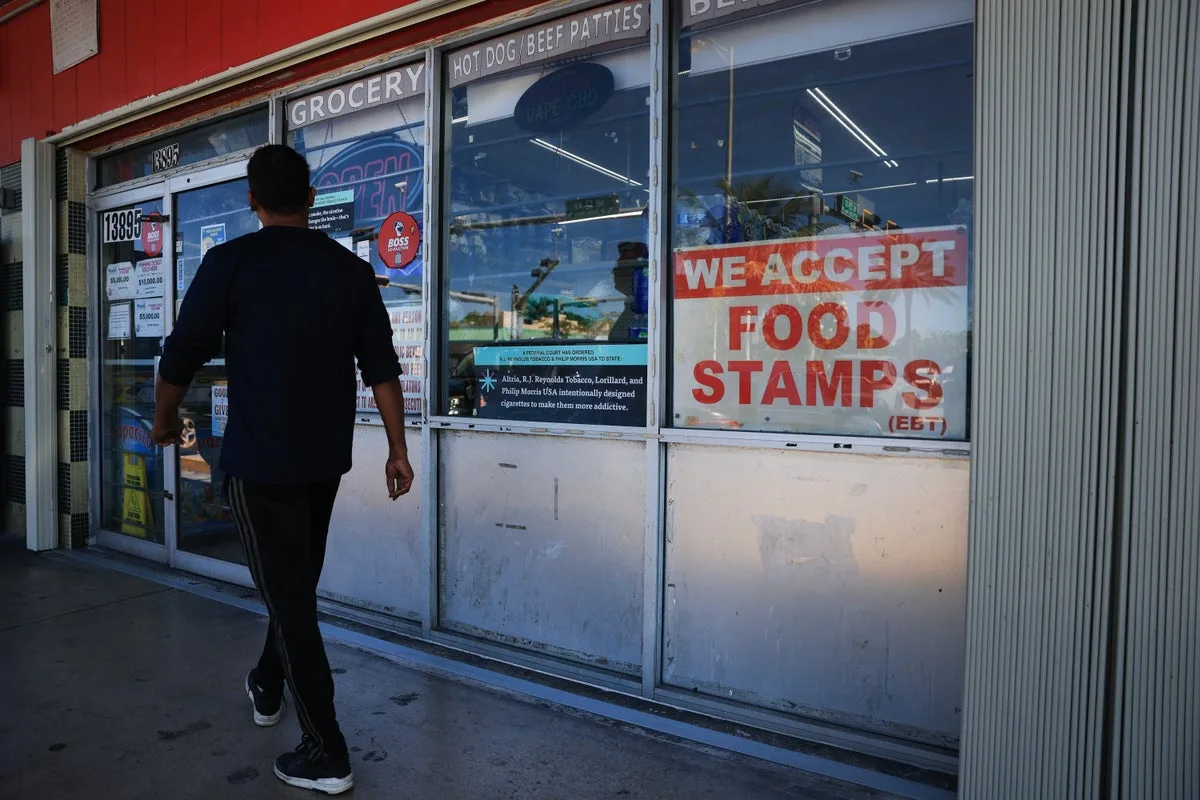
The Social Security Administration has proposed a rule change that would cut monthly payments for roughly 275,000 low-income Americans and remove more than 100,000 others from Supplemental Security Income (SSI) entirely. The move, submitted last July under the Trump administration, reverses a Biden-era policy that expanded the definition of a “public assistance household” to include those receiving SNAP benefits.
Under the 2024 rule, a household qualified for SSI-related assistance if just one member received a qualifying public benefit. The new proposal would strip SNAP from that definition, reverting to a stricter standard requiring every household member to receive public assistance. For SSI beneficiaries living with family, any help from relatives—such as housing or shared food—would then be counted as unearned income.
The Social Security Administration would deduct the estimated value of that housing from a beneficiary’s monthly cheque, even if the family’s income is low enough to qualify for nutritional assistance. The maximum federal SSI payment currently stands at $994 per month, about three-quarters of the federal poverty guideline for a single person. Affected recipients could see their payments reduced by roughly 33 per cent, leaving them with $663 each month.
Advocacy groups and state officials have strongly criticised the plan, warning that it would disproportionately harm vulnerable individuals, particularly indigent seniors and adults with disabilities who live with family without paying full rent. They argue that many depend on both SSI and SNAP to get by.
Federal officials have defended the adjustment as necessary to protect the long-term integrity of the benefits programme. The policy is not yet in force; it must undergo a lengthy regulatory process, including a mandatory public comment period and administrative review.