Iranian Shopkeepers Shut Tehran Bazaar in Protest Over Economic Crisis
Tehran Bazaar Shuts in Protest Over Iran's Economic Crisis

Shopkeepers in Iran's capital voiced their fury at the ruling regime on Monday, shutting down stores in a dramatic protest against the nation's spiralling economic crisis.

Historic Bazaar Grinds to a Halt

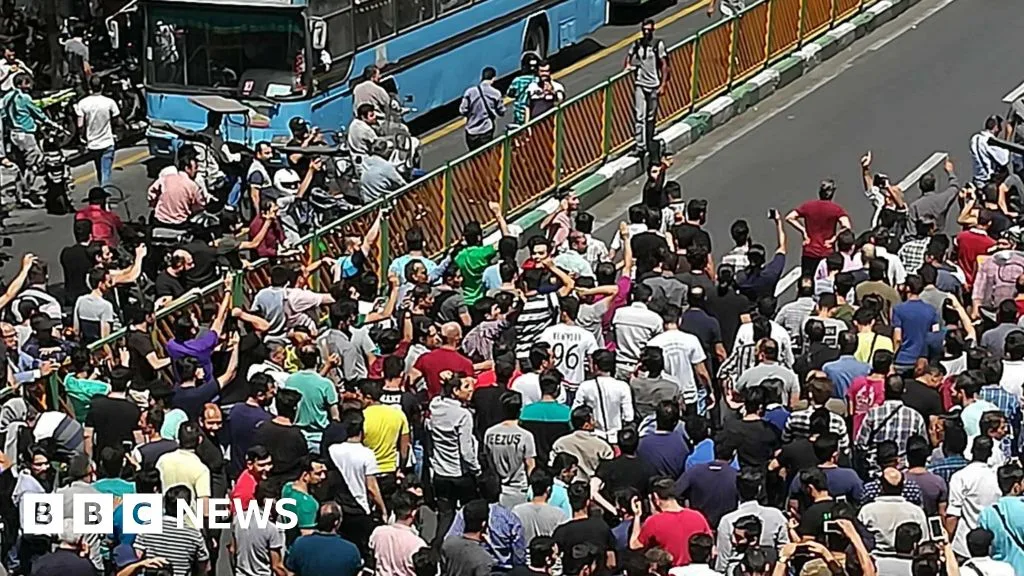
Local media reported widespread disruption at Tehran's historic Grand Bazaar, a vital commercial hub. Traders either fully closed or partially shuttered their businesses in response to soaring prices and a collapsing national currency.

The state-run IRNA news agency confirmed that a number of shopkeepers and merchants had closed their stores. It added that crowds had gathered, chanting slogans against the plummeting value of the rial and the rapidly worsening economic conditions facing ordinary citizens.

Images published by the ILNA news agency showed traders spilling into the streets surrounding the bazaar. The agency described the demonstrations as a direct protest against intense 'economic and livelihood pressures'.

Currency in Freefall on Unofficial Market

Iran's currency has continued its dramatic slide, hitting fresh record lows. According to price monitoring websites, the economic situation is stark:

  • The US dollar was trading at around 1.42 million rials on Sunday.
  • This marks a sharp increase from approximately 820,000 rials just one year ago.
  • The euro approached a staggering 1.7 million rials on the unofficial market.

While rates eased slightly on Monday, with the dollar at about 1.39 million rials, the volatility has paralysed commerce. AFP correspondents noted that some traders, particularly electronics vendors reliant on imports, had temporarily halted sales or moved pricing online to adjust more easily to fluctuating exchange rates.

Mounting Frustration and Official Responses

The renewed unrest underscores the mounting public frustration as Iranians grapple with rampant inflation, rising living costs, and a prolonged economic downturn exacerbated by Western sanctions linked to its nuclear programme.

On Sunday, the ISNA news agency reported a separate protest by shopkeepers and mobile phone vendors at a main Tehran shopping centre. They briefly closed shops to protest 'sharp fluctuations in the exchange rate' damaging their market.

One protester told ILNA on Monday that exchange rate volatility made it impossible to set stable prices or finalise deals, stating they were selling items merely to cover costs but 'price swings prevent us from replacing our goods'.

In response to the crisis, Iranian President Masoud Pezeshkian presented the budget for the next Persian year to parliament on Sunday, vowing to combat inflation and the high cost of living. Simultaneously, Chief Justice Gholamhossein Mohseni Ejei warned on Monday that anyone hoarding foreign currency would be treated as a criminal.

The conservative-aligned Fars news agency issued a warning, stating that even limited protest gatherings risked leading to broader instability, highlighting the regime's nervousness over the public's economic despair.