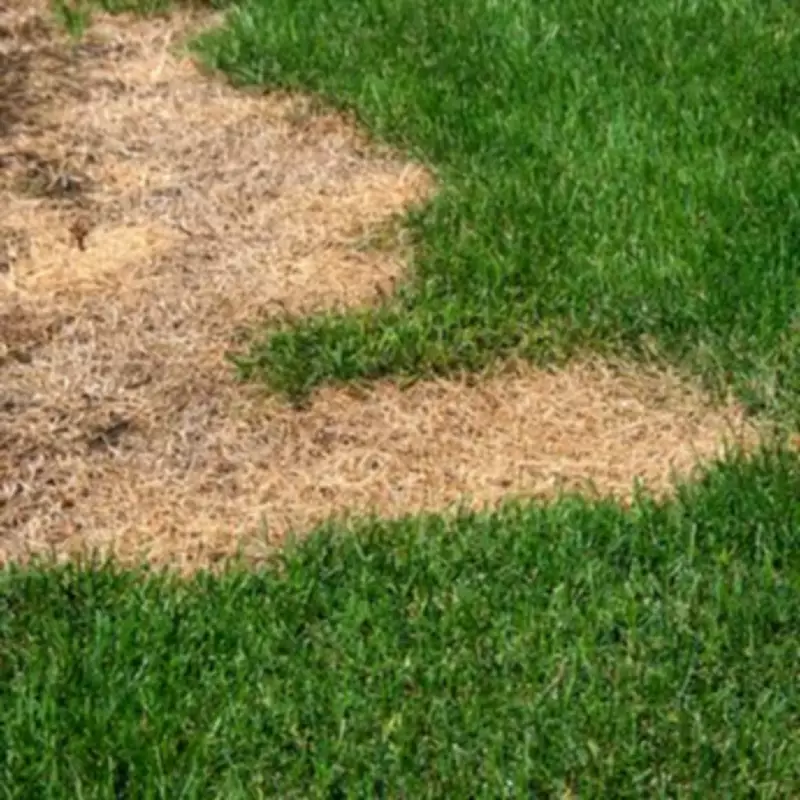
Hot weather can wreak havoc on gardens, especially lawns. Lush green grass can soon turn brown and stop growing. With less rain and strong sun, grass can quickly develop many problems. It can look like a serious issue, but there are steps to protect your lawn ahead of time. If you follow a few simple steps, it will ensure your grass recovers better from hot droughts.
Lawn Types and Heat Tolerance
The type of lawn you have will affect how well it copes in the hot weather. Formal, manicured lawns with fine grass are most likely to suffer. General lawns many people have at home are more robust and have a greater tolerance for dry conditions, yet can still be damaged. Grass can turn brown and die, but well-established lawns will have underlying roots that should still be alive. Once rain returns, fresh grass shoots will appear.
Expert Advice from the RHS
The RHS has urged gardeners not to water parched lawns, as it will recover on its own. It said: "To help your lawn cope better in future droughts, make sure it's in good condition – healthy, strong-growing and with deep, well-established roots. This is best achieved by regular lawn maintenance, including scarifying and aerating the soil."

At this time of year, the RHS said it is a good idea to let clippings fall back onto the lawn when mowing. It said: "They will act as a mulch and slow down the evaporation of water from the soil surface. Make sure the clippings are small, otherwise they can smother the grass and cause damage. If you need to buy a new mower, consider a mulching mower – this produces much finer clippings and sends them down into the lawn, where they coat the soil surface, helping to retain moisture and return nutrients to the soil."
Let Grass Grow Longer
Another way to protect lawns as the hot weather takes hold is to let the grass grow longer. The RHS explained: "Without regular clipping, grass can establish more strongly and become more resilient to drought." If gardeners have taken part in No Mow May, you can re-start mowing in June or leave the grass uncut until August. This will help it survive dry conditions as well as offering wildflowers.
Lawns that have been severely affected by drought in the summer months may need to be repaired or returfed in the autumn. The RHS said: "It's likely that the soil condition was poor, so it's a good opportunity to improve this by adding lots of organic matter before you re-lay or re-sow the lawn."