With another scorching day expected across the UK, many homeowners are looking for clever ways to cool their homes without relying on electric fans. Specialists, including those from the British Red Cross, are highlighting various techniques to lower indoor temperatures.
How Houseplants Can Help
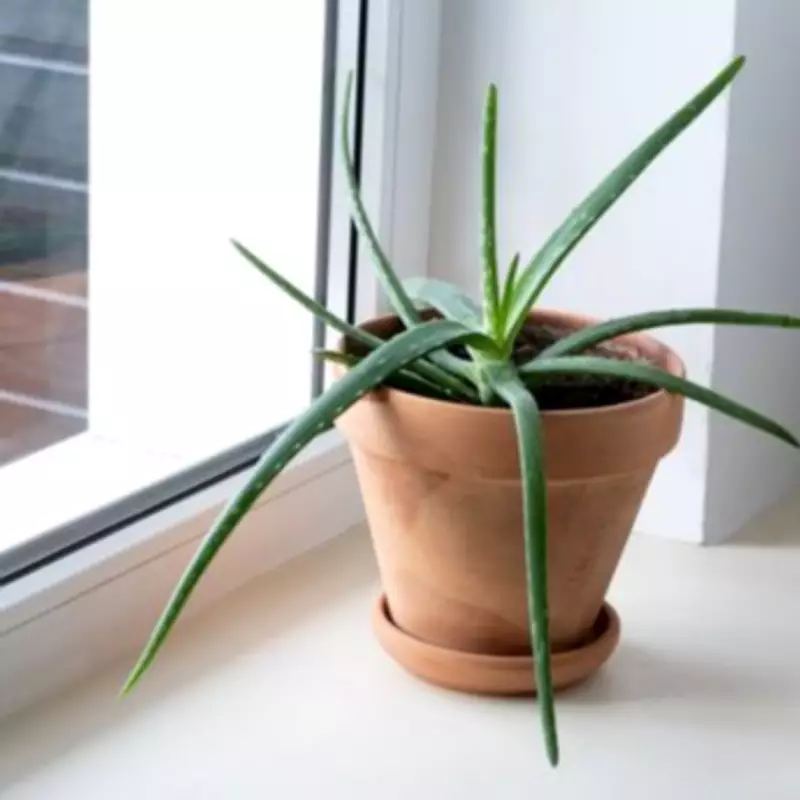
Positioning leafy green plants on windowsills that receive direct sunlight can work as a natural barrier. These plants help soak up some of the sun's warmth and, through a mechanism similar to sweating, emit moisture into the atmosphere. This not only offers a visual screen but also helps maintain the surrounding space slightly cooler without requiring an electric fan.
Explaining the benefits of placing leafy green indoor plants by windows exposed to direct sunlight, the British Red Cross said: "Indoor plants can act as a natural filter for sunlight." It added: "When placed near windows, they help absorb some of the sun's heat and release moisture, which cools the air inside your home. Potted plants are semi-permanent solutions that are simple and non-invasive, making them a perfect option for anyone, including renters."

The Gov.uk 'Beat the heat: keep cool at home checklist' also highlights the advantages of incorporating plants. It states: "Growing plants outside can provide shade, which may be particularly helpful in front of south-facing windows, while plants inside may help cool the air."
According to NASA's Earth Science Study, plants contribute significantly to cooling our planet. Their leaves offer ground-level shade, generating cooler spots beneath them. On a broader scale, their capacity to photosynthesise aids precipitation, which assists in lowering the Earth's temperature. Even in sweltering, stuffy homes, when temperatures climb too high, plants discharge excess water through their leaves. This process, known as transpiration, not only cools the plants themselves but also brings down the surrounding air temperature.
Top Air-Cooling Plants
The Plants and Flowers Foundation has compiled a list of the best houseplants for keeping rooms cool. Just be certain to verify that these are appropriate if you have any animals or children at home. These include:
- Sansevieria (snake plant) - incredibly heat-resistant, tolerates bright window light
- Aloe Vera - best option for a sunny, warm windowsill
- Palm - thrives in bright, indirect light
- Ficus Benjamina (weeping fig) - but avoid hard, direct sunlight
- Ficus Elastica (rubber plant) - prefers bright, indirect light
- Aglaonema (Chinese evergreen) - prefers indirect, medium light
Other Tips to Keep Your Home Cool
The British Red Cross also recommends additional cooling measures, such as hanging thermally lined curtains on windows that receive direct sunlight. It explains: "Thermally lined curtains have a special backing that not only blocks sunlight but also insulates against heat. This keeps your rooms cooler during the day by preventing heat from entering through the windows."
Another solution is to install blackout blinds or curtains, as it states: "Blackout blinds are made from thick fabric that blocks the majority of sunlight. Putting them up in the warmer months and taking them down when it's cooler helps you manage the temperature inside your home more effectively. Try using a blanket as a low-cost option."
It also suggests keeping warm air out during the day and ventilating at night. "Opening a window doesn't always mean you're cooling your home. In fact, if the air outside is warmer you could risk making it worse," it said. "During the hottest parts of the day, it's best to close windows to keep the warmer air out. Check the forecast to gauge when temperatures are starting to rise. Wait until the cooler times of the day to open windows. When they are open, you can create a breeze in your home by opening different windows to help air circulate."
If you have concerns about an uncomfortably hot home affecting your or someone else's health, seek medical advice. If it's an emergency, call 999.