Ferrari’s First EV ‘Luce’ Faces Online Mockery and Sales Slump
Ferrari Luce EV Faces Online Mockery and Stock Drop

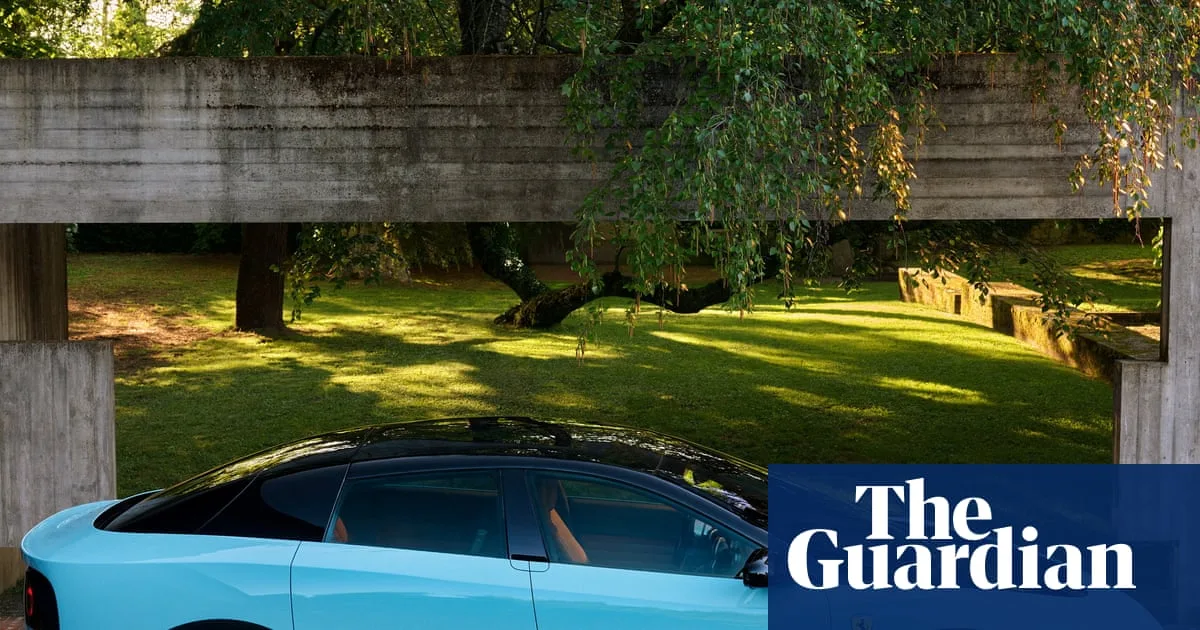
Ferrari's inaugural electric vehicle, the Luce, has been subjected to widespread online ridicule, with even the luxury sports car manufacturer's former chairman publicly criticising the new model. Priced at £474,320, the Ferrari Luce is also the Italian brand's first-ever five-seater, developed in partnership with LoveFrom, the design agency founded by former Apple design chief Sir Jony Ive.

Departing significantly from the sleek, classic Ferrari aesthetic cherished by car enthusiasts and Formula One fans, the Luce's saloon-like appearance has immediately proven divisive. Luca di Montezemolo, who served as Ferrari chairman from 1991 to 2014, did not hold back in Italian media, stating bluntly: 'If I had to say what I really think, I would be hurting Ferrari. This is surely a car that at least the Chinese won't copy from us.'

Social media reactions to the launch were equally harsh, coinciding with a share price decline of more than eight per cent on the Milan stock market and over five per cent in New York on Tuesday. One comment read: 'Ferrari just killed their brand just like Jaguar did. This is straight to the junkyard trash.' Digitally altered images of the new car circulated on X, with some depicting the EV as a vacuum cleaner, while others posted photos of battered tin vehicles alongside the caption: 'Look at that, I spot that brand-new Ferrari Luce right here nearby already!'

Wide Pickt banner — collaborative shopping lists app for Telegram, phone mockup with grocery list

Some referenced a poorly drawn car from Homer Simpson in the American sitcom The Simpsons, and an AI-generated image showed the car crashing into the ground in front of Italy's Leaning Tower of Pisa. Ferrari chief executive Benedetto Vigna stated in Rome that the Luce, meaning 'light' in Italian, took half a decade to develop, despite rivals like Lamborghini and Porsche scaling back EV plans due to low demand and Chinese competition. He commented: 'We are convinced that a company demonstrates its leadership when it has the courage to dare and to take on the challenge of new technologies. Ferrari Luce was born precisely from this challenge, offering our unprecedented vision of electrification.'

John Elkann, president of the iconic brand, presented the new model to Pope Leo at the pontiff's summer residence in Castel Gandolfo on Tuesday. The Pope inquired: 'Is this the first four-door Ferrari?' Elkann replied: 'The first five-seater.' The Pope sat in the driver's seat, with Ferrari test driver Raffaele De Simone kneeling beside him to explain the steering wheel controls in English. Elkann remarked in a statement: 'We are not simply unveiling a new car, we are inaugurating a chapter that turns our vision into reality, strengthening Ferrari's tradition of anticipating and shaping the future.'

The Luce boasts 1,000 horsepower, accelerates from 0 to 60 mph in 2.5 seconds, and offers a range exceeding 329 miles. It features four electric motors, one per wheel. Ferrari has stated that all components are manufactured in-house, ensuring the car can be repaired by the company well into the future, thereby protecting its resale value. The company, which also produces hybrid electric vehicles, has invested billions of euros in electrification but lowered its target for fully electric models from 40 per cent to 20 per cent of its lineup by 2030.

Internet commentators and auto critics have responded negatively, asserting that the Luce deviates from the brand's traditional design language. As automakers strive to appeal to mainstream buyers with more affordable EVs, another luxury offering presents particular challenges. Matt Prior, editor-at-large of UK-based auto review site Autocar, noted: 'The internet has made up its mind, hasn't it, if you've seen any of the comments on it. And it's not universally loved from the outside.' He praised the interior but argued the vehicle does not 'shout Ferrari.' He explained: 'The big thing here is there is no obvious place where the engine goes because there isn't one, the battery goes under the floor, which makes the car higher naturally, and loads of manufacturers have got to come to terms with how they do that. That makes them look taller. That makes the look less sleek. For a company whose entire history is based on making dynamic-looking, sleek cars, it's maybe harder for Ferrari to get around than it is for other manufacturers.'

Pickt after-article banner — collaborative shopping lists app with family illustration

Pierre-Olivier Essig, head of research at AIR Capital, described the Luce in a note to clients reported by Bloomberg as looking like a 'mix between a Honda Accord EV and Tesla 3', adding: 'We are lost in translation with Ferrari's new strategy.' However, not all reactions were negative. One post declared: 'Absolute masterclass in design. Ferrari just unveiled the breathtaking LUCE concept, and it is a total game changer.' Ferrari's chief design officer, Flavio Manzoni, acknowledged in an interview with YouTuber Cleo Abram that criticism is part of the innovation process. He admitted the concept of an electric Ferrari with a new design is 'polarising' but expressed confidence that people will appreciate it in the months ahead. One commenter on Drive's reveal coverage called it 'different but stunning', while another said 'it's pretty cool', describing the button-heavy interior, also designed with LoveFrom, as 'phenomenal'. A third user commented: 'I love it: It's a bold departure for Ferrari, but is as modern and stylish as any four-door, five-seater EV could ever be.'

Ferrari is launching the EV amid a volatile and uncertain global market for electric powertrains. Despite policies encouraging EV adoption worldwide, including the European Union's mandate for a 90 per cent reduction in tailpipe emissions by 2035, several global automakers have scaled back their electrification plans and incurred billions in losses on the technology. Electric car sales reached 20 million globally last year, representing one in four new cars sold worldwide, according to the International Energy Agency (IEA). Sales in Europe increased by more than 30 per cent in 2025, the IEA reports. However, the European car market faces increasing competition from Chinese auto brands, which attract consumers with advanced technology at lower prices. EV adoption remains uncertain, particularly in the United States, where policy changes by the current administration have impacted the market. Interest in electric vehicles has risen since the onset of the US-Iran war, but experts caution that interest does not always translate into actual sales. Prior concluded: 'The whole electric car market is not really where it could be. And so much of it is legislation-driven rather than natural demand-driven.'




