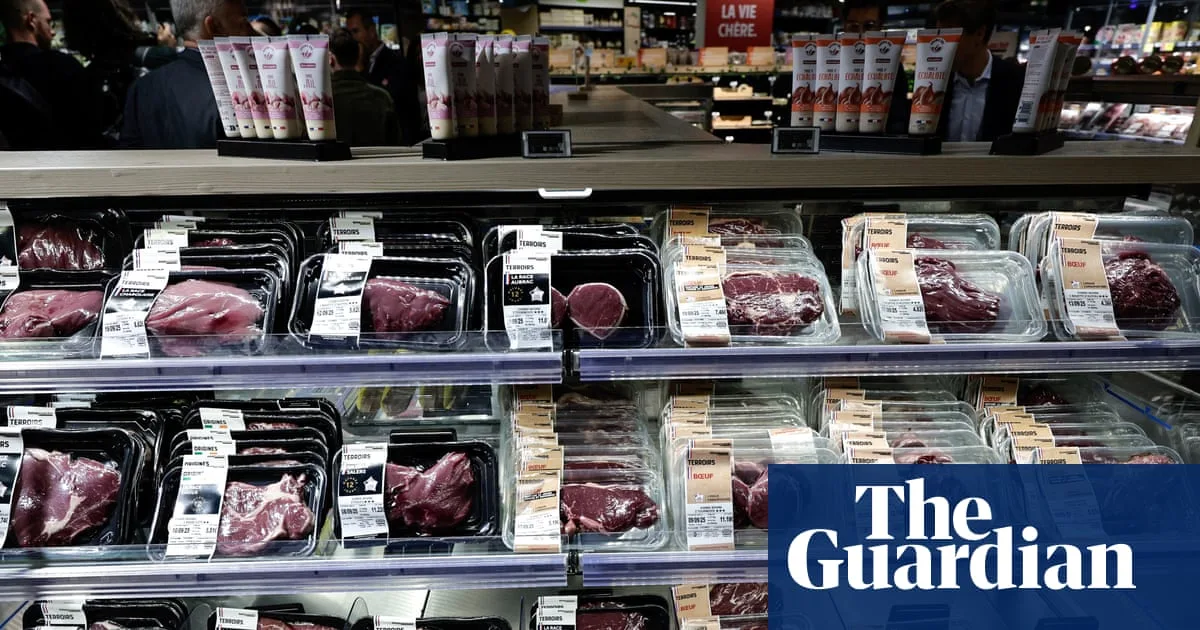
A study by the Potsdam Institute for Climate Impact Research has found that applying full VAT on meat products across the EU could reduce environmental damage by 3% to 6% while costing households as little as €26 a year. The research, published in Nature Food, highlights that animal-based products account for a significant share of the EU's ecological footprint, including nearly a quarter of greenhouse gas emissions and more than half of biodiversity loss.
Currently, 22 of the 27 EU member states apply reduced VAT rates to meat, shielding consumers from the environmental costs. The study examined two policy reforms: full VAT on meat or a carbon price on food. Under the VAT reform, average annual food expenditure per household would rise by €109, but redistributing the tax revenues could reduce the net cost to €26.
The environmental benefits would include cutting greenhouse gas emissions by 29.9 megatons of CO2 equivalent per year, about 5% of the total. The study notes that a carbon price of €52 per tonne on food products could be even cheaper for consumers, at €12 per year, but would require more complex implementation.
Lead author Charlotte Plinke emphasised the need for transparency: “Our numbers show the policies we investigated can be effective, but they also reveal that we do not yet fully price in the environmental impacts of meat.”