The UK State Pension age is currently rising from 66 to 67, with the increase phased in gradually over a two-year period due to complete in 2028. The process began on April 6 this year and affects when people approaching their 66th birthday can claim their State Pension and other pension age benefits.
Monthly increments and financial impact
The age rise is being introduced in monthly increments, meaning older people whose 66th birthday falls within the transitionary period must wait until they are 66 plus a specified number of months before becoming eligible. Some people will be closer to age 67 by the time they can claim the State Pension, and this delay has significant financial implications.
According to financial experts, the cost of delaying access to the State Pension can amount to an estimated loss of more than £14,000. Adding in other pension age benefits like Pension Credit and Attendance Allowance, the cost is even higher.
Benefits linked to State Pension age
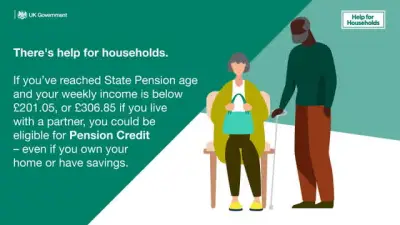
For single pensioners on a low income, Pension Credit can top up weekly income to £238 in the 2026/27 tax year, while Attendance Allowance, awarded to those with disabilities and certain health conditions, is paid at £76.70 or £114.60 per week depending on support needs. Both are linked to State Pension age, so the increase means a longer wait before eligibility.
Des Cooney, Financial Consultant at Axis Financial Consultants, told the Express: “A full new State Pension is worth £11,973 per annum in both 2025 and 2026. However, there is an estimated real cost of delaying this of approximately £2,700, making the total about £14,673, if we add the additional income tax and national insurance the individual will pay while continuing to work beyond their State Pension age. This is a significant amount of money for those who rely on every pound they earn.”
“Individuals whose 66th birthdays fall within the transition phase will be particularly vulnerable because Pension Credit and Attendance Allowance move along with the State Pension age. Delays in claiming Pension Credit can further postpone access to additional support associated with it.”
“Although Attendance Allowance can only commence at the State Pension age and typically requires a six month qualifying period in the majority of circumstances, individuals may therefore need to wait 12 to 18 months after their care requirements arise before receiving any money.”
Planning and recommendations
Financial experts recommend planning for potential gaps in income early, building up extra savings for retirement where possible, and checking eligibility for other benefits not linked to State Pension age, such as Universal Credit.
Clare Moffat, Pension and Tax Expert at Royal London, told the Express: "While future increases to the State Pension age are generally announced well in advance, it's important that people factor these changes into their retirement planning. Building up additional retirement savings where possible, checking eligibility for other benefits that aren't linked to State Pension age, and making sure they're on track to receive their full State Pension can all help improve financial resilience."
"Anyone approaching retirement should also regularly review their State Pension forecast and keep up to date with changes to benefit eligibility rules. Planning ahead won't remove the impact of a later State Pension age, but it can help people avoid unexpected income gaps and make more informed decisions about when they can afford to retire."
The Work and Pensions Committee said last month it is backing calls for the Government to increase Universal Credit for 66-year-olds as the State Pension age rises, suggesting ministers should consult on the change with a view to putting it in place by the end of 2026 as a temporary measure. The committee said there is evidence that the longer wait for the State Pension will “harm” 66-year-olds who are unable to keep working until 67.
In response, the DWP said it will consider the committee’s report and recommendations “in due course”, adding that “a range of options for extra support” is available to those who are yet to reach State Pension age, such as Universal Credit and other means-tested and disability-related benefits.