
A petition calling for the State Pension age to be lowered to 65 has been rejected by the Government, prompting an expert to highlight a practical issue for savers.
The petition, which had been signed by 81,685 people at the time of writing, argued: "Reduce the state pension age to 65. We believe this could mean people can retire with dignity and avoid hardship. We also think it could free up jobs for younger workers entering the labour market. Many aged 65–67 face poor health, caring pressures, and limited work options, which we think is unfair."
Government response
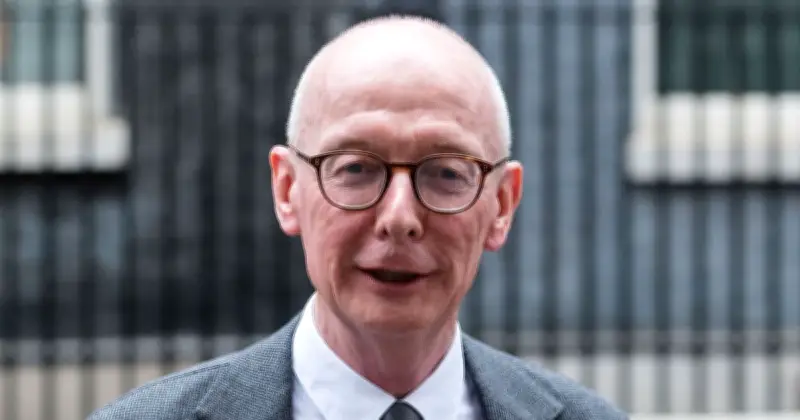
The Department for Work and Pensions (DWP), headed by Pat McFadden, responded on Tuesday, stating: "The Government has no plans to lower the State Pension age. We are fortunate today that more people are reaching older ages: life expectancy has risen rapidly over the past century, driven by breakthroughs in medical treatments and generally healthier lifestyles."
The response continued: "Office for National Statistics life expectancy projections show that in 2026, men aged 66 in the UK can be expected to live on average a further 19.3 years, and women aged 66 a further 21.9 years; by 2046, it is projected that this will have increased by an additional 1.6 years. State Pension age policy takes account of the fact that people are living longer and our society is ageing."
Expert warning
Tim Grimsditch, Managing Director of Unbiased, said the petition's argument that many people aged 65 to 67 face poor health, caring pressures, and limited options to keep working is supported by evidence that healthy life expectancy varies considerably by income and occupation.
He added: "The Government has consistently rejected calls to lower the State Pension age, and the third State Pension age review is currently underway to determine what the age should be in future decades. There’s a difficult balance here: the State Pension is one of the largest items of public spending, and allowing people to claim it earlier would mean paying it to more people for longer. Both sides of this are serious arguments."
Grimsditch noted that the State Pension age is currently rising from 66 to 67, a change that began in April 2026 and completes in March 2028, affecting people born between March 1961 and August 1977. Legislation already exists to take it to 68 after that.
He said: "The practical issue for most people isn’t the State Pension age itself — it’s the gap before it. Private pensions can generally be accessed from 55, rising to 57 in April 2028, while the State Pension now arrives at 67. Someone who stops working at 63 through ill health or caring responsibilities is funding four years entirely from their own provision. That’s the question the petition is really about, and it’s worth planning for regardless of what happens to it."
Planning advice
Grimsditch also pointed out that the State Pension alone was never designed to cover everything. The full new rate is £241.30 a week, or £12,547.60 a year, and what a person actually receives depends on their National Insurance record.
He advised: "Building additional income can mean a workplace or personal pension, where tax relief gives contributions a boost, or savings and investments held outside a pension. One change worth noting if you’re considering a cash ISA: the annual limit for under-65s falls to £12,000 from April 2027."
He added: "If you’re within a decade of stopping work, the useful steps are checking your State Pension forecast, reviewing pensions you’ve accumulated along the way, and working out what income you’ll actually need. Decisions about when to access a pension, how much to draw, and what to keep invested make a substantial difference to how long the money lasts - and that’s where a qualified financial adviser earns their fee. It’s never too early, or too late, to start."




