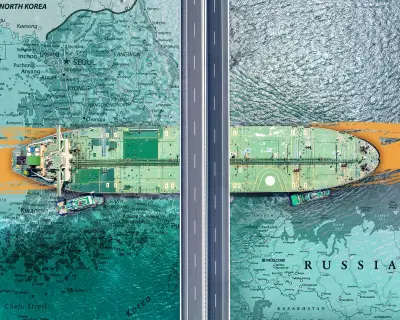
Shell is expected to report “significantly higher” profits from its trading desks in the first quarter of this year after weeks of market volatility triggered by the Iran crisis. The global oil price has climbed from about $61 a barrel in January to highs of $119 at the end of March, owing to major disruptions to flows of oil and gas through the Strait of Hormuz.
The surge in energy commodity markets is expected to drive up trading results at Shell’s chemicals and products unit, which includes its main oil trading desk. In addition, the company’s renewable energy division is expected to report earnings soaring to between $200m and $700m in the first quarter, up from about $100m in the final quarter of last year.
However, Europe’s biggest oil and gas producer warned investors to expect lower gas production for the first quarter due to the impact of the Middle East conflict on its assets in Qatar. Iran retaliated to US-Israeli aggression by launching strikes against key energy infrastructure across the Gulf region in March, including a strike that damaged Shell’s assets at the Ras Laffan liquefied natural gas (LNG) complex in Qatar.
Shell expects its gas production to fall by about 5% to between 880,000 and 920,000 barrels of oil equivalent a day, compared with 948,000 in the fourth quarter. The loss of Qatari production, combined with the impact of Cyclone Narelle on Shell’s Australian production, will be partly offset by the ramp-up of production from its LNG Canada venture.
Oil plunged below $100 a barrel on Wednesday after the US and Iran agreed to a two-week ceasefire, although market prices remain more than 50% higher than last year. Shell’s boss, Wael Sawan, predicted last month that Europe could face a shortage of energy and fuel in April unless the strait reopened, warning that South Asia had already felt the brunt of the crisis.