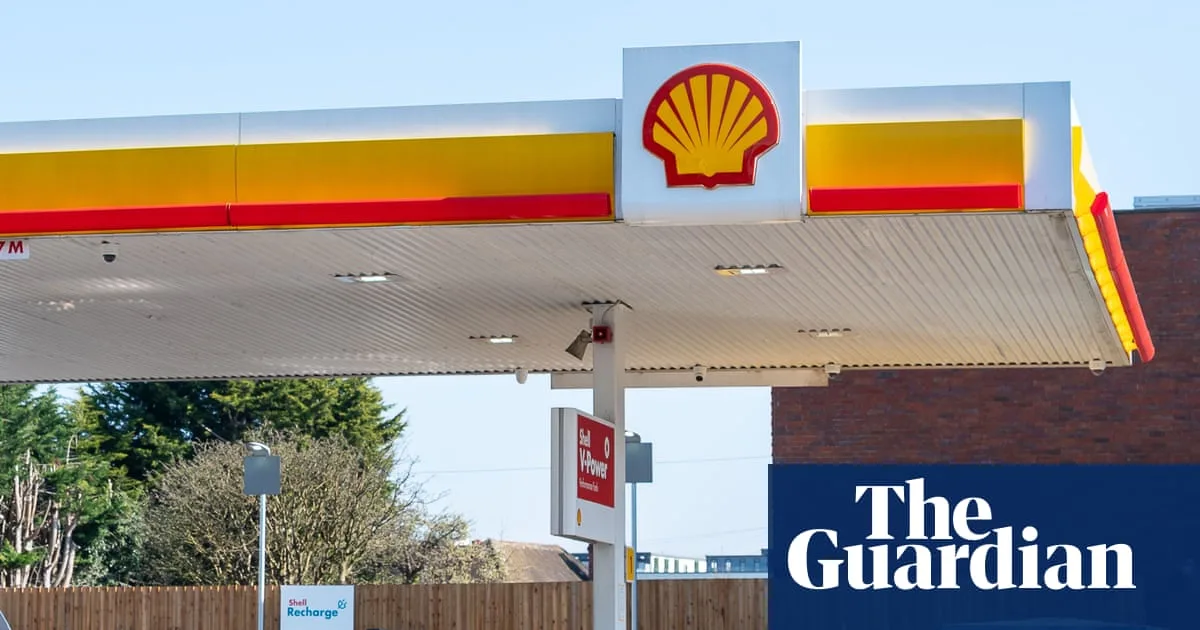
Shell has reported better-than-expected profits of $6.9bn (£5bn) for the first quarter of 2026, a 115% jump from the previous quarter, as soaring energy prices during the war in Iran boosted its oil trading profits. The results surpassed City forecasts of $6.4bn and were 24% higher than the $5.6bn recorded a year earlier.
Chief executive Wael Sawan attributed the profits to a 'relentless focus on operational performance in a quarter marked by unprecedented disruption in global energy markets'. The company also announced a 5% dividend increase for investors, with chief financial officer Sinead Gorman citing 'confidence in the long-term cash flows of the company'.
Climate campaigners condemned the windfall. Broadcaster Chris Packham accused Shell of 'profiting from illegal wars and burning up our one and only home'. Protesters from Fossil Free London gathered outside Shell's headquarters dressed as oil executives, protesting against 'blood money' profits from a conflict that has claimed thousands of lives.
The disruption to oil flows through the Strait of Hormuz pushed crude prices from about $61 a barrel in January to highs of $119 in late March and April. Prices briefly dipped below $100 on hopes of a US-Iran peace deal but remain over 50% higher than last year. BP also reported better-than-expected profits of $3.2bn, more than double the previous year.
Shell's profits were capped by a 4% drop in oil and gas production after a drone attack damaged its Pearl gas plant in Qatar, with repairs expected to take a year. The windfall reignited calls for a stronger windfall tax on fossil fuel profits to support households hit by rising energy costs.
Danny Gross of Friends of the Earth said: 'Fossil fuel giants are pocketing monstrous profits while drivers are squeezed at the pump. The answer is clear: strengthen the windfall tax and break our dependence on fossil fuels by powering our economy with homegrown renewables.' Anne Jellema of 350.org added: 'Governments must tax these excess profits to protect vulnerable households and expand affordable renewable energy.'