Taxpayer Bill for Scunthorpe Steel Furnaces Could Exceed £1.5bn by 2028
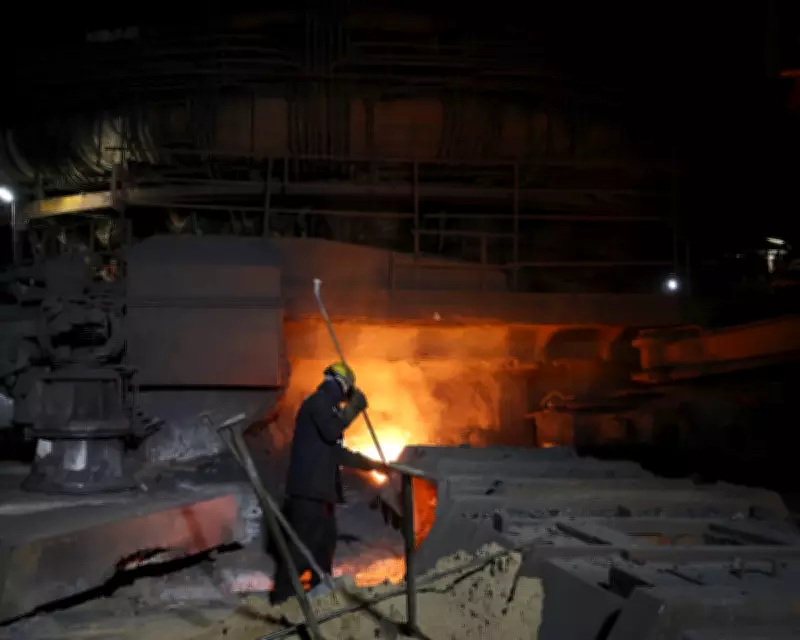
The cost of maintaining the UK's last remaining blast furnaces at British Steel's Scunthorpe plant could surpass £1.5 billion by 2028 if current operational rates persist, according to a report from the National Audit Office (NAO). The government's spending watchdog highlighted that the state rescue has preserved thousands of jobs and critical industrial capabilities, but warned of escalating financial burdens for taxpayers.
High Costs and Government Intervention
In April last year, ministers took the Scunthorpe plant into public control after its Chinese owner, Jingye, threatened to shut down the loss-making site. The NAO's report, released recently, notes that the intervention has already cost £377 million by the end of January this year, including £15 million spent on advisory services. This expenditure is classified as a loan from the Department for Business and Trade (DBT), with no repayment schedule in place, raising concerns about recoverability.
The daily operational cost of the blast furnaces stands at a staggering £1.3 million, contributing to the potential £1.5 billion total by 2028. The NAO emphasized that this estimate does not account for additional liabilities, such as possible compensation to Jingye, costs from any future sale process, or the significant investment required to transition to greener electric arc furnaces.

Benefits and Trade-Offs
Despite the high costs, the NAO acknowledged the benefits of the state rescue. Shutting the plant would have eliminated Britain's primary steel-making ability, as blast furnaces enable steel production from raw materials rather than relying on scrap metal. The intervention also safeguarded thousands of jobs in Scunthorpe and prevented severe disruptions to industries like Network Rail, which sources steel for railway infrastructure from the plant.
However, the report cautioned about financial trade-offs. The government has allocated a £2.5 billion support package for the steel industry, aimed at reducing energy bills and promoting green UK-made steel. Using these funds to support British Steel could impact other spending plans, as noted by the NAO. Gareth Davies, head of the NAO, urged the DBT to learn from this experience to better prepare for future interventions.
Industry and Government Responses
Alasdair McDiarmid, general secretary of the steelworkers' union Community, defended the government's decision, stating that allowing British Steel to collapse would have led to catastrophic financial and social impacts. He argued that the investment was necessary to avoid decimating local economies, compromising national security, and increasing welfare bills long-term.
A government spokesperson reaffirmed commitment to supporting British steel-making, citing regular updates to parliament on spending and ongoing discussions with Jingye to secure a pragmatic, realistic solution for the plant's future. The DBT is also developing a broader strategy proposal for the struggling UK steel industry, as highlighted in the NAO report.
This situation underscores the delicate balance between preserving vital industrial assets and managing taxpayer liabilities in an evolving economic landscape.