Russian Small Businesses Struggle Under New Wartime Tax Reforms
From neighborhood bakeries to urban beauty salons, Russian entrepreneurs are confronting severe financial strain as Moscow implements aggressive new wartime tax policies. As the full-scale invasion of Ukraine reaches its four-year mark, the economic pressures on Russia are becoming increasingly visible across the commercial landscape.
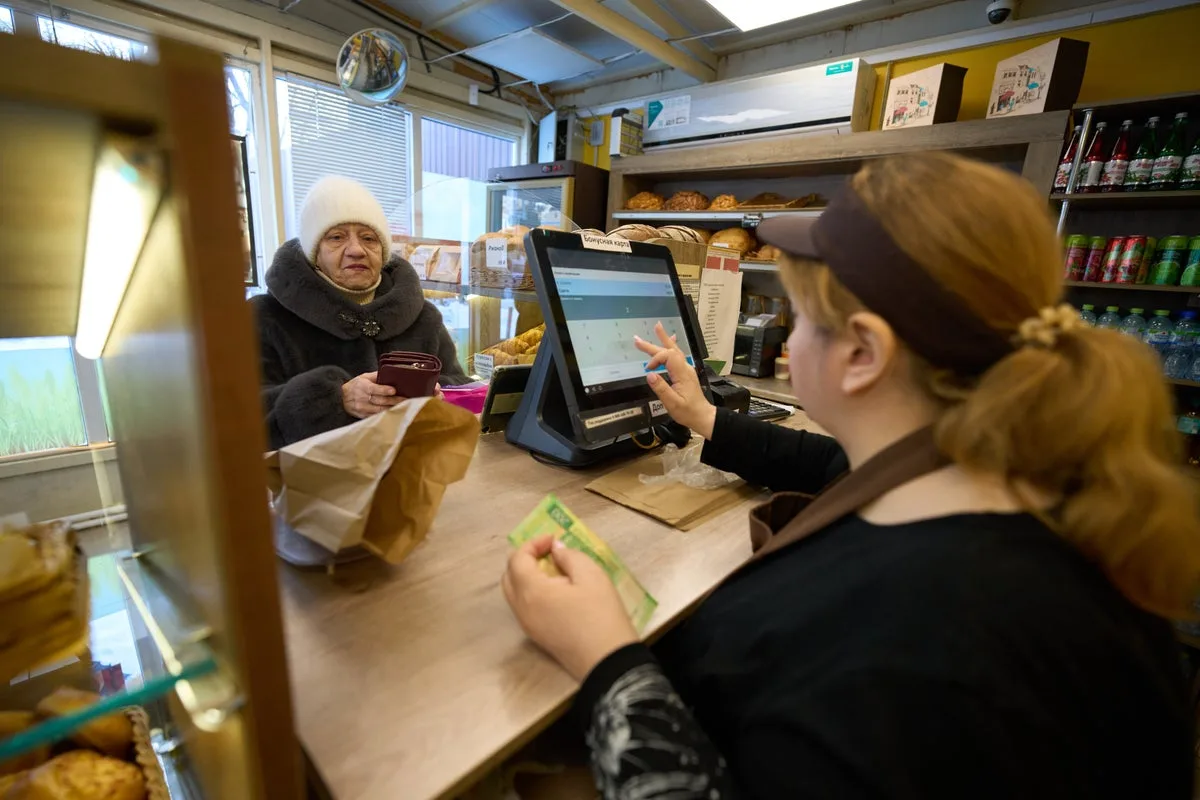
The Bakery That Caught Putin's Attention
Denis Maksimov's suburban Moscow bakery, Mashenka, gained national prominence after he appeared on President Vladimir Putin's annual call-in show in December. Standing before his bakery—named for his eldest daughter—Maksimov pleaded via video for Putin to reconsider tax reforms that have dramatically increased burdens on small enterprises like his.
"We understand very well that it's not an easy situation for the country. We understand that raising taxes is necessary," Maksimov stated during the broadcast. "We're looking ahead without optimism, frankly speaking. Many businesses will close down."
With oil revenues declining, budget deficits rising, and military spending that previously fueled growth now stabilizing, the Kremlin is increasingly turning to consumers and small businesses for funding. Key changes include a 2% increase in value-added tax and significantly lowered revenue thresholds requiring businesses to pay it.
Mounting Economic Fallout
Ordinary Russians are clearly feeling the economic pinch. Business owners interviewed by The Associated Press described:
- A steady decline in consumer demand for goods and services
- Sudden cost increases as suppliers adjust to tax reforms
- Tax burdens that have multiplied by tens of times
Some entrepreneurs have downsized operations to survive, while others have closed entirely. Recent social media videos reveal the stark reality: vacant commercial spaces along St. Petersburg's prestigious Nevsky Prospekt, where shop after shop has gone out of business.
"I've never felt so scared as this year, so unprotected, so anxious," confessed Darya Demchenko, who owns a chain of beauty salons in Russia's second-largest city.
Failed Pleas and Unchanged Policies
Despite Maksimov's high-profile appeal, the tax reforms remain in place. The threshold requiring businesses to pay VAT has been drastically reduced:
- From 60 million rubles ($783,000) in annual sales revenue
- To 20 million rubles ($261,000) this year
- To just 10 million rubles ($130,500) by 2028
Similar reductions apply to the "patent taxation system," where small businesses previously made fixed annual payments rather than percentage-based taxes. This year, businesses exceeding 20 million rubles in revenue must pay at least 6% tax on revenues plus a minimum 5% VAT.
During their televised exchange, Putin acknowledged Maksimov's concerns about "uncontrolled" illegal imports but promised only to examine potential adjustments. While Maksimov's appearance brought temporary attention and customers to his three Moscow-region bakeries—including a boast on his website that Putin "tried our pies"—the fundamental tax challenges remained.
Industry-Wide Consequences
Maksimov's case sparked an outcry among small and medium entrepreneurs nationwide. The "We Are Mashenka" online campaign, initiated by the Association of Beauty Industry Enterprises, highlighted how most business owners lack Maksimov's access to presidential attention.
Demchenko, who supported the campaign, revealed she had to close one of her four beauty salons and sell another to survive. "This year, we haven't felt any support at all. We feel like they want to shut us down," she lamented, noting that her costs have spiked 30% while demand has declined for months.
Lyalya Sadykova, president of the beauty industry association, reported that approximately 10% of St. Petersburg beauty businesses closed during December and January, with another 10% selling their companies. She anticipates more closures when tax payments come due in April.
"People will do the math. The first deadline for taxes is in April, and people will see that they have nothing to pay with, and that's when the collapse will begin," Sadykova warned.
Broader Economic Implications
Chris Weafer, CEO of Macro-Advisory Ltd. Consultancy, notes that while small and medium enterprises account for just over 20% of Russia's economy, their contribution remains significant. Extending VAT to these businesses provides "a meaningful amount" of revenue for the state budget at a time when oil income has decreased and deficits have grown.
"It is a deliberate strategy by the Finance Ministry to create more stable, predictable sources of income," Weafer explained, adding that small businesses have faced pressure since 2014 sanctions over Crimea's annexation, with most government support directed toward larger corporations.
The new tax regulations compound existing pressures and, while unlikely to wreck the economy entirely, will impede growth when the war eventually concludes. "The one engine of expansion and growth and innovation that you need in an economy is the sector that has suffered most in the last four years and is continuing to suffer today," Weafer concluded.
As Russia's wartime economy continues to evolve, small business owners face an uncertain future, balancing survival against increasingly burdensome fiscal demands in a challenging economic climate.