Chancellor Rachel Reeves has warned that the economic fallout from the Iran war will continue even after a ceasefire, as she joined international counterparts in a joint statement urging a coordinated response. The statement, issued with finance ministers from Ireland, Australia, Japan, Sweden, the Netherlands, Finland, Spain, Norway, Poland and New Zealand, cautioned against knee-jerk reactions to the cost-of-living crisis triggered by the conflict.
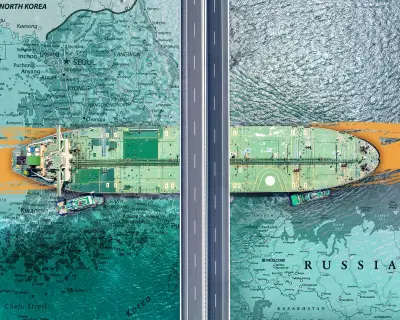
“We are committed to managing the economic response to and recovery from this crisis in a co-ordinated, responsible and responsive way,” the ministers said. They noted that US-Israeli strikes and Iran’s retaliation had caused “unacceptable loss of life and significant disruption to the global economy and financial markets” and welcomed the ceasefire. The statement called for a swift negotiated resolution and a return to safe transit through the Strait of Hormuz to mitigate impacts on growth, energy prices and living standards.
However, the ministers warned that any further escalation would pose “serious additional risks to global energy security, supply chains, and economic and financial stability”. They added: “Even with a durable resolution of the conflict, impacts on growth, inflation and markets will persist.” Reeves, in Washington for the IMF spring meetings, emphasised that a sustained ceasefire and avoiding knee-jerk responses were key to limiting costs for households. She urged a coordinated response focused on stability, including safe passage for energy supplies through the Strait of Hormuz.
Household energy bills are forecast to rise later this year due to higher global oil and gas prices, while motorists face increased costs at the pump. Reeves has signalled that any energy bill help will target the poorest households, rather than a universal bailout. She is under pressure to scrap planned fuel duty increases set for September. The IMF slashed its UK GDP forecast for 2026 to 0.8%, down from 1.3%, the largest downgrade among G7 economies.
Reeves’ comments put her at odds with US Treasury Secretary Scott Bessent, who said “a small bit of economic pain” from the war was worth preventing Iran from obtaining a nuclear weapon. Reeves has publicly expressed anger at the “folly” of US actions in the Middle East. Meanwhile, US President Donald Trump claimed a second round of talks with Iran could happen soon, despite the collapse of weekend negotiations. Diplomats continue to work behind the scenes as a shaky ceasefire holds.