

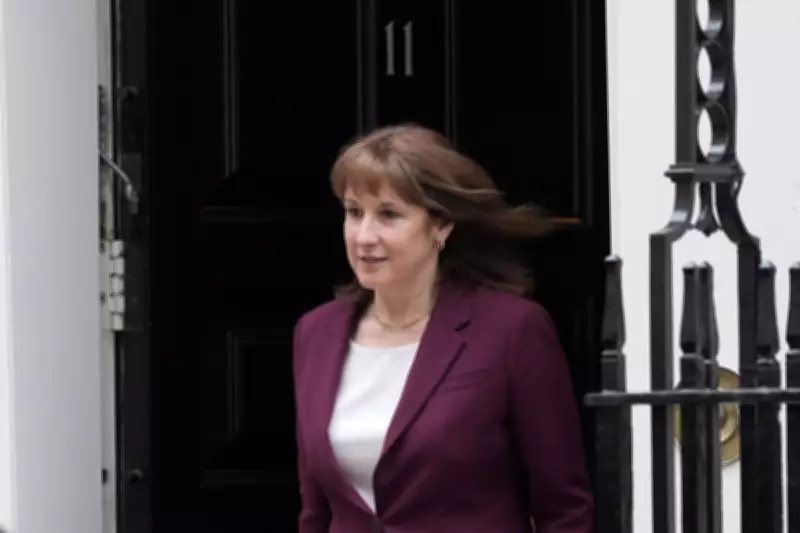
Chancellor Reeves Warns of Significant Economic Fallout from Iran War
Chancellor Rachel Reeves has issued a stark warning to MPs, stating that the economic challenges stemming from the Iran war may be "significant." The ongoing crisis in the Middle East has already driven up oil and gas prices, impacting motorists at the pumps and threatening to increase domestic energy bills later this year.
Contingency Planning for Energy Bill Support
Ms Reeves confirmed that contingency planning is actively underway to provide targeted help for households when the current energy price cap expires at the end of June. She emphasized that global price surges could push up domestic bills, necessitating a responsive approach.
In her address to MPs, the Chancellor stated: "Contingency planning is taking place for every eventuality so that we can keep costs down for everyone and provide support for those who need it most, acting within our iron-clad fiscal rules to keep inflation and interest rates as low as possible."

She added: "This is not a war that we started, nor is it a war that we joined… but it is a war that will have an impact on our country. The challenges may be significant but I promise to do what is right and fair, being responsive in a changing world and responsible in the national interest."
Targeted Support Over Blanket Measures
Ms Reeves indicated a preference for targeted support rather than the blanket approach to energy bill assistance implemented by former Prime Minister Liz Truss during the Ukraine crisis. She criticized that previous strategy, noting it "gave the support to the most wealthiest of households" and "left us with high levels of national debt, a cheque written then for a bill that is still being paid today."
The Chancellor plans to meet with supermarkets and banks later this week to discuss potential customer assistance measures. Additionally, the Competition and Markets Authority is being granted new powers to clamp down on price gouging through an anti-profiteering framework.
Rising Fuel Prices and Economic Impact
The economic toll is already evident in fuel prices. According to recent figures, the average pump price for a litre of unleaded petrol in the UK reached 144.2p on Monday, marking a 3.9p increase week-on-week and a 12.0p jump since March 2, shortly after the crisis began. This represents the highest price for unleaded petrol since July 2024.
Diesel prices have also surged, with the average litre costing 166.9p on Monday, up 8.1p week-on-week and 24.7p since March 2, the highest since March 2023. The RAC Foundation reported that UK motorists have already paid £307 million more for fuel than if prices had remained at pre-crisis levels before the US-Israeli attack on Iran on February 28.
To combat this, Ms Reeves highlighted the Fuel Finder app as a tool to help motorists avoid "rip off prices" by comparing petrol station rates.
Energy Security and Political Responses
The Chancellor underscored the need for improved UK energy security to shield against global market turmoil. She promised legislation to implement the Fingleton Review, aiming to speed up the nuclear power planning process by 2027. The government is also encouraging investment in North Sea oil and gas tiebacks—satellite wells to exploit existing fields.
In response, Tory leader Kemi Badenoch argued that scrapping taxes on energy bills would be "much better" than targeted support. With fuel duty set to rise in September, she stated: "It's completely crazy to be increasing fuel duty at this time, and let's drill our own oil and gas in the North Sea." She further criticized the government for lack of preparedness, claiming: "Keir Starmer has been caught with his pants down, not being prepared, not knowing what's coming, not having any answers except sticking his head in the sand."
Defence Updates and Regional Stability
At Tuesday's Cabinet meeting, Defence Secretary John Healey informed ministers that the UK had defended allies in Israel, Saudi Arabia, Kuwait, Bahrain, and Jordan from overnight attacks. A counter-drone team also brought down 13 drones during an assault on a joint base in Iraq, according to No 10.

As the situation evolves, the government faces mounting pressure to balance fiscal responsibility with necessary economic interventions, ensuring stability for households and businesses alike amidst global uncertainties.





