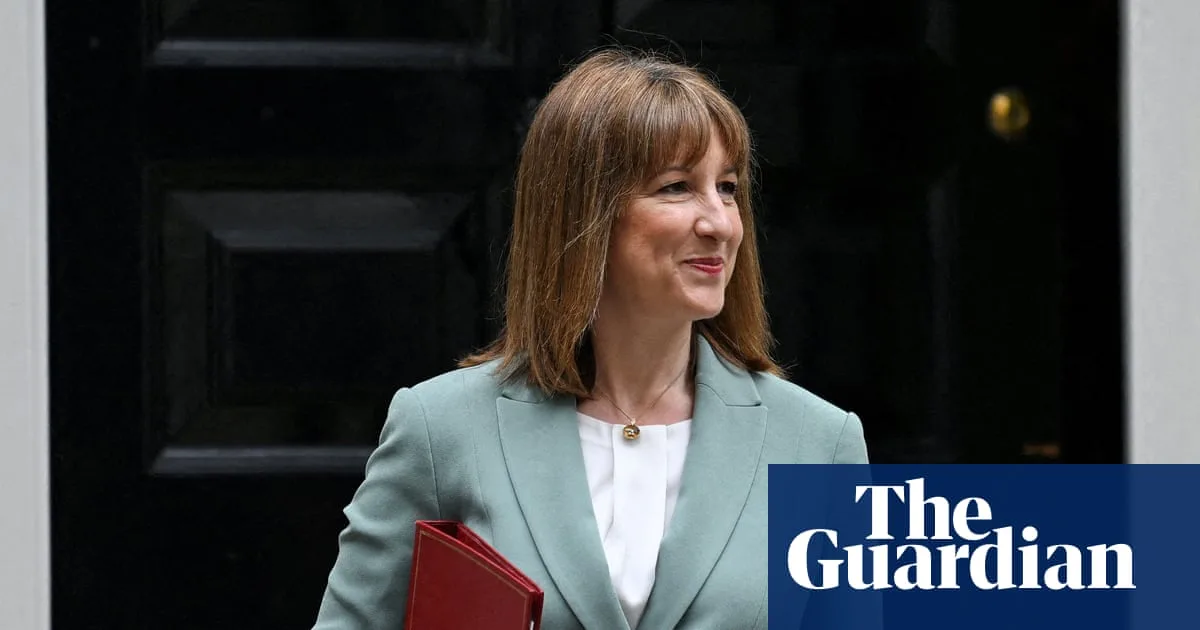
Chancellor Rachel Reeves has declared that Britain can overcome gloomy economic forecasts, as the fiscal watchdog's productivity downgrade is expected to leave a £20bn gap in her upcoming budget. Writing in the Guardian, Reeves said she is determined not to simply accept the predictions but to defy them, despite the likelihood of breaking a key Labour manifesto pledge not to raise income tax.
The Office for Budget Responsibility (OBR) is expected to cut its productivity estimates by 0.3 percentage points, creating a tougher economic backdrop. The Institute for Fiscal Studies notes that each 0.1 point cut adds £7bn to public sector net borrowing by 2029-30, meaning a 0.3 point reduction could create a £21bn hit. Reeves faces one of the most difficult budgets in recent years, having to account for reversing the winter fuel cut, abandoning welfare payment cuts, and potentially ending the two-child benefit cap.
However, the Treasury is hopeful that the OBR may factor in lower borrowing costs, marginally higher growth, and positively score policies like planning reforms and trade deals to reduce the final fiscal gap. Reeves criticised the previous Conservative government for weak productivity, citing austerity, a chaotic Brexit, and the pandemic as deep scars on the economy. She rejected claims from Reform UK and the Tories that the economy is broken, insisting Britain's foundations remain strong with five interest rate cuts, wages growing faster than inflation, and investment in public services.
Reeves ruled out a return to austerity but acknowledged steep challenges, including the cost of living bearing down on family budgets. Some Treasury and No 10 advisers believe raising income tax, focusing on the wealthy, may be the only way to ensure sufficient revenue without harming growth.