Rachel Reeves Announces Fuel Price Update and Economic Contingency Plans
Chancellor Rachel Reeves has committed to providing an update on fuel pricing within the next month, as part of broader efforts to mitigate the economic impacts of the Iran war on UK consumers. In a statement to MPs on Tuesday, Reeves outlined the government's contingency planning for challenging months ahead, though she stopped short of announcing immediate specific support measures.
Targeted Support Over Universal Subsidies
Reeves made it clear that the government will not repeat the across-the-board energy bill subsidies introduced by Liz Truss in autumn 2022, which cost the Treasury approximately £40 billion and benefited high-earning households. Instead, she emphasized a more targeted approach, working with the Department for Work and Pensions and local authorities to assemble data for supporting poorer households at a lower taxpayer cost. Thinktanks like the Resolution Foundation have long advocated for this complex task.
Energy bills are expected to fall from April due to measures from Reeves' autumn budget, such as shifting green costs to general taxation, but are forecast to rise to nearly £2,000 in July with the next price cap. Reeves hinted that any support may not take effect until autumn, noting most household energy spending occurs in winter.

Cracking Down on Price Gouging
The government has warned against companies exploiting the crisis to raise profit margins, with Reeves stating she will ensure the Competition and Markets Authority has the necessary powers to prevent profiteering. She plans to meet with supermarket and bank bosses this week to encourage consumer-friendly practices, despite earlier tensions with petrol retailers over what they called "inflammatory language."
Fuel Duty and EU Negotiations
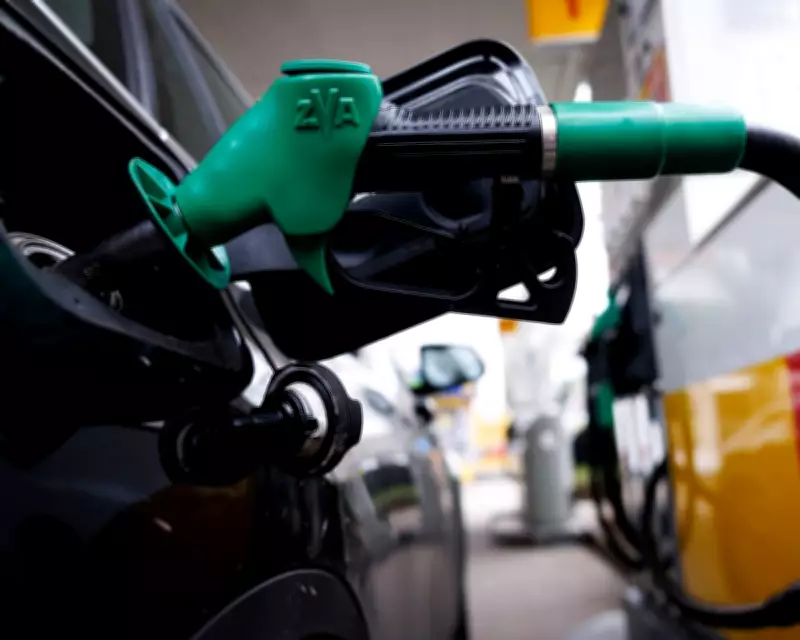
Opposition parties have campaigned for Reeves to cancel planned fuel duty rises, including a 1p per litre increase in September and further hikes in December and March. While Reeves made no commitment to cancel these, she promised a fuel pricing update soon. Additionally, she highlighted that a sanitary and phytosanitary (SPS) deal with the EU, aimed at reducing veterinary checks on exports, could lower food prices, with negotiations hoped to conclude by year-end.
Accelerating Energy Projects
Reeves and Energy Secretary Ed Miliband stressed that the Iran war reinforces the need for a clean energy transition. The government will legislate to implement the Fingleton review's findings to speed up nuclear power station construction and cut costs, and change planning rules to allow critical energy projects to proceed despite legal challenges. However, these measures will not provide immediate relief for consumers facing rising bills.