

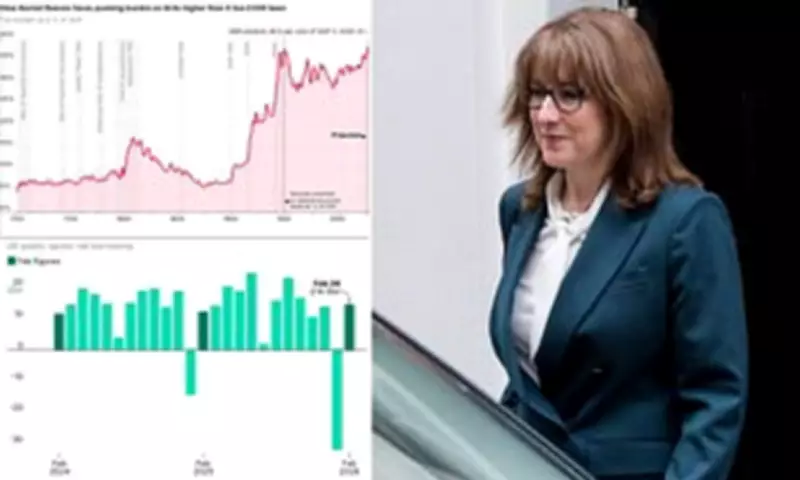
Chancellor Rachel Reeves has declared she is actively assisting 'working people' during the ongoing energy crisis, as her Treasury prepares to implement targeted subsidies for millions of benefits claimants. This move comes amidst escalating tensions in the Middle East, which have further strained household budgets across the nation.
Targeted Support Amid Fiscal Constraints
In a clear departure from previous policies, Ms Reeves emphasised that any government bailout in response to the Middle East turmoil would be precisely targeted. She firmly stated that the Treasury cannot afford to provide support to the 'wealthy', highlighting the need for fiscal responsibility. However, due to limitations in targeting specific income levels, the support is anticipated to reach approximately six million individuals receiving benefits such as universal credit and pension credit.
This targeted approach has ignited significant controversy, with many expressing anger that middle-income households will bear additional financial pain. The tax burden is already projected to reach a record high, exacerbating concerns about economic fairness. Labour MPs have successfully pressured the government to abandon efforts to control the rapidly increasing welfare bill, adding another layer of complexity to the fiscal landscape.

Inflation and Economic Strategy
Responding to recent inflation figures, which showed a rate of 3 per cent even before the conflict in Iran began, Ms Reeves outlined her economic plan. "In an uncertain world we have the right economic plan, taking a responsive and responsible approach to supporting working people in the national interest," she asserted.
The Chancellor detailed specific measures, including a £150 reduction on energy bills and targeted assistance for those facing higher heating oil costs. She also pledged to protect consumers from unfair price hikes, lower food prices at checkout counters, and reduce bureaucratic hurdles to enhance long-term energy security. "We're building a stronger, more secure economy," Ms Reeves added.
Criticism and Political Fallout
During a Commons statement, Ms Reeves criticised the previous Conservative government's universal energy bill support in 2022, labelling it a 'mistake' because a substantial portion of the £40 billion expenditure benefited the 'wealthiest'. She reiterated her commitment to directing funds toward 'those that need it most'.
However, this stance has drawn sharp rebuke from political opponents. Kemi Badenoch accused Ms Reeves of imposing 'eye-watering' tax levels that primarily fund benefits claimants. The Conservatives also highlighted that Keir Starmer previously endorsed the universal support package four years ago, pointing to perceived inconsistencies in Labour's policy approach.
"What we see with targeted support is taxes on other people to pay for support to others. This is Labour's playbook. They keep raising taxes on everyone else to give benefits," Ms Badenoch remarked. She proposed an alternative solution: scrapping green taxes on household energy bills, which were initially implemented by Ed Miliband.
Expanding Support Mechanisms
Currently, around six million families receive a £150 reduction on their energy bills through the Warm Home Discount scheme, which was expanded last year. This programme is financed by a levy on other consumers' bills, averaging approximately £40 annually. The Treasury is considering further expansion of this scheme as part of its winter energy support plans.
Another option under review is a subsidised 'social tariff', advocated by the Resolution Foundation. This proposal would require an estimated £4 billion in annual taxpayer support. It is important to note that many individuals on universal credit are employed but rely on these top-ups to supplement their incomes.
Soaring Costs and Economic Pressure
The economic backdrop remains grim, with analysts from Cornwall Insight forecasting a potential £332 increase in the energy price cap this summer. Simultaneously, fuel prices have surged dramatically. The RAC reported that the average pump price for diesel reached 173.83p per litre, marking a 3p rise since Monday and a staggering 31.5p increase since Donald Trump initiated the war on Iran.

Petrol prices have also climbed, rising by 15.7p to 148.55p per litre over the same period. The motoring firm warned that diesel could hit 180p per litre by next week, pushing the cost of filling a family car close to £100. At 150p per litre, petrol would leave consumers paying £82.50 per tank.
Adding to the financial strain, the Institute for Grocery predicts that food inflation could soar to 8 per cent by summer. If sustained for a year, this increase could add nearly £500 to the average household's grocery bill, placing immense pressure on family budgets already stretched thin by rising energy and fuel costs.
Ms Reeves has downplayed the possibility of increasing government borrowing to fund any bailout, insisting she will not violate her 'ironclad' fiscal rules. This stance has raised concerns that taxes may need to be raised further on the broader population to cover the costs of targeted support, setting the stage for continued political and economic debate as the crisis unfolds.





