

Rachel Reeves' Spring Forecast: Household Finances Under Threat from Global Crises
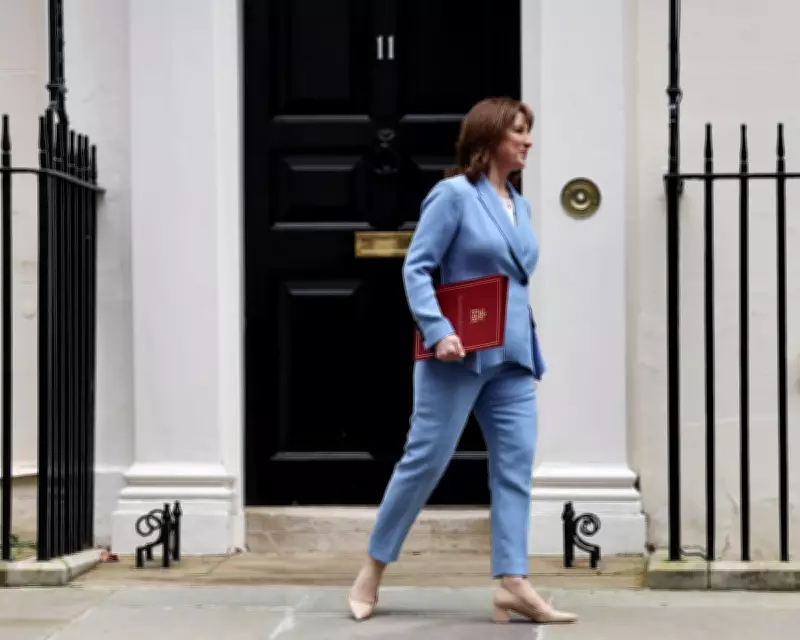
Chancellor Rachel Reeves used her spring statement to assert that her economic policies are yielding positive results, offering a brighter outlook for household finances following the severe cost of living crisis. She confidently declared that by the time of the next general election, individuals would be "over £1,000 a year better off." However, this optimistic projection is now facing significant challenges due to escalating global events, particularly the conflict in the Middle East, which financial experts warn may have already outdated the newly published economic forecasts.
'Over £1,000 a Year Better Off by the Next Election'
This compelling headline stems from a straightforward mathematical comparison: the average disposable income during the final year of the Conservative government was £25,600, while the projection for the end of the current parliament stands at £26,685, resulting in a difference of £1,085. Known officially as "real household disposable income," this figure represents the money remaining for spending after taxes, adjusted for inflation.
The Office for Budget Responsibility (OBR), the government's independent forecaster, predicts that disposable income will grow by a modest 0.6% to 0.9% annually between 2026 and 2030. This growth rate is relatively subdued compared to historical trends. A key factor contributing to this sluggish progress is the decision to freeze income tax thresholds until the 2030-31 tax year, leading to "fiscal drag"—where pay increases push individuals into higher tax brackets.

Initially, the OBR forecasted that inflation would remain at or near the target level of 2% over the next five years. After peaking above 11% during the cost of living crisis, the gradual decline in price rises had fueled expectations for further interest rate reductions. However, the recent Iran crisis has triggered a surge in energy prices, raising concerns about another potential spike in living costs.
What About My Mortgage?
Reeves highlighted that recent interest rate cuts could save someone taking out a two-year fixed mortgage approximately £1,300 annually on repayments. This calculation compares interest rates from June 2024 (4.97%) and January 2026 (4.07%) for a £215,000 loan over 29 years. While the independent Bank of England sets rates, not the government, hopes were high for continued reductions in borrowing costs this year.
The central bank has implemented six interest rate cuts since the July 2024 general election, lowering the base rate to 3.75%. Markets previously estimated an 80% probability of another cut in March, but the Middle East conflict has introduced uncertainty, reducing those odds to about 30%. Currently, mortgage rates have stabilized, with averages at 4.83% for two-year fixes and 4.95% for five-year deals, both lower than the over 5% rates seen a year ago.
The OBR expects average mortgage interest rates to rise from 4.1% this year to 4.5% between 2027 and 2030, a slight downward revision from its November forecast. However, these projections were made before the outbreak of war. Additionally, the forecaster predicts annual house price increases of 2.4% to 2.9% through 2030.
And Energy Bills?
The government has committed to reducing the average household energy bill by £150 this year. Recently, Ofgem announced a 7% drop in the price cap from April, lowering it to £1,641 annually for typical dual-fuel households, partly due to the removal of green levies. Analysts had anticipated energy costs remaining around this level, but the Iran-linked surge in oil and gas prices has disrupted these expectations.
Analysts at Stifel warned that sustained increases in wholesale gas prices could push the price cap to nearly £2,500 by July. Cornwall Insight noted that prolonged supply uncertainties might lead to higher prices next winter, though immediate system stress is not expected. Craig Lowrey, principal consultant at Cornwall Insight, emphasized that the UK's reliance on global gas markets means international price movements directly affect domestic bills. While the April to June price is fixed, long-term impacts depend on the duration of elevated gas prices and market volatility.

What About Other Household Costs?
The spring statement coincides with upcoming increases in other essential bills. In April, water charges in England and Wales will rise by an average of £33 annually (5.4%), and council tax hikes are also scheduled. The Middle East conflict could further drive up petrol prices; the RAC reports that forecourt prices are already increasing, with petrol likely to reach an average of 134p per litre soon. If oil prices climb to $80 per barrel, petrol could average 136p, with potential rises to over 140p at $90 and near 150p at $100, though these projections remain uncertain.
Is My Job Secure?
The OBR has downgraded its economic growth forecast for this year from 1.4% to 1.1%. It also predicts that the unemployment rate, already near a five-year high, will peak at 5.3% this year, up from a previous estimate of 4.9%. This increase is attributed to new labour force entrants struggling to find employment amid weak hiring demand.
Dan Coatsworth, head of markets at AJ Bell, described the UK economy as "stuck in the mud," noting that while upgraded growth forecasts for 2027 and 2028 offer some hope, businesses and consumers face immediate challenges. He warned that sustained oil price spikes could drive inflation higher, potentially forcing the Bank of England to pause further interest rate cuts. The OBR identifies Middle East conflicts and global trade policies as key risks to its forecasts, highlighting significant uncertainties for Reeves' economic plans.





