

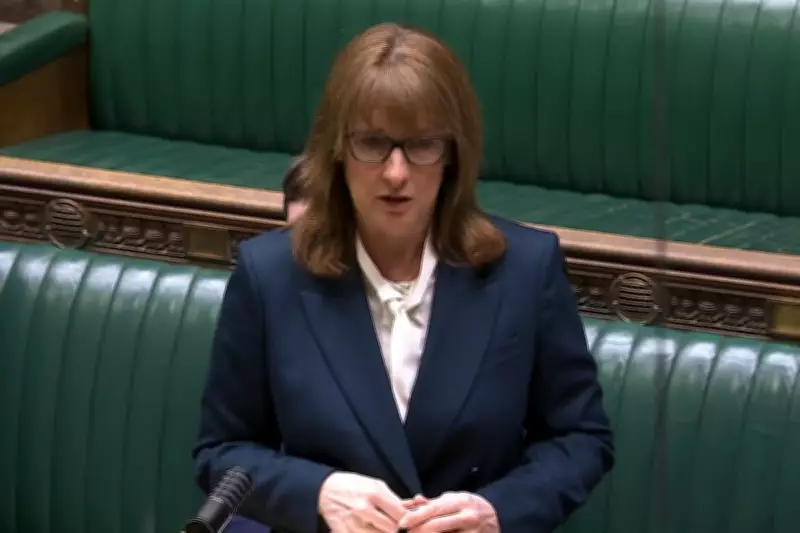
Chancellor Rachel Reeves has issued a stark warning about the potential economic fallout from the ongoing conflict in Iran, describing the situation as 'certainly not good' for the UK economy. In a statement on Tuesday 24 March 2026, she emphasised that the challenges could be 'significant' and revealed that contingency planning is actively underway to address the impacts.
Rising Energy Costs and Household Support
The Middle East crisis has led to a sharp increase in oil and gas prices, which has directly affected UK consumers. Petrol and diesel costs have surged, with unleaded fuel reaching its highest price since July 2024. This spike is putting additional financial pressure on households already grappling with high living expenses.
Ms Reeves confirmed that the government is preparing targeted support for energy bills when the current price cap expires in June. This marks a shift from previous blanket subsidies, aiming to provide more focused assistance to those most in need. She plans to engage with supermarkets and banks to coordinate efforts and ensure effective implementation.

Government Measures and Opposition Criticism
To combat profiteering and enhance market fairness, the government is empowering the Competition and Markets Authority with new anti-profiteering powers. Additionally, there is a strong focus on boosting UK energy security through investments in nuclear power and North Sea oil and gas production.
However, the approach has faced criticism from political opponents. Kemi Badenoch has voiced concerns, advocating for alternative strategies such as scrapping energy bill taxes and increasing domestic oil and gas production. She has also questioned the government's preparedness for handling the crisis effectively, highlighting ongoing debates over energy policy.
As the situation evolves, the government continues to monitor economic indicators and adjust plans accordingly, with a commitment to mitigating the broader impacts on the UK economy.






