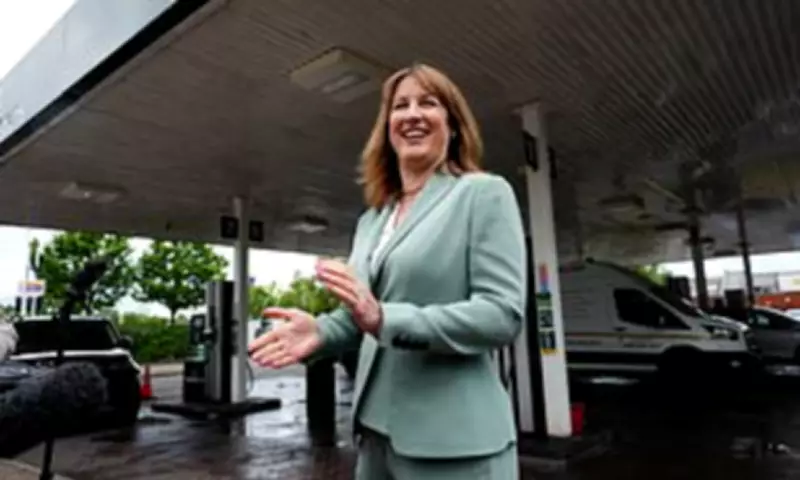
Chancellor Rachel Reeves has stepped back from plans to impose price caps on essential shopping items following a furious backlash from supermarkets, the Bank of England, and political opponents. The proposal, which would have targeted staples such as eggs, bread, and milk, was described as 'completely preposterous' by retail leaders and 'Soviet' by Conservative Party leader Kemi Badenoch.
Government U-Turn
Treasury Chief Secretary Lucy Rigby confirmed in media interviews that mandatory price caps are off the table. 'I'm happy to be able to tell you we're not introducing mandatory price caps,' she said. However, she acknowledged that discussions between the Chancellor and supermarkets have taken place, as with other industries, to explore ways to ease cost-of-living pressures.
Reaction from Critics
The about-face came after Bank of England Governor Andrew Bailey told MPs that price caps are 'not sustainable' in the long run. M&S Chief Executive Stuart Machin labelled the idea 'completely preposterous', urging the government to instead reduce tax and regulatory burdens on businesses. Former Sainsbury's boss Justin King emphasised that competition, not government intervention, keeps prices honest. Louise Hellem, chief economist at the CBI, noted that retailers are already competing fiercely to keep prices low.

Alternative Measures
Instead of price caps, Ms Reeves will announce a series of measures in a Commons statement, including tariff cuts on over 100 product types, expected to save consumers more than £150 million annually. She will also unveil a 'Great British Summer Savings' initiative, offering free bus travel for children in England during August school holidays. However, immediate help with rising energy bills is not anticipated, as the household energy price cap is predicted to rise by £209 per year from July due to global oil and gas price increases linked to the Strait of Hormuz closure.
Inflation Context
The policy shift occurred against a backdrop of better-than-expected inflation data, which fell from 3.3% in March to 2.8% in April. Food inflation is also declining, with retailers taking responsibility to minimise price pass-through to customers, according to Mr Machin.