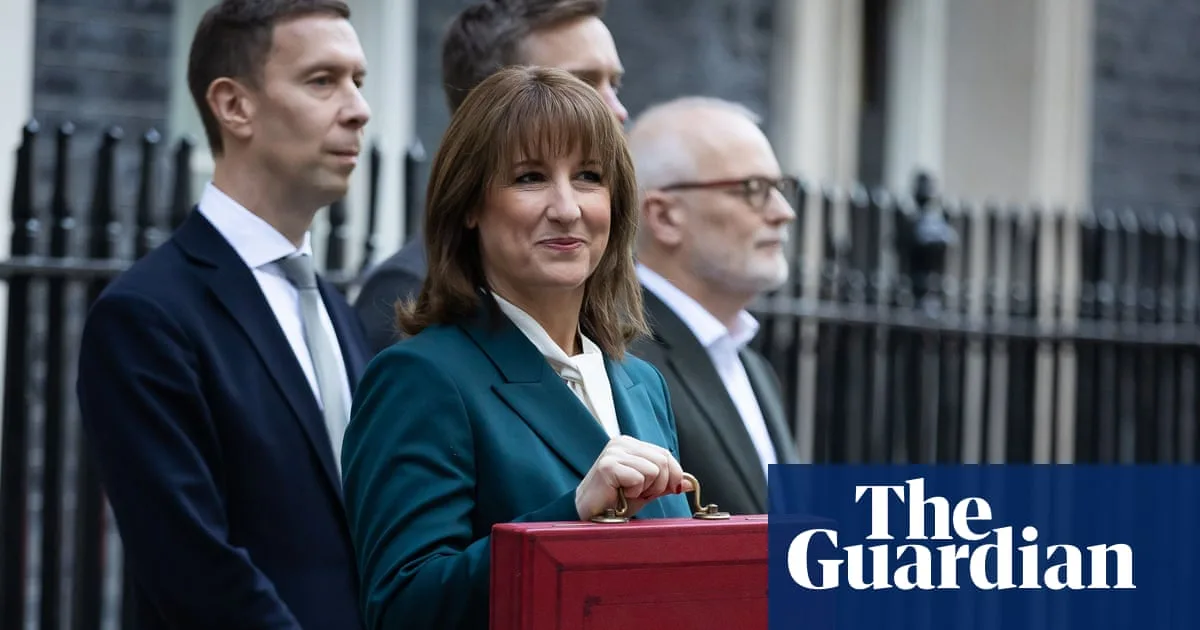
Chancellor Rachel Reeves has announced a £26bn tax-raising budget that targets Britain’s wealthiest households to fund the scrapping of the two-child benefit cap and cuts to energy bills. The measures push the tax take to an all-time high of 38% of GDP in five years, making Reeves the biggest tax-raising chancellor in decades.
Over 1.7 million workers will be dragged into paying tax or pushed into higher bands due to a three-year freeze on income tax and national insurance thresholds. Reeves acknowledged the freeze would hit “working people” but said it would raise £12.4bn by 2030-31. The Office for Budget Responsibility (OBR) said the freeze would bring an additional 780,000 people into the basic rate, 920,000 into the higher rate, and 4,000 into the additional rate.
To target the wealthy, Reeves introduced a new council tax surcharge for properties worth over £2m and a 2p tax increase on dividends, savings, and property income. Contributions to pension schemes via salary sacrifice will be capped at £2,000 from 2029, raising £4.7bn a year. The OBR said the tax squeeze would hit living standards, with real disposable household income rising just 0.25% a year over the forecast period.
Some Labour MPs expressed alarm that the budget would hit the “squeezed middle,” with almost one in four taxpayers paying higher or additional rates in five years. However, others praised the decision to spend £3bn a year on scrapping the two-child benefit limit, which the government says will lift 450,000 children out of poverty. Reeves told journalists she did not believe she had broken the Labour manifesto with the threshold freeze.
Financial markets responded positively, with yields on 10-year government bonds falling by 0.07 percentage points to 4.41%, lowering borrowing costs. The chancellor more than doubled the fiscal buffer to £21.7bn. Labour MPs and ministers described the budget as a shift leftwards, but some said the OBR’s forecast showed the economy’s fundamental weakness remained.