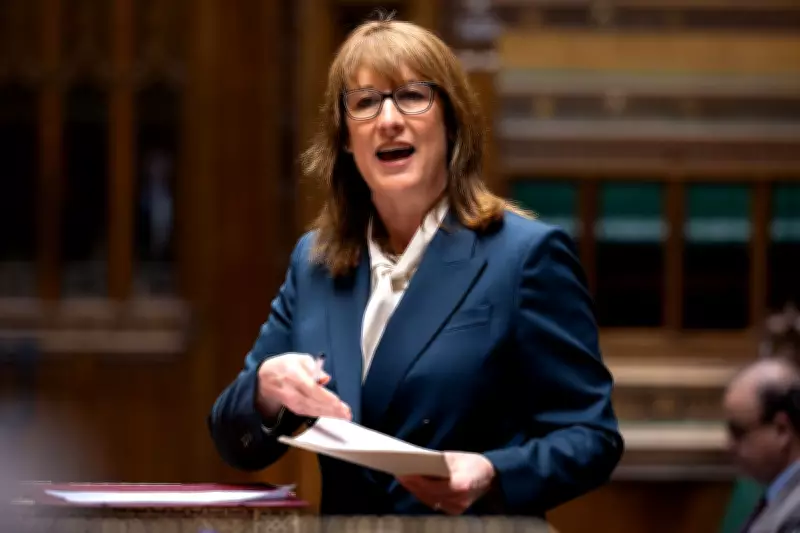
Chancellor Rachel Reeves has declared that living costs for the majority of Britons are set to decrease this week, attributing the relief to government interventions. In a statement addressing the economic fallout from the ongoing conflict in the Middle East, Reeves emphasised that the administration will prevent companies from unfairly hiking prices during this turbulent period.
Economic Challenges from the Iran War
Reeves warned of 'significant' economic challenges stemming from the war in Iran, noting that many families across the UK are closely scrutinising their bills and budgets. She clarified that while the UK did not initiate or join the conflict, global disruptions—such as closed shipping lanes and attacks on energy infrastructure in the Gulf—are impacting the nation's economy.
Government Measures to Reduce Costs
The chancellor outlined several key measures designed to alleviate financial pressures on working people. This week, households will see an average reduction of £117 on energy bills. Additionally, the state pension will increase by up to £575 this year, and commuter train fares will remain frozen for the first time in three decades.

Millions of workers will benefit from a rise in the National Living Wage, providing more disposable income to spend within local communities. Reeves stressed that the government is adopting a responsible approach, supporting Gulf partners while safeguarding public finances.
Protecting Consumers from Price Gouging
Reeves vowed to ensure that Britons are not overcharged by companies attempting to exploit the war situation. The government has allocated over £50 million to assist vulnerable households with rising heating oil costs and is engaging with petrol retailers to justify pump prices and prevent motorist overcharging.
In a move to support drivers, the chancellor has frozen fuel duty and introduced the Fuel Finder tool, enabling motorists to locate the cheapest local fuel options. The administration is also considering new time-limited powers to tackle price gouging if necessary, aiming to maintain competitive markets and protect consumers.
Long-Term Economic Strategy
Despite facing persistent global headwinds, Reeves promised to act in the national interest, emphasising responsiveness and responsibility in policymaking. She criticised previous government plans to increase fuel duty post-election, contrasting it with her administration's proactive measures.
Reeves concluded by affirming that working people deserve a government with a clear plan, assuring that they will not be left to face economic uncertainties alone. The government's strategy focuses on balancing cost-of-living relief with fiscal prudence amid ongoing international instability.