

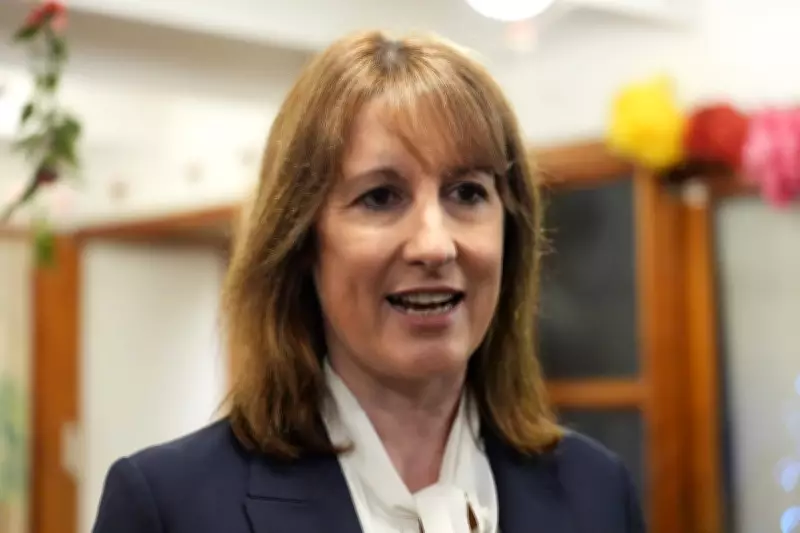
Chancellor Rachel Reeves has received a significant and rare boost as official figures reveal Britain has recorded its largest ever monthly borrowing surplus since records began in 1993. The Office for National Statistics (ONS) reported a public sector net borrowing surplus of £30.4 billion for January, marking a historic high for any single month.
Surplus Exceeds Forecasts Ahead of Spring Statement
This substantial surplus, where government tax and other revenues exceed spending, comes as a major relief for Chancellor Reeves as she prepares to deliver the crucial spring statement on March 3. The £30.4 billion figure was £6.3 billion larger than predicted by the independent Office for Budget Responsibility (OBR) and represents a striking £15.9 billion increase compared to the same month one year ago.
Key Drivers Behind the Record Figures
The remarkable surplus was primarily driven by two significant factors. First, there was a substantial jump in self-assessed tax payments, with self-assessment income tax receipts rising by £3.6 billion to reach £29.4 billion for January, surpassing OBR forecasts. Second, government debt interest payments fell dramatically to their lowest level in nearly six years, decreasing by £5 billion to just £1.5 billion – the smallest amount since March 2020.

ONS chief economist Grant Fitzner commented on the exceptional figures, stating: "January – which is traditionally a strong month for self-assessed tax receipts – saw the highest surplus since monthly records began. Revenue was strongly up on the same time last year, while spending was little changed, due to lower debt interest payments largely offsetting higher costs on public services and benefits."
Capital Gains Tax Contribution and Government Response
The government's total tax revenue for January reached a record £109.7 billion, with capital gains tax receipts showing particular strength. These payments increased by £7 billion to £17 billion for the month, exceeding expectations. This rise is linked to changes implemented in the Labour government's first autumn budget in 2024, which increased capital gains tax rates for most assets.
Meanwhile, overall government spending edged slightly lower by £0.6 billion to £86.1 billion for January, supported by the significant reduction in debt interest costs following recent falls in interest rates.
Political Reactions and Economic Context
Chief Secretary to the Treasury James Murray welcomed the figures, stating: "We have the right plan to build a stronger, more secure economy. We have doubled our headroom, we are bringing inflation down, we are making sure that taxpayers' money is spent wisely, and borrowing this year is forecast to be the lowest since before the pandemic."
However, Shadow Chancellor Sir Mel Stride offered a contrasting perspective, arguing: "Labour have borrowed £112.1 billion so far this year – the fifth highest borrowing on record. Record high taxes and irresponsible spending have weakened the economy."
The latest data indicates a strengthening of state finances in the final borrowing figures before Chancellor Reeves' spring statement. Across the first ten months of the current financial year, borrowing remains lower than during the same period last year, providing the government with additional fiscal flexibility as it approaches its next major economic announcement.






