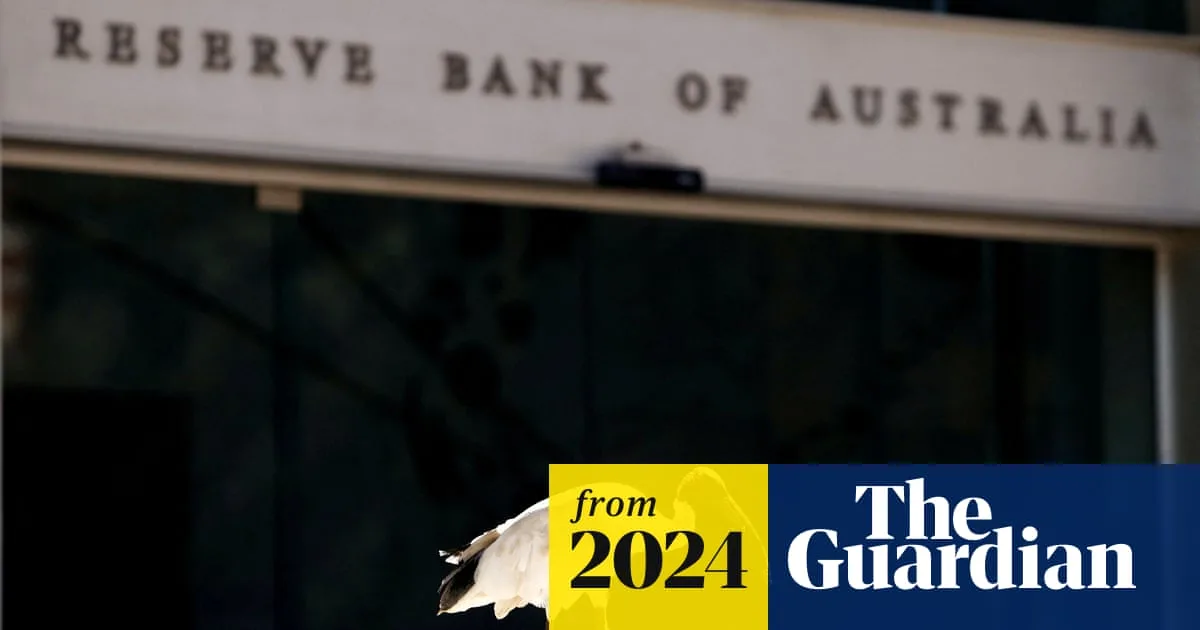
The Reserve Bank of Australia (RBA) has left the official cash rate unchanged at 4.35% for the second consecutive meeting, offering a glimmer of hope to mortgage holders that the worst of the repayment pain may be over. The decision, widely anticipated by economists, was announced at the board's first meeting of 2024.
In its statement, the RBA acknowledged that inflation is easing but remains high, and cautioned that it will be some time before it returns sustainably to the target range. Governor Michele Bullock emphasised that the bank's priority remains bringing down inflation, which continues to hurt households across the board. She noted that while mortgage holders are anxious for a rate cut, high inflation is a broader concern.
Economists at major banks do not foresee a rate cut until the second half of 2024 at the earliest. NAB's Tapas Strickland interpreted the RBA's updated forecasts as indicating a low probability of a cut in the first half of the year, but a possible reduction later in 2024 if inflation trends continue. The RBA's own forecasts suggest the cash rate will remain around current levels until mid-2025 before declining to about 3.25% by mid-2026.
The decision comes amid mixed economic signals. Weak retail spending at the end of 2023 and a sharper-than-expected drop in inflation to a two-year low in the December quarter have fuelled hopes of rate cuts. However, risks remain, including large wage deals, geopolitical tensions in the Middle East, and the government's revised tax cuts, which could add demand to the economy. Former RBA board member Warwick McKibbin warned that rates may need to rise further if inflationary pressures persist.
The Australian dollar edged higher following the announcement, while the stock market closed down 0.6%. The RBA's updated statement on monetary policy noted that demand continues to outstrip supply, keeping inflation too high, though slowing GDP growth is helping to reduce the imbalance.