

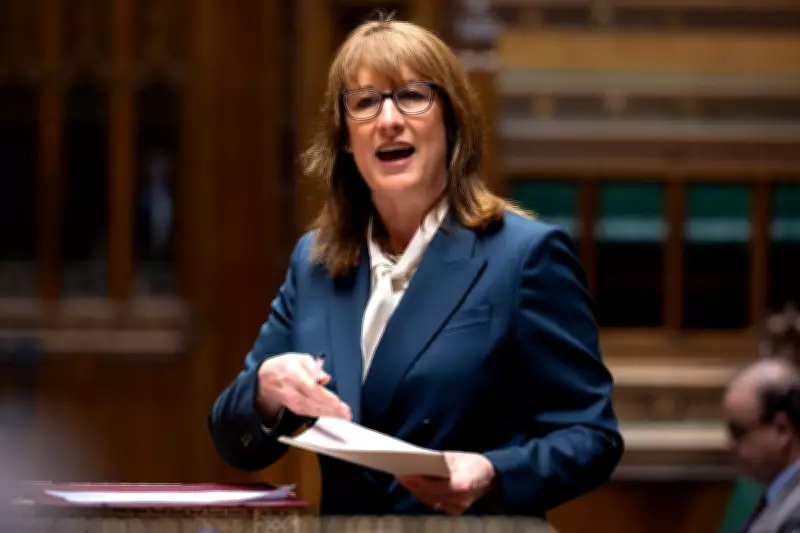
Chancellor Rachel Reeves Confronts Demands for Financial Transparency Amid Energy Crisis
Chancellor of the Exchequer Rachel Reeves is facing intensifying pressure to provide clear details on how the government intends to fund support measures during the deepening energy crisis, which has been exacerbated by the ongoing conflict in Iran. While her commitment to assisting those hardest hit by the economic shock is commendable, serious questions remain unanswered regarding the source of funding for these initiatives.
Energy Crisis Reaches Critical Levels
The International Energy Agency has issued a stark warning that the current energy crisis, already severe, could potentially become the worst in recorded history. In response, Chancellor Reeves has appropriately initiated contingency planning. However, given the strained state of public finances, providing universal assistance appears increasingly unfeasible.
At present, Ms. Reeves has primarily outlined guiding policy principles and announced relatively minor measures. The numerous uncertainties surrounding the situation make it impractical to implement broad price caps or quantify specific subsidies immediately, though some actions can be taken without delay.

Immediate Measures and Existing Initiatives
Among the immediate steps are increased pressure on oil companies and their retail partners to enhance transparency and avoid price gouging at fuel pumps, which should help households and businesses manage costs. Additionally, the planned 5p per litre increase in fuel duty has been postponed.
However, many of the measures presented to Parliament were not new. For instance, the chancellor highlighted that 90 percent of outlets are now signed up to Fuel Finder apps, a program actually launched during her previous Budget. Critics argue that much of her recent announcement contained little substantive new policy.
Of particular concern is the sharp inflation in fuel oil and LPG costs in rural areas, especially Northern Ireland. Ms. Reeves has reiterated previously announced subsidies aimed at supporting the most vulnerable households in these regions.
Targeted Support Strategy and Lessons from Past Crises
The strategy of directing assistance to those most in need, rather than implementing blanket schemes to artificially suppress gas and electricity bills, has been widely endorsed as sensible. This approach reflects lessons learned from the dramatic gas price spike following Russia's full-scale invasion of Ukraine in 2022, an unprecedented event that reverberated throughout the economy due to electricity charges being linked to gas prices.
During the initial phase of the Ukraine crisis, Conservative ministers including Boris Johnson, Liz Truss, and Rishi Sunak had little choice but to offer universal support. This approach inadvertently provided the largest subsidies to those with larger homes and higher bills, predominantly benefiting wealthier households, while proving extremely costly to the public purse.
Lack of Detail on Funding and Fiscal Implications
Chancellor Reeves has provided no specifics regarding how any future energy bill support schemes will operate. While the considerable distance to winter and the uncertain prospects for peace in the Middle East make some hesitation understandable, her failure to indicate the total scale of such support or its impact on public finances is less justifiable.
Beyond reiterating her iron-clad fiscal rules—which have demonstrated more flexibility than initially suggested—she has offered no concrete financial projections. The Office for Budget Responsibility estimated the total cost of energy support measures in 2022-23 at £51 billion. With the chancellor having approximately £24 billion in remaining fiscal headroom, alongside a substantial national debt burden that is becoming increasingly expensive to service, greater candor with the public would have been preferable.
Moreover, she should have clearly acknowledged that she will not be able to match the scale of support provided by her predecessors, particularly if the conflict persists and the energy crisis intensifies over the summer months.

Broader Strategic Challenges for Public Spending
This crisis has once again highlighted long-term strategic issues in public spending, including overdue investments in defence and necessary reforms to welfare spending driven by demographic changes. These reforms may need to encompass the state retirement pension and the triple lock mechanism.
The government's limited progress on these fronts has reduced fiscal flexibility when crises such as the current fossil fuel price spike emerge. If Ms. Reeves intends to ensure her energy support schemes are fully funded, unlike previous attempts, she must eventually present a detailed case explaining exactly how they will be financed.
Urgent Need for Social Security Reform
Reform of the social security system is essential to maintain necessary public support, even without the current pressures. Ms. Reeves and her senior colleagues will need to revisit this issue this year, persuading backbench colleagues to accept changes that safeguard the welfare system from financial collapse or potential restructuring under a future Reform UK administration, which might approach these matters with less restraint than the current Labour government.
The choices are becoming increasingly stark and urgent due to this crisis. The Labour government cannot afford to delay addressing these fundamental financial questions much longer.





