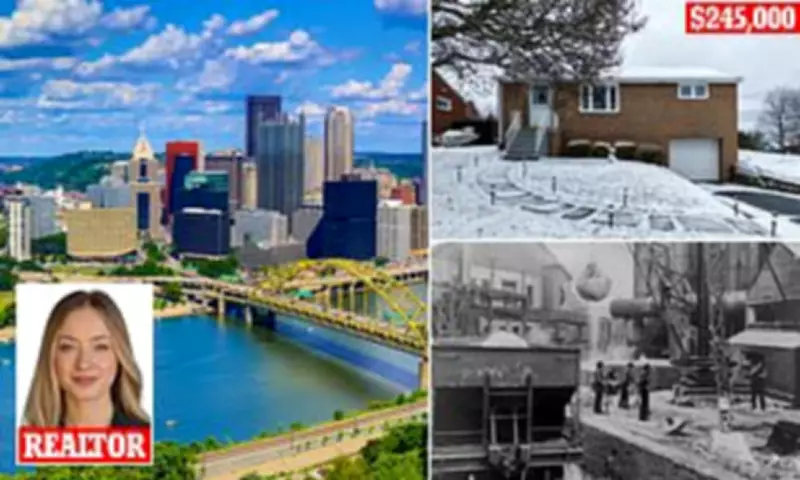
Once a symbol of industrial decline, Pittsburgh, Pennsylvania, is experiencing a dramatic resurgence, drawing new residents with robust job opportunities and highly attractive housing prices. Known historically as Steel City, Pittsburgh dominated American industrialization in the early 1900s and peaked in population during the 1950s, as detailed in an Allegheny Institute study. This gritty industrial powerhouse was a major employment center, producing over half of the nation's steel. However, as demand for steel waned, production slowed, leading to a severe population decline. From 1950 to 1990, the city lost over 45 percent of its residents as people fled following the collapse of the steel industry.
A New Era of Growth and Opportunity
Today, the once-dying city is bouncing back impressively, now home to approximately 308,000 people and offering fresh economic prospects. A recent WalletHub study ranked Pittsburgh among the top five best cities for jobs in the United States. The study examined employment trends across 182 metropolitan areas, including the 150 largest U.S. cities and at least two major cities from every state, concluding that no other metro area offers more job openings. In stark contrast, New York City ranked a lowly 145th out of 182, highlighting Pittsburgh's competitive edge in the job market. The evaluation focused on two key categories: job market strength and socio-economic conditions.
Economic Diversification and Reinvention
Realtor Rylee Madden explained to Daily Mail that Pittsburgh has transformed from a boom-and-bust economy to one characterized by economic diversity. Sectors such as healthcare, education, robotics, energy, and technology now drive growth, moving away from its gritty steel-producing past. As the demand for steel decreased, the population dwindled, but the city has reinvented itself. Madden noted, "It's a city that reinvented itself. The steel-town reputation lingers, but the reality today is innovation, medicine, education, and tech growth. And because it's not oversaturated, families and professionals feel like they can actually plant roots here." Buyers relocating from cities like Chicago, New York City, Florida, or Texas are often surprised by the strong value offered in Pittsburgh's housing market.

The transition to a more advanced service-based economy is evident, with education and health services employing nearly 280,000 workers in the region, according to labor data. In 2024, Governor Josh Shapiro announced a $600 million public-private plan aimed at revitalizing downtown Pittsburgh, further boosting its appeal. A spokesperson for Visit Pittsburgh told Daily Mail, "Pittsburgh has always been a city of makers. We're called the Steel City for a reason: The steel forged here not only built every other American city but also gave our city and its people an unshakable sense of grit and determination. We are proud of that history, but our city has significantly transformed from the days of its industrial economy."
Population Growth and Housing Affordability
As job opportunities expand, so does the population. From 2020 to 2024, Pittsburgh gained 4,708 residents, marking the largest spike of any city in Pennsylvania, as reported by the U.S. Census Bureau. Chris Briem, a regional economist with the University of Pittsburgh's Center for Social and Urban Research, told Axios that this represents "one of the largest annual population gains for the city of Pittsburgh in a long time." The city is attracting young professionals and families seeking a better quality of life, strong job prospects, and affordable housing.

Madden emphasized that Pittsburgh's appeal lies in "livability over hype." She said, "It's not flashy and that's the appeal. You can own a home with a yard 10 to 25 minutes from downtown. Commutes are manageable. Neighborhoods have character. It feels grounded and real." The housing market is balanced and increasingly affordable compared to other U.S. metropolitan areas. Madden described it as a strong buyer's market with ample room for negotiations, with many homes selling below the asking price. Median home prices have remained stable, hovering in the low-to-mid $200,000 range. Additionally, Pittsburgh's cost of living is about two percent lower than the national average, with food and transportation costs approximately six percent lower and healthcare costs around eight percent lower, according to the cost of living index.
Cultural Revitalization and Quality of Life
Pittsburgh's cultural scene is also thriving, with numerous museums, restaurants, and entertainment venues undergoing renovations, creating a lively and youthful nightlife. The Andy Warhol Museum, the largest museum in North America dedicated to a single artist, is undergoing a $60 million makeover to include a new performing arts venue in the vibrant Pop District. In the heart of the Cultural District, new food and entertainment spots are opening, such as Con Alma, a lively cabaret and restaurant that offers live jazz seven nights a week and adds a jazzy twist to Sunday brunch. Downtown's Arts Landing project will open a new city park in April, featuring walking trails, sculptures, and a performance space.
Outdoor activities abound, including the annual Dirty Dozen bike race, where riders tackle 13 cobblestone hills. Visit Pittsburgh highlighted the city as "a four seasons destination with a lineup of events and attractions available year-round," drawing travelers with unique cultural events like the Pittsburgh International Jazz Festival and Picklesburgh, a festival celebrating Pittsburgh's own HJ Heinz Company, founded in 1869. The tourist department noted, "The people behind Pittsburgh's greatest attractions are what make the city so special. Our city is home to 90 unique neighborhoods, each offering its own flavor (and its own way to eat fries). While Downtown is packed with cultural and culinary experiences, you get a fuller sense of Pittsburgh's story by crossing one of our iconic bridges and interacting with our neighborhoods' residents."
In summary, as Madden put it, "Pittsburgh offers space, stability, and substance without the chaos or cost of larger coastal markets." This combination of economic revival, affordable living, and cultural vibrancy positions Pittsburgh as a model for urban renewal in the Rust Belt.