Oil prices are heading for their largest monthly decline since 2020, with Brent crude futures falling 19% since the end of April to around $92 a barrel on Friday. The drop comes as investors grow optimistic that the US-Israel war in Iran may soon end, easing supply disruptions.
Hopes for a breakthrough have risen after former US President Donald Trump circulated a draft peace agreement among allies, according to reports. The US news site Axios said that the US and Iran had reached a tentative deal to extend a ceasefire by 60 days, although Trump has not yet agreed to the terms. US Vice-President JD Vance described a deal as “very close” but “not there yet”.
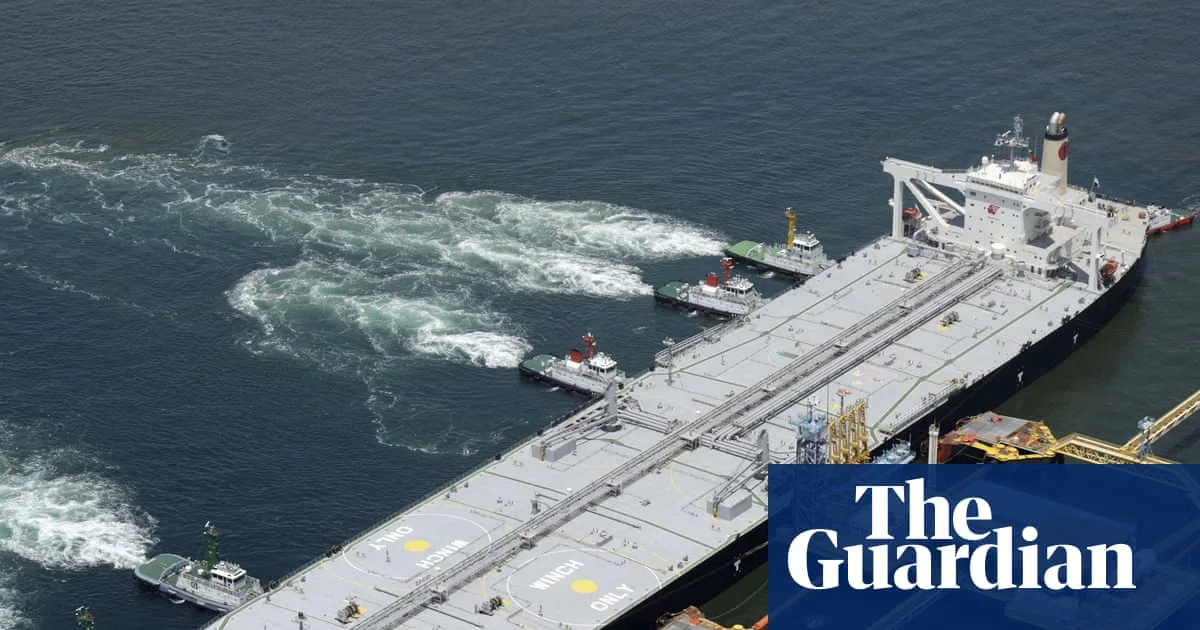
The war in Iran, now in its 90th day, has caused chaos in the global economy after Iran shut the Strait of Hormuz to shipping, cutting off a large proportion of Gulf oil exports. The US appears to have scaled back its initial goal of regime change, now focusing on reopening the strait and preventing Iran from building a nuclear bomb.
Deutsche Bank analyst Henry Allen said markets were showing “mounting optimism about an end to the conflict”. He added: “With oil prices coming down, that’s meant investors have started to price out the more stagflationary outcomes for the global economy, with a clear rally across multiple asset classes.” Stagflation refers to the damaging combination of stagnant growth and inflation.
Stock markets rallied in response. In Asia, Japan’s Nikkei 225 rose 2.5% and South Korea’s Kospi gained 3.9%, while Hong Kong’s Hang Seng added 0.7% but the Shanghai CSI 300 fell 0.45%. In Europe, the UK’s FTSE 100 rose 0.3% and the Stoxx 600 added 0.2%. On Wall Street, the S&P 500 edged up 0.2%, the Dow Jones gained 0.6%, and the Nasdaq was flat.