

The intensifying conflict in the Middle East has sparked widespread economic concerns, with potential ramifications for household finances across the United Kingdom. As geopolitical tensions escalate, analysts are examining how disruptions to global supply chains and commodity markets could translate into tangible financial pressures for consumers.
Energy Markets Under Strain
A primary concern revolves around the world's oil and gas supplies, which face significant disruption due to the conflict. Iran has reportedly issued warnings to tankers navigating the Strait of Hormuz, a critical maritime passage responsible for transporting approximately one-fifth of global oil supplies and seaborne gas. This strategic chokepoint's potential closure could severely constrain energy flows.
Compounding these worries, QatarEnergy, the state-backed energy corporation, has announced a halt in liquefied natural gas production following attacks on its facilities. This development has already triggered spikes in global gas prices, creating immediate market turbulence.

Implications for Household Energy Bills
While the United Kingdom sources oil and liquefied natural gas from diverse global suppliers beyond the Middle East, any sustained disruption to Strait of Hormuz traffic could dramatically increase demand for alternative sources. Such a scenario would likely precipitate substantial rises in gas and electricity prices, mirroring the energy crisis that followed Russia's invasion of Ukraine in 2022.
David Aikman, director of the National Institute of Economic and Social Research, cautioned that persistent disruptions "will raise household bills and business costs in the months ahead, putting renewed upward pressure on inflation." Wholesale gas price increases typically cascade into higher electricity costs and domestic heating expenses.
However, Kathleen Brooks, research director at XTB, offered a contrasting perspective, noting that Europe has significantly reduced its reliance on Russian and Middle Eastern gas. "Europe gets the bulk of its LNG from the US," she explained, suggesting markets might "absorb a few weeks of disruption to Qatari LNG flow." The ultimate impact largely depends on conflict duration and escalation levels.
Fuel Prices at the Pump
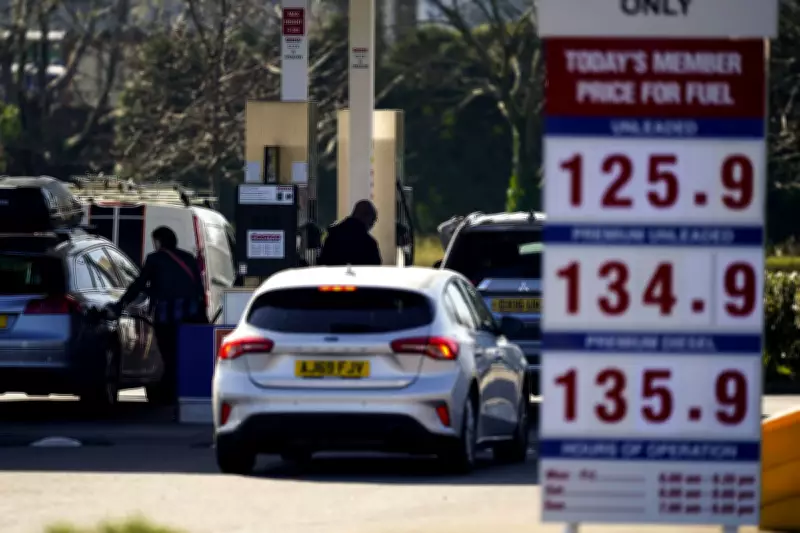
Motorists face potential increases in petrol and diesel costs as global oil price volatility affects UK fuel markets. AA president Edmund King warned that prices will "inevitably increase" in coming weeks, though he reassured drivers there was "no need to break their refuelling routine" since wholesale cost changes require time to reach forecourt pumps.
RAC head of policy Simon Williams acknowledged the conflict's potential to elevate pump prices but emphasized uncertainty. "The oil price would have to rise significantly and stay that way for some time to have a dramatic effect," he stated. Industry experts anticipate gradual price increases for both petrol and diesel if disruptions persist.
Broader Consumer Impact
UK retailers are preparing for potential knock-on effects that could manifest as higher consumer prices and reduced discount availability. The extent of impact depends on conflict duration, but rising oil costs, shipping expenses, supply route disruptions, and raw material shortages could gradually filter through to shop prices over subsequent months.
Analysts identify specific vulnerable categories, including fragrance products, since the Middle East plays crucial roles in producing ingredients for many perfumes, particularly oud and luxury scent bases. Conflict-affected regions also significantly contribute to global supplies of dates, olive oil, nuts, and spices like saffron.
Beyond food and luxury items, fashion, electronics, and homeware sectors could experience impacts if freight costs escalate or delivery times extend, given many UK brands depend on global supply routes traversing or near the affected region.

Financial Markets and Borrowing Costs
Should Middle East conflict-driven energy price increases push UK inflation higher, interest rate reductions could face delays. Sanjay Raja, chief UK economist for Deutsche Bank, explained that "should energy prices stick at their current levels, we would expect rate cuts to slow." He added that "a March rate cut would be in doubt, with concerns around higher energy prices leaving inflation expectations stickier becoming a major consideration for the MPC."
Conversely, if energy price pressures ease in coming weeks, the Bank of England might continue reducing borrowing costs amid slowing inflation. Beyond interest rate uncertainty, housing market experts suggest wider economic instability could affect lender risk appetites, potentially influencing mortgage availability and terms.
Pension and Investment Considerations
Pension savers may witness unsettled financial markets affecting their pension pots, according to Maike Currie, vice president of personal finance at PensionBee. "While this can be unnerving," she noted, "it's important to remember that pensions are ultimately long term investments, typically spanning decades. Over that time, markets have repeatedly demonstrated their resilience, recovering from wars, recessions, pandemics and political shocks."
Most workplace and personal pensions utilize diversified investment funds, spreading capital across various assets to mitigate shocks from events affecting specific regions or markets.
For investors, global events frequently trigger market volatility and heightened uncertainty. Joe Wiggins, investment research director at St James's Place, suggested investors and advisers consider whether impacts are likely to prove material long-term, whether uncertainties alter investor objectives, and whether portfolios maintain appropriate diversification levels.
The Middle East conflict's financial repercussions remain fluid, with ultimate household impacts contingent upon geopolitical developments, market adaptations, and policy responses in coming weeks and months.





