
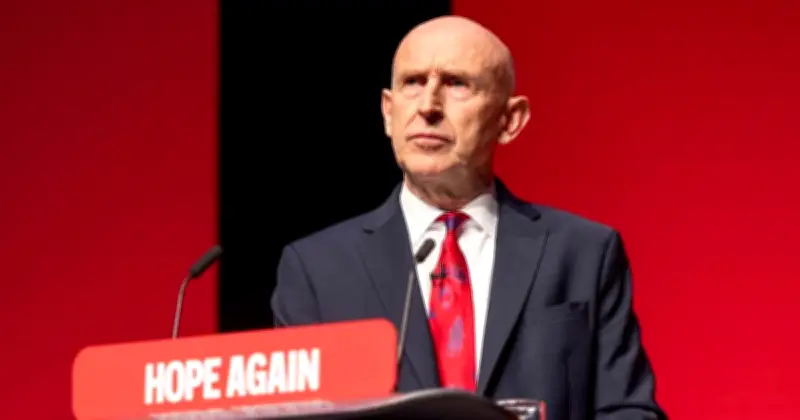
The Institute for Fiscal Studies (IFS) has warned that Chancellor John Healey faces a "nightmare" £35 billion Budget dilemma ahead of his maiden Budget on October 28, with high inflation identified as the main challenge.
According to the IFS, price rises are the most pressing problem for Mr Healey as they will erode the budgets of Government departments, creating the need for either significant cuts to some public services or potential top-ups to spending plans totalling tens of billions of pounds.
Borrowing and inflation impact
The thinktank said higher interest rates on Government debt will push up borrowing by about £10 billion in 2029-30. However, inflation would also increase tax revenues, probably by more than it automatically boosts spending on benefits, and therefore borrowing would fall during the same period.
IFS Director Helen Miller said Mr Healey likely faces a forecast in which borrowing is still expected to fall in coming years and the fiscal rules are still being met. She added: "Despite that, a 'steady-as-she-goes' Budget is not an option available to the Chancellor."
Ms Miller continued: "Choosing to stay the course with the inherited tax and spending plans would mean allowing inflation to blow departments' spending plans off course. It would be a choice to tolerate chunky cuts to the quantity or quality of some public services – cuts that would be larger if defence spending was increased within existing totals."
Fiscal headroom and spending totals
The IFS said Mr Healey must clarify the ceiling for spending he is "willing to live within", warning his plan to meet the fiscal rules - including day-to-day spending paid for by taxation and borrowing coming down by the end of this Parliament - would only be plausible if it is based on "credible spending totals".
In what the IFS described as "a plausible scenario", the Chancellor's fiscal headroom would be around £20 billion in 2029–30, compared with the £24 billion forecast in March. However, the IFS stressed there is a "very high" degree of uncertainty, with the precise figure largely dependent on how the Office for Budget Responsibility (OBR) expect inflation to affect wages.
Spending pressures and potential cuts
The IFS analysis found maintaining the real-terms spending plans at March levels could require a £12 billion top-up at the end of the decade, with £3 billion more needed to maintain the level of capital spending plans.
Departmental budgets have already been squeezed by more generous pay settlements and a requirement to make productivity improvements. Under current plans, growth in spending on public services is forecast to slow over the coming years, with some departments potentially vulnerable to funding reductions.
In a scenario in which health spending increased at 2.7% per year in real terms and plans to increase defence spending remained unchanged, this would imply real-terms cuts to other departments. Increasing defence spending to 3% of GDP by 2030 is forecast to cost £11 billion in 2030–31.
Forecasts of higher inflation than in the spring would reduce the generosity of budgets further. These pressures mean avoiding cuts to departments' budgets could require a combined top-up to day-to-day and investment spending of around £25 billion in 2030–31, according to the IFS.
It added: "A choice to leave spending totals unchanged would implicitly be a choice to cut some budgets and allow the quality and/or quantity of some public services to fall."
"On the other hand, increasing spending to avoid cuts to budgets and fund higher defence spending could require tax rises or benefit cuts of around £35 billion. The Chancellor must decide where to land on that spectrum."
Political context and tax pledges
Prime Minister Andy Burnham has ruled out cutting the UK's benefits bill to pay for defence. Mr Burnham also wants to fund a national care service and increase council house building. Mr Healey, however, has said the Government has a moral duty to address welfare spending.
Labour's election manifesto included pledges not to increase income tax, National Insurance, VAT or corporation tax, but the Government is under huge pressure to raise more money. Ms Miller warned hiking taxes would be a drag on Britain's economic growth, depending on which taxes are raised.
She said: "The risk of having taken the big taxes off the table is that you end up fiddling with smaller, more damaging taxes and therefore doing more damage than you would need to do."




