The government has warned that price hikes resulting from the Iran war will persist for at least eight months after the conflict concludes, as the UK intensifies preparations to mitigate potential shortages. Chief Secretary to the Prime Minister, Darren Jones, stated that consumers will face elevated costs for energy, food, and flights "as a consequence of what Donald Trump has done in the Middle East," emphasizing a prolonged economic impact.
Government Response and Planning
The Prime Minister is set to chair another meeting of the Cabinet committee established to address the fallout, following the closure of the Strait of Hormuz. This critical shipping lane, which facilitates the transit of a fifth of global oil and gas supplies, has been shut due to the conflict, causing oil prices to surge. A contingency planning group led by Mr. Jones is convening twice weekly to monitor stock levels and assess supply chain disruptions.
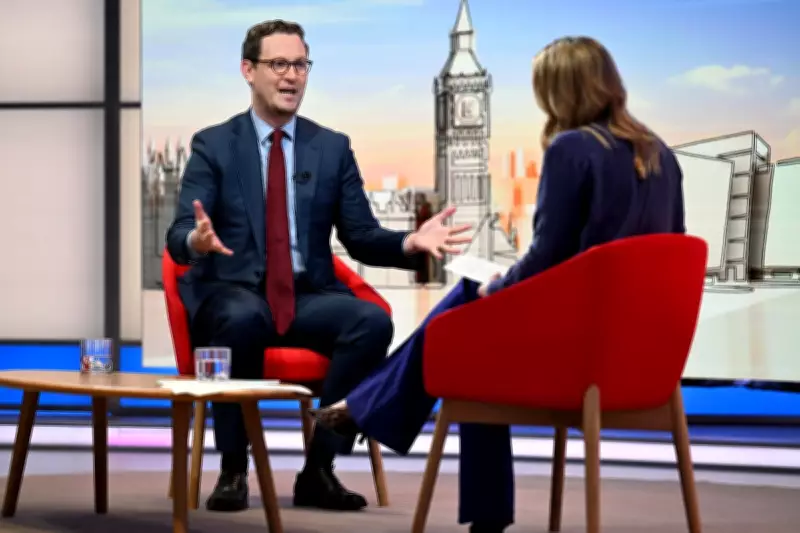
Mr. Jones indicated that consumers are more likely to experience price increases rather than empty supermarket shelves. "Quite frankly, that's probably going to come online, not just in the next few weeks, but the next few months. There's going to be a long tail from this," he told the BBC. When pressed on the duration of economic disruption, he estimated "eight plus months from the point of resolution" for economic impacts to filter through the system.

Impact on Households and Businesses
Oil and gas prices have risen sharply since the conflict began in late February. Earlier this month, the Bank of England warned that approximately 1.3 million additional UK households could face increased mortgage costs due to the economic shock. The Bank's financial stability report noted a "deteriorated" UK economic outlook, heightening pressure on households and businesses.
The government has sought to reassure the public, urging drivers to continue refueling normally and not to alter travel plans amid fears of jet fuel shortages. This follows leaked government documents revealing potential shortages of key supermarket goods this summer if the Iran war persists. Officials have developed contingency plans under the codename "Exercise Turnstone," run by the government's emergency committee, Cobra.
Supply Chain Vulnerabilities
The "reasonable worst-case scenario" assumes the Strait of Hormuz remains closed and no peace deal is reached. It warns that carbon dioxide (CO2) supplies could plummet to just 18% of current levels, based on a mechanical failure at a key UK plant and high gas costs reducing ammonia and fertiliser production across Europe, which generate CO2 as a by-product. The farming and hospitality sectors would be the hardest hit, as CO2 is essential for extending the shelf life of foods like salads, packaged meats, and baked goods.
Supermarkets have confirmed they are collaborating with the government to prepare for a worst-case scenario where food producers are affected. Mr. Jones concluded, "People will see higher energy prices, food prices, and flight ticket prices as a consequence of what Donald Trump has done in the Middle East. The government here in the UK is looking at all of those things and saying, 'what can we do within our power to help people to get through those difficult times?'"