

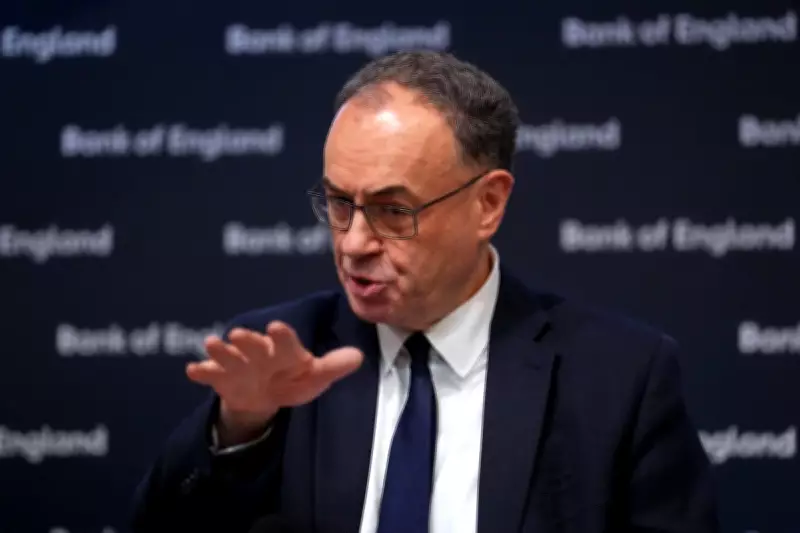
The Bank of England governor has stated that UK interest rates might have been reduced twice this year if not for the conflict with Iran. Andrew Bailey told MPs on the Treasury Committee that a rate cut had been effectively removed from consideration following the war.
Impact of the Iran Conflict
Mr Bailey explained that the war has been the "dominating change in the landscape" for the economy. He noted that prior to the conflict, it was reasonable to expect one or two rate cuts this year, as the market had priced in. However, that expectation has now been taken off the table, effectively tightening policy.
Current Interest Rate Stance
Interest rates were held at 3.75% last month, a decision the governor described as sensible given the unpredictability of events in the Middle East. He highlighted two key considerations for the Bank: the duration of the conflict and the potential lasting damage to energy supply infrastructure.

Inflation and Energy Costs
Official figures show Consumer Prices Index (CPI) inflation fell to 2.8% in April from 3.3% in March. Mr Bailey noted "surprisingly benign food price inflation" but cautioned that higher oil prices could have a delayed reaction on energy bills. He pointed out that while the Ofgem cap decreased in April, it is expected to rise in July.
Supermarket Price Controls
Responding to reports that British supermarkets had been asked to limit prices of essential food items, Mr Bailey warned that such measures are "not sustainable in the long run." He acknowledged potential short-term benefits but stressed the need for careful consideration. A government minister denied plans for price caps but confirmed ongoing talks with supermarkets amid rising inflation concerns.






