Trump's Iran War Threatens Global Economy with Recession and Fuel Rationing
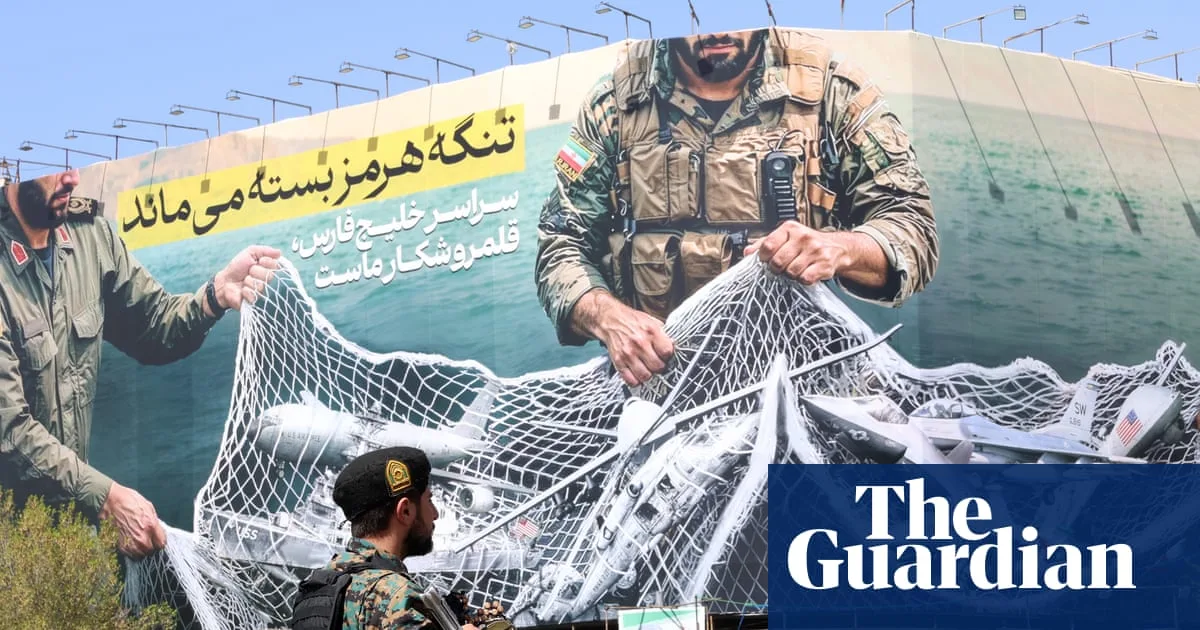
Economic experts are issuing stark warnings that the ongoing conflict between the United States and Iran could plunge the world into a severe recession and necessitate widespread fuel rationing within months. Oxford Economics has released new research indicating that the blockade of the Strait of Hormuz is already causing catastrophic disruptions to global oil supplies.
Unprecedented Oil Shortage Looms
The research reveals that tanker traffic through the vital Strait of Hormuz has plummeted by 98 percent. If this crucial shipping route remains closed for an extended period, existing oil inventories will be rapidly depleted, exacerbating the current shortfall of 2 million barrels per day. Oxford Economics projects this could escalate to a staggering 13 million barrel daily deficit within six months.
"That represents an unprecedented shortage of around 12 percent of consumption, leading to widespread rationing concentrated in emerging economies, with significant hits to activity and supply chain disruption," explained Bridget Payne, head of oil and gas forecasting at Oxford Economics. "Our modelling shows this scenario would trigger a global recession and slow world GDP growth to 1.4 percent in 2026."
Global Impact and Regional Vulnerabilities
The need for fuel rationing would accelerate dramatically from the fourth month of continued disruption. While the United States and Canada are somewhat protected due to their substantial domestic oil production and refining capabilities, other regions face severe challenges.
Europe occupies a middle ground with better refining infrastructure and stronger government policies, but remains vulnerable if the disruption persists. The report highlights that emerging economies across Asia Pacific and sub-Saharan Africa are most exposed, combining heavy import dependence with limited inventory reserves and often weak institutional capacity to manage shortages.
International Responses and Growing Crisis
Countries worldwide are already implementing emergency measures. Bangladesh faces particular concerns about becoming the first nation to exhaust its fuel supplies, with drivers queuing for hours and universities closing to conserve diminishing reserves.
Other nations have taken proactive steps:
- Egypt has ordered shops and restaurants to close early to reduce energy consumption
- Pakistan has enacted a four-day work week
- The Philippines has mandated reduced government fuel consumption
- Myanmar has introduced alternate driving days
Oxford Economics further reports panic buying and black markets for Liquefied Petroleum Gas emerging in India, while petrol stations in Thailand are running empty.
Diplomatic Efforts and Economic Warnings
Foreign Secretary Yvette Cooper is hosting talks with a coalition of countries to reopen the Strait of Hormuz, though notably excluding the United States from these discussions. Meanwhile, the International Monetary Fund has warned that Britain's economy is "especially exposed" to spiraling prices due to its reliance on gas-fired power.
Prime Minister Keir Starmer has cautioned the public that price rises are "inescapable" this year due to the Middle East conflict, though the government maintains there is no immediate need for fuel rationing, monitoring the situation "hour by hour."
Economic Projections and Business Concerns
Oxford Economics forecasts average Brent crude oil prices reaching $113 from April to June, with prices already at $109. Ryan Sweet, chief global economist at Oxford Economics, noted that "the military timeline differs from the economic one" despite Donald Trump's claims that the war would end in weeks rather than months.
Susannah Streeter, chief investment strategist at Wealth Club, observed: "Governments have been left scrambling to try to limit the impact on companies and consumers, with more rationing of energy likely to come into play." She added that repair work on damaged Gulf energy facilities could take years, keeping oil and gas prices elevated for an extended period.
A new Office for National Statistics report reveals growing business anxiety, with 55 percent of British businesses expressing concern about energy prices, rising to 74 percent among firms with 10 or more employees. Additionally, 37 percent of larger businesses worry about international conflicts impacting supply chains in the coming year.
The situation remains fluid, with approximately one-fifth of global LNG supplies normally transported through the now-impassable Strait of Hormuz, creating what experts describe as "no easy exit" from the escalating economic crisis.