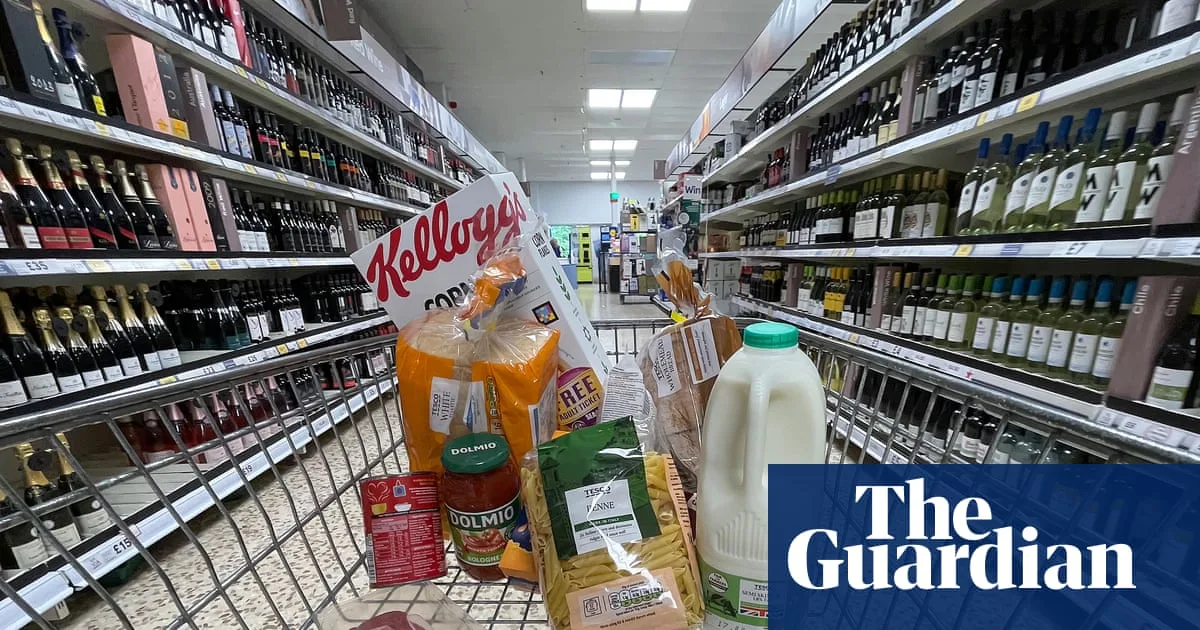
Four in five Britons are worried that the ongoing conflict with Iran will push up food prices, according to a new poll by Opinium. The survey of 2,000 people found that 80% fear rising grocery costs as retailers pass on higher energy and shipping expenses. Meanwhile, 73% expect the war to increase prices of other products.
The blockade of the Strait of Hormuz has already sent oil and gas prices soaring, triggered a crisis in the global fertiliser industry, and made shipping more expensive. Food inflation is forecast to hit 7% by the end of the year, the Bank of England has warned, driven by higher fertiliser, energy and transport costs.
Helen Dickinson, chief executive of the British Retail Consortium, said the war is “driving up costs across the supply chain” and urged ministers to remove non-commodity energy costs for retailers. “Other governments are already acting,” she said, pointing to Germany’s reduction of electricity costs for businesses. “The UK should be moving in the same direction, not treating global instability as cover for inaction.”
Simon Roberts, boss of Sainsbury’s, described limiting energy prices for retailers as “the single biggest thing the government should do to keep prices down”. Supermarket bosses met Chancellor Rachel Reeves earlier this month to discuss the conflict’s impact on the cost of living.
A government spokesperson said: “We are acting to protect people from any potential increases in food prices. We have already suspended select food tariffs and continue to work closely with the sector to keep households bills down.” However, Dickinson warned: “The window to act is closing.”