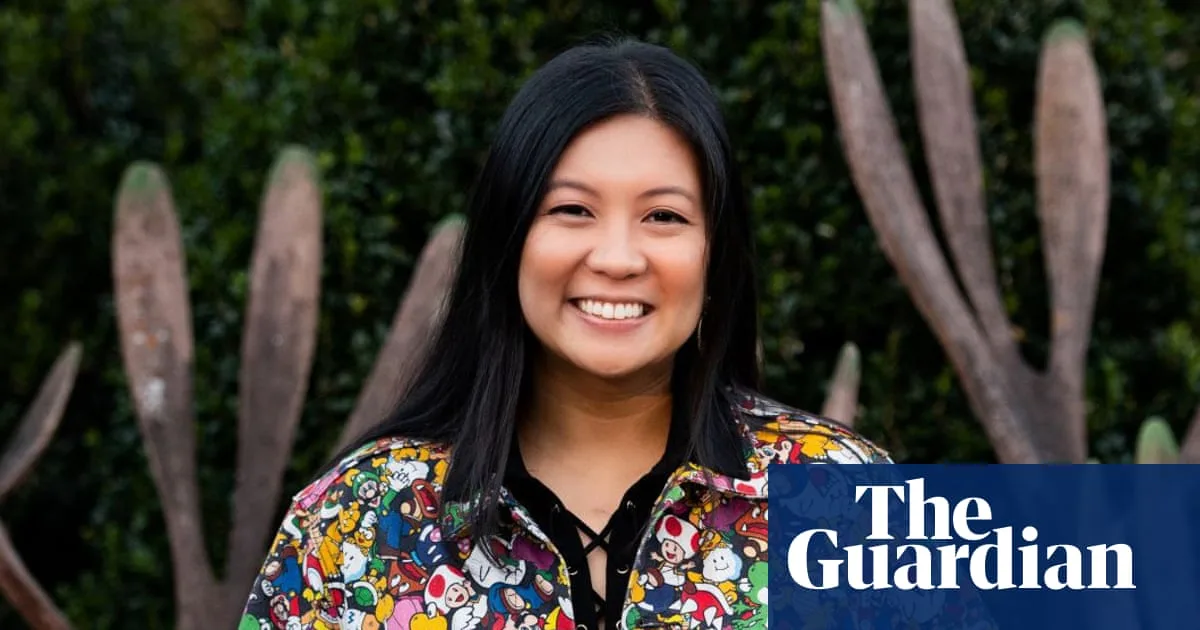
Delyanne Barros is a champion of low-cost, slow-and-steady index fund investing. She believes it is never too late to start investing, even if it means starting with just $1.
A Late Start to Investing
Barros did not learn about investing until she was 37 years old. She had been contributing to a 401(k) since age 28 but thought it was a savings account, not understanding its connection to the stock market. A decade into her career as an employment lawyer, burdened with student loans and locked out of New York's competitive housing market, she began researching other ways to build wealth.
"In the minority community, we've been told for so long that owning a home is the way to build wealth," said Barros, who was born in Brazil and came to the US at age eight. "I just started thinking: 'There's got to be another way, right?'"
She went down a personal finance "rabbit hole" and discovered that investing is not as complicated or intimidating as she had imagined. "It was mind-blowing," Barros recalls. "I didn't know that you could manage your own investments. I learned that there was a pathway to retiring early, which was great for me because I was completely miserable as an attorney."
Retirement and Relocation
Now 43, Barros has earned enough from investing and teaching her 600,000 followers to do the same that she has paid off her loans and retired both herself and her mother from full-time work. They moved to a beachfront condo in Portugal three years ago. "It's been a lifelong dream to reunite with my mother," says Barros. Her mother returned to Brazil in 2005 and would not have been able to get a visa to return to the US. "We'd been apart for 20 years living on different continents."
Advice for Late Starters
Barros, a champion of low-cost, slow-and-steady index fund investing, wants other late-to-game investors to know it's never too late to start. "For a lot of people, most of their earning power is between the ages of 35 and 55," she says. "You can make up for lost time."
She explains that if you start in your 40s or 50s and want to retire in your 60s, you may need to invest two to three times more per month than if you started in your 20s. However, she emphasizes that it is possible.
First Steps in Building a Portfolio
Barros started maxing out her 401(k) in 2019. She had $100,000 saved for a home but abandoned that idea and dumped $40,000 into a brokerage account. Three months later, the Covid-19 stock market crash occurred, but she had researched and prepared herself. "I was able to just ride that through and have faith that the market was going to come back. And I kept investing. In fact, I started dumping even more money into the market."
She recommends a brokerage account for those who want to retire early, as it offers more flexibility for withdrawals before the usual retirement age without tax penalties.
Current Investment Portfolio
Barros keeps her investments simple: 85% in S&P 500 and international index funds and 15% in individual stocks. She has $526,000 in retirement accounts (a 401(k) and traditional IRA) and over $1.5 million in her brokerage account. She plans to withdraw 4% annually from the brokerage, about $60,000 per year, to cover expenses until age 59½.
IRA vs. Roth IRA
Barros explains that a traditional IRA is pre-tax: money comes in pre-tax, grows tax-free, and you pay taxes upon withdrawal. With a Roth IRA, you pay taxes upfront, then grow and withdraw tax-free. The choice depends on your tax bracket. If you are at your peak earning potential, a traditional IRA may reduce taxable income now. If you are early in your career and expect to earn more later, a Roth IRA locks in a low tax bracket.
When to Start Investing
While some experts argue against investing if you have credit card debt or no savings, Barros believes in starting as soon as possible, even with $1, to get familiar with platforms and automation. However, she draws a hard line: if you are piling more debt onto credit cards, focus on stopping the leakage first. Once spending is under control and you have at least three months of expenses saved, start investing.
Investing in the US from Abroad
Barros moved to Portugal three years ago partly due to concerns about the US political climate. She still invests in US stocks, noting that the S&P 500 has been the most powerful stock market for decades. She suggests that those hesitant about US investments can allocate up to 20% into ethical funds (ESG), but warns of greenwashing and the need for research.
Best Money Spent
Barros's best purchase is her dog Oliver, a street dog from Thailand. However, she regrets not getting pet insurance, as Oliver required $10,000 surgery after a car accident. She advises new pet owners to get insurance on day one.
Lessons from Her Success
Barros generated $3.5 million in revenue from her online course in five years, but she attributes her retirement security to years of consistent 401(k) contributions, paying off debt, and living below her means. "Slow and steady works. It's not sexy. It's boring as hell watching your account inch up. But one day, you're gonna hit $100,000 in your investment account and you're gonna notice the needle start to move."