The International Monetary Fund (IMF) released an update to its World Economic Outlook this week, titled “Global Economy: Steady amid Divergent Forces”. The report has been criticised for using bland language to describe a global economic crisis exacerbated by US President Donald Trump’s policies, including tariff threats linked to his desire to acquire Greenland.
On Sunday, Trump announced a 10% tariff on goods from several European countries, including Denmark, Norway, Sweden, France, Germany, the UK, the Netherlands and Finland, from 1 February. He threatened to increase this to 25% from 1 June unless the US gains control of Greenland. The IMF report, released the following day, noted that “trade tensions have continued to abate but remain subject to occasional flare-ups”.
The IMF’s update showed that the effective US tariff rate is higher than projected in October 2025. The report described this in calm terms: “the overall US effective tariff rate at about the same level as assumed in the October 2025 WEO, but the changes for specific countries can be meaningful”. In reality, tariffs paid by Americans are now more than six times higher than a year ago.
The IMF has highlighted AI investment as a potential driver of future growth, suggesting it could “significantly improve productivity and boost medium-term growth prospects”. However, it also warned that if AI fails to deliver expected earnings, it could trigger a costly reallocation of capital and labour, leading to a correction in equity markets and global output losses.
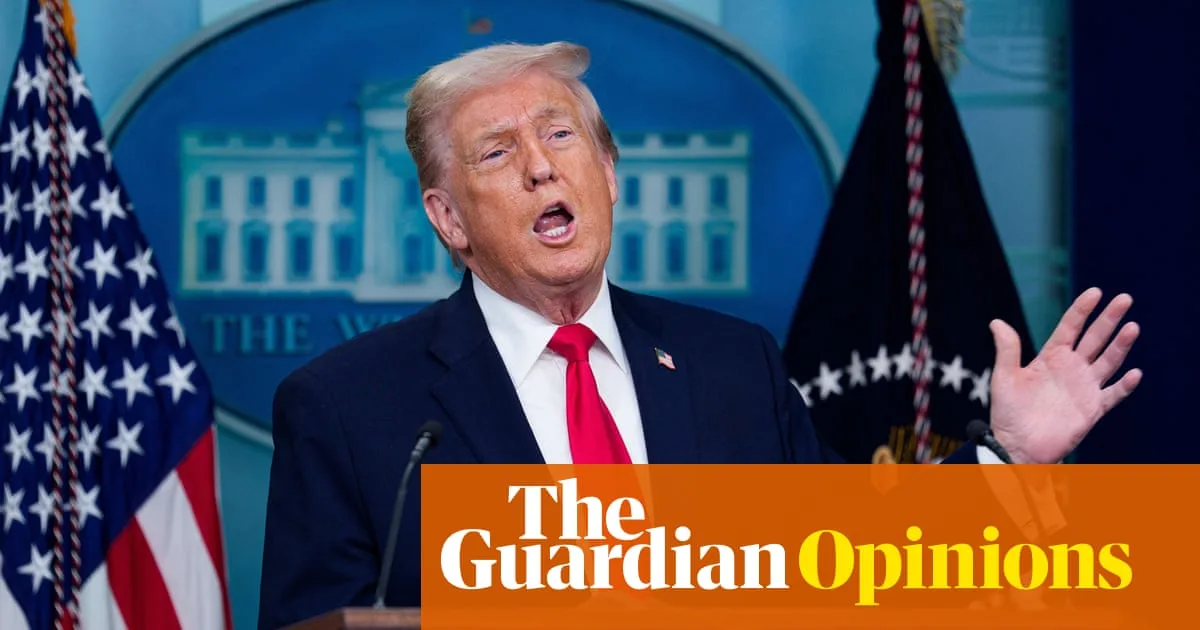
The report makes no mention of Greenland, Venezuela, or Trump himself. Critics argue this sanitises the crisis, ignoring Trump’s erratic behaviour, such as inviting countries to join his “board of peace” for $1bn and threatening a 200% tariff on French wine when President Macron declined.