IMF Slashes UK Growth Forecasts as Iran Conflict Threatens Global Recession
IMF Cuts UK Growth Forecasts Amid Iran War Recession Risk

IMF Downgrades UK Economic Outlook as Middle East Conflict Escalates

The International Monetary Fund has delivered a stark warning about the UK's economic prospects, significantly downgrading growth forecasts for the next two years while cautioning that escalating conflict between US-Israeli and Iranian forces threatens to derail the global economy.

Substantial Downgrades to Growth Projections

In its latest economic outlook released on Tuesday, the IMF revealed that UK gross domestic product is now expected to grow by just 0.8% in 2026, a substantial reduction from the 1.3% forecast in January. The projection for 2027 has also been revised downward to 1.3% from the previously anticipated 1.5%.

This represents a significant deterioration in economic expectations for a nation that achieved 1.4% growth last year, according to recently revised Office for National Statistics data. The downgrade places the UK among the most severely affected economies within the G7 group of advanced nations.

Wide Pickt banner — collaborative shopping lists app for Telegram, phone mockup with grocery list

Inflationary Pressures Intensify

The conflict's impact extends beyond growth figures, with inflation projections also revised upward. The IMF now expects UK inflation to average 3.2% this year and 2.4% in 2027, compared to previous forecasts of 2.5% for 2026 with expectations of reaching the Bank of England's 2% target by 2027.

Experts attribute this inflationary pressure to multiple factors directly linked to the Middle East conflict, including surging energy prices, increased fuel costs, and rising food inflation. Since hostilities escalated in late February, petrol prices have risen by 19%, while diesel costs have increased by more than a third.

Employment and Global Recession Concerns

The economic deterioration extends to the labor market, with the IMF predicting UK unemployment will rise to 5.6% in 2026 from 4.9% last year. This worsening employment outlook compounds concerns about the broader economic impact of the conflict.

IMF economic counsellor Pierre-Olivier Gourinchas described how the global economic outlook has "abruptly darkened," with the conflict threatening to throw the world economy "off course" from its previous steady growth trajectory.

Severe Scenario Could Trigger Global Recession

The IMF outlined a severe scenario in which continued conflict could reduce global growth by 1.3 percentage points in 2026, potentially pushing the world economy into recession territory with growth below 2%. Such an outcome would represent only the fifth global recession since 1980, following the global financial crisis and COVID-19 pandemic among recent examples.

Gourinchas specifically warned that "the closure of the Strait of Hormuz and serious damage to critical production facilities in a region central to global hydrocarbon supply could cause an energy crisis on an unprecedented scale."

Political Reactions and International Context

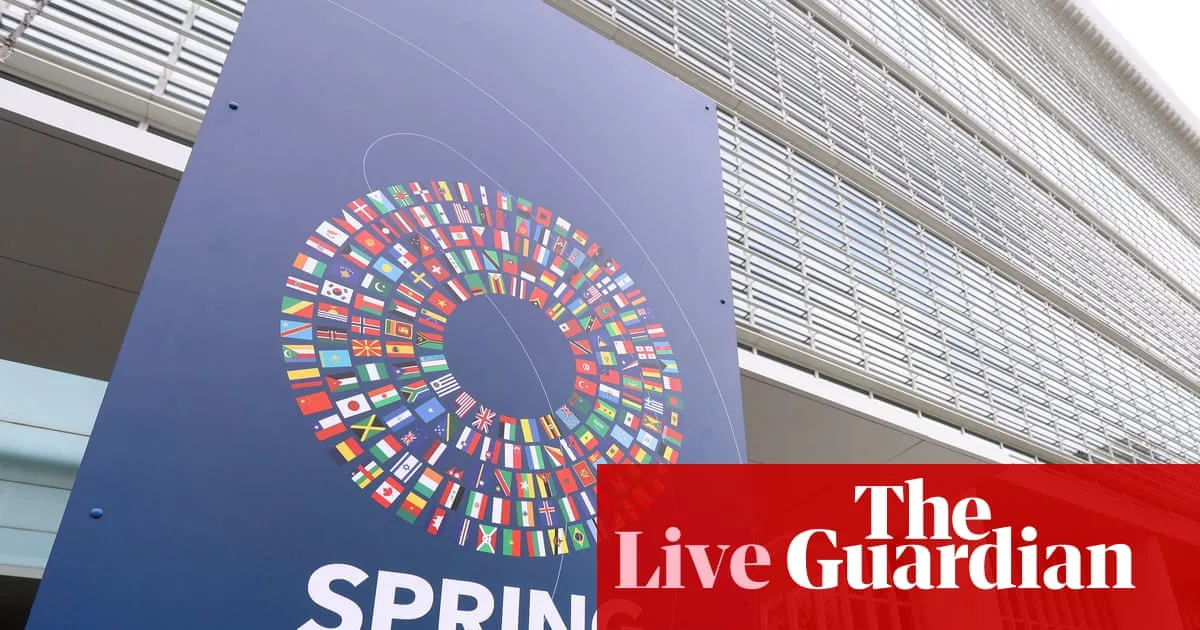
The forecasts emerged as Chancellor Rachel Reeves, Bank of England Governor Andrew Bailey, and other financial leaders gathered in Washington for the IMF's annual meeting. The timing highlighted the urgency of the economic challenges facing policymakers.

Shadow chancellor Sir Mel Stride seized on the downgrades, stating: "Being handed the biggest downgrade in the G7 is a clear verdict on Rachel Reeves' choices – and she's got no one to blame but herself. Her 'plan' to keep costs down has left us with the highest inflation in the G7, with businesses closing and the cost of living skyrocketing."

The IMF's assessment represents the organization's first comprehensive economic forecasts since the conflict began disrupting global markets, with oil and gas prices surging as energy production and transportation face disruption from attacks on facilities and the strategic Strait of Hormuz blockade.

Pickt after-article banner — collaborative shopping lists app with family illustration