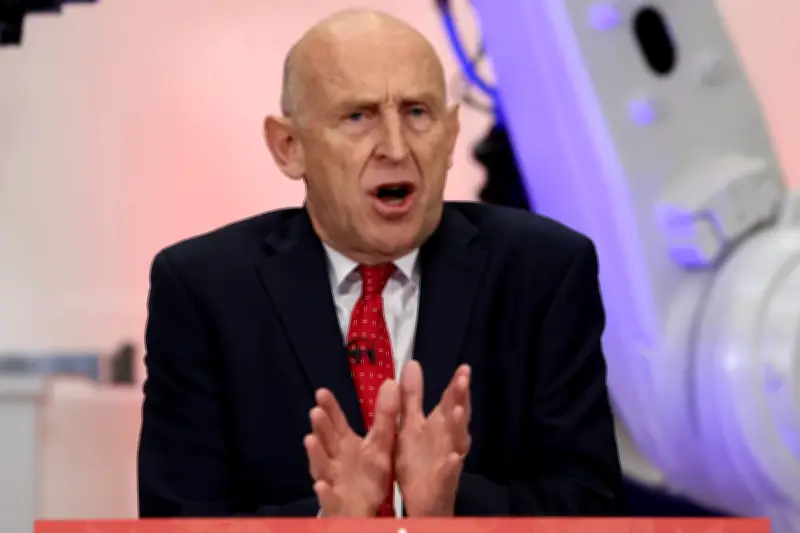
Chancellor John Healey faces having to raise taxes or slash benefits by up to £35 billion to avoid hitting public services with “chunky cuts,” leading economists are warning.
The Institute for Fiscal Studies (IFS) laid out the fraught choices that the Chancellor has inherited for his first Budget on October 28. It highlighted the threat of more tax rises, which would almost certainly hit London hardest, or welfare cuts on a scale already rejected by Labour MPs, or Prime Minister Andy Burnham imposing significant cuts to public services which would be a highly surprising move.
Tax options and inflation impact
Tax increases being mooted for the Budget include higher levies on banks in the City being demanded by union chiefs, ramping up taxes on the better-off, or a bigger Treasury cash grab from property owners.
The IFS stressed that Donald Trump’s Iran war meant inflation in coming years will be higher than was expected in the spring, when the Office for Budget Responsibility published its most recent comprehensive report on the UK economy. Higher inflation will push up the cost of Government borrowing by around £10 billion in 2029–30, the fiscal experts estimated.
But it will also increase tax revenue for the Treasury as wages rise faster than predicted, and probably by more than the increase in the welfare bill. So the Government’s “fiscal headroom”, or economic cushion, could be around £20 billion in 2029–30, compared with £24 billion forecast in March.
Spending pressures and IFS warning
The IFS warned Government departments are already facing cuts in next year’s Spending Review, if the health budget rise by 2.7% per year in real terms and defence plans remained unchanged. Higher than expected inflation worsens this situation, it added, and so to avoid cuts to departments’ budgets may need a combined top-up to day-to-day and investment spending of around £25 billion in 2030–31. Increasing defence spending to 3% of GDP by 2030 would cost some £11 billion by 2030–31, across day-to-day and investment spending.
Faced with such a challenging outlook, IFS director Helen Miller warned Mr Healey against a “steady-as-she-goes” Budget. She stressed: “Choosing to stay the course with the inherited tax and spending plans would mean allowing inflation to blow departments’ spending plans off course. It would be a choice to tolerate chunky cuts to the quantity or quality of some public services.”
The IFS briefing explained further: “Increasing spending to avoid cuts to budgets and fund higher defence spending could require tax rises or benefit cuts of around £35 billion.”
Chancellor’s response and criticism
In a sign of the dire state of the public finances, Mr Healey has reportedly rejected a plea from Health Secretary Yvette Cooper for more money for a pay rise for nurses and more frontline NHS resources to meet waiting times, instead saying the funds must come from efficiency savings.
The Chancellor, who is due to visit Bangkok, Thailand, for the International Monetary Fund’s annual meetings this week, stressed that the Middle East war was “leading to higher prices at the pumps and more expensive mortgages at home”. Ahead of his trip, he said: “I will work with our international partners to keep trade moving, support families and businesses, and make Britain’s economy stronger and more resilient to deliver good growth in every postcode. My Budget will build on this approach with fiscal discipline helping to deliver economic resilience.”
But Shadow Chancellor Andrew Griffith said: “Labour raised taxes by £66 billion in its first two Budgets. Families cannot afford to be lumbered with even more tax rises at this Budget. Labour should cut welfare instead of dumping on working people as they have already done.”