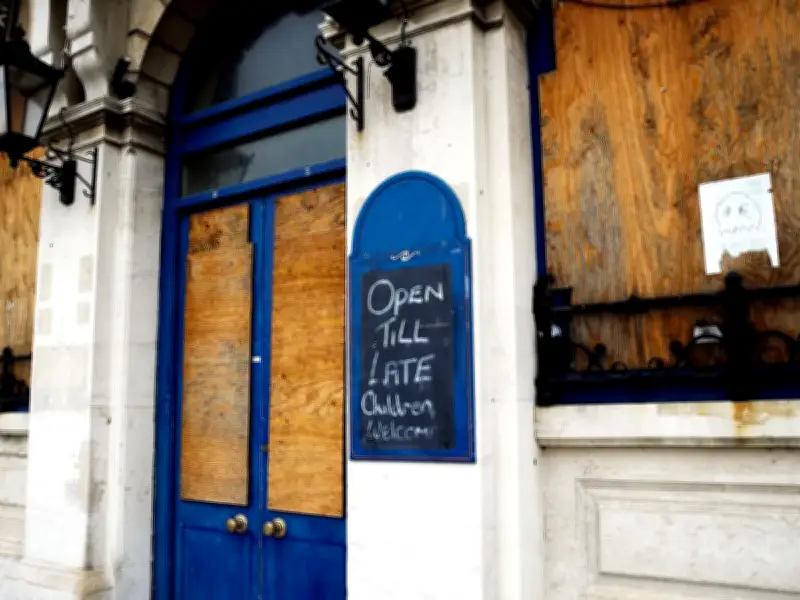
An estimated 360 pubs across Britain will close this year, resulting in around 5,000 job losses, according to new figures from trade body the British Beer and Pub Association (BBPA). The closures equate to a rate of one pub per day, with the impact felt "far and wide", claim industry chiefs.
By the end of September, another 295 pubs across the country had shut. Soaring bills and cost-of-living pressures on regulars have forced another wave of landlords to call last orders for the final time, with even some popular watering holes failing in their battle to make ends meet.
Job losses hit young workers hardest
Over half of the job losses will affect under-25s, a blow that is especially acute given a youth employment crisis. Pubs and the wider hospitality sector are traditionally recognised as an important stepping stone into a first job.
This year’s tally of closures would mark an increase on the net loss of 336 across the UK last year. Over the past five years, there were nearly 2,200 net pub closures, bringing the total number of pubs to 43,656 by the end of 2025.
Tax receipts and regional breakdown
With the typical pub contributing approximately £200,000 to HMRC, the BBPA says this year’s closures could cost the government almost £72m in lost tax receipts, including employment taxes, beer duty, business rates, corporation tax and VAT.
England has lost 226 pubs in total, with the South East seeing the highest number of closures (42), followed closely by the North West (39). The North East has seen the fewest closures (11). Scotland and Wales have seen 64 and 5 pub closures respectively.
Industry welcomes business rate cut
The BBPA warned successive Budgets have exacerbated a damaging tax and regulatory burden that the industry already faced, and which is at the heart of many closures. Last year’s Budget alone added an extra £322million of business costs for pubs and brewers, resulting in many being forced to make incredibly tough decisions.
However, there is some hope after Prime Minister Andy Burnham announced a business rate cut in July. Pubs, social clubs and live music venues in England will be given a 20% rate reduction from April, with Mr Burnham calling it a "first step" to help the industry.
Emma McClarkin, BBPA chief executive, said: "When a local closes, the damage is felt far and wide. It’s not just workers, communities, our heritage and high streets who lose out when a pub closes - the Treasury loses, on average, £200,000 in tax receipts every time a local calls last orders.
"We wholeheartedly welcome the Prime Minister’s promise to cut business rates by 20% for pubs from next year which, when it comes in to effect, will be a significant help. This will build on the initial commitments to wider reform including the pub valuation methodology and a pub-specific relief recognising their unique social and community value.
"The Prime Minister has pledged that the cavalry is coming, which is why we’re asking Government to tackle the root of the problem through a permanently fair and sustainable rates burden, freezing beer duty, increasing draught relief and reviewing employment costs for under-25s. This will mean we can carry on keeping people in jobs, boosting the economy, and being at the heart of communities."
Landlords describe 'Japanese water torture'
Pub landlord Steve Orme and business partner James Thomson say they now have a simple target at the start of every year: "to survive and break-even". The pair run two pubs in Surrey and one in Twickenham, West London - but say it has never been as tough in their 13 years in the trade, despite their pubs, including The Red Lion in Shepperton, doing brisk trade.
"We know how to run a busy pub," says Steve, 49. "It is not the top line, it’s everything else." Like other pubs, it has been hit with a wave of costs, including a jump in energy bills. However, one of the biggest has been employment costs, including what Steve calls a "double whammy" from changes to the rate and threshold for employers’ national insurance.
"It is like Japanese water torture - drip, drip, drip," says Steve, referring to the various increases. He and James also run The Golden Grove in Chertsey, and The Rose & Lion in Twickenham. Rising employee costs, including wages, forced them to reduce the number of front of house staff they employ.
"I think, if you spoke to 90% of pubs, they’d say breaking even at the moment would be considered a success," says Steve, adding that some in the trade are putting in 90 hour weeks, sometimes on their own, to get by. "Every single pub in this country is important," he adds. "They are the heart of our communities. But I don’t think it has ever been this hard. It was easier to run the pub in Covid because there were reductions with VAT and rent."