

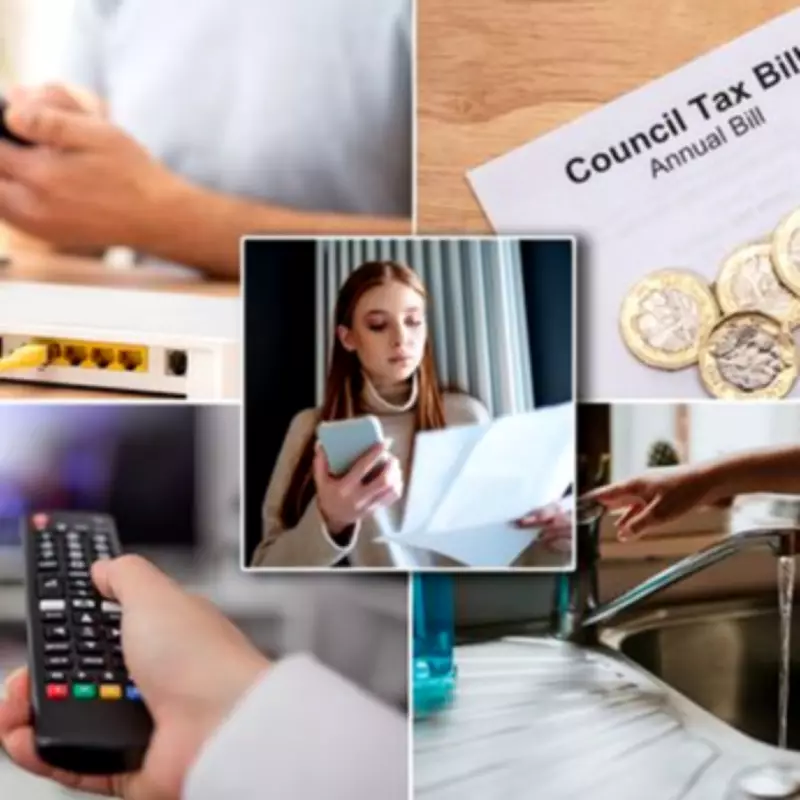
Households Braced for £7 Billion 'Awful April' Bill Surge
Millions of households across the United Kingdom are set to be hit with a near £7 billion annual surge in essential bills from the start of April, in what has been dubbed "awful April." The average family faces a £214 yearly jump for water, council tax, broadband, mobile bills, and the TV licence, adding significant pressure to already strained budgets.
Widespread Increases Across Key Services
Price comparison website Uswitch.com reports that the combined impact of these hikes will add £6.85 billion annually to household outgoings. This comes at a challenging time, with many families grappling with broader economic pressures, including the effects of "Trumpflation" on global markets. While some relief is offered by falling energy bills for tens of millions of customers in April, a potential spike in July looms if conflicts in the Middle East persist.
Detailed Breakdown of April Bill Hikes
Water Bills: In England and Wales, water bills will rise by an average of 5.4% from April, equating to an increase of £33 per year for the typical household. This brings the average annual bill to £639, according to Water UK. The increase comes amid ongoing public anger over sewage releases into waterways.

Council Tax: A majority of local authorities are planning to hike council tax by the maximum allowed amount of 4.99%, with some areas seeing increases of almost 9%. The average Band D council tax in England for 2025/26 will be £2,280, an increase of £109.
Broadband and Mobile: Most providers are increasing bills by £1 to £4 per month from April, adding up to £48 annually. New regulations require firms to notify customers of increases in "pounds and pence" rather than linking them to inflation.
TV Licence: The fee rises from £174.50 to £180 from April, required for watching or recording live TV or using BBC iPlayer.
Car Tax: Millions of drivers will pay more, with the standard rate for vehicles registered from April 2017 increasing from £195 to £200. Rates for older vehicles and first-year "showroom" tax are also rising.
Energy Bills: Despite concerns over Middle East conflicts, Ofgem's price cap will fall by 7% to an average £1,641 annually in April. However, experts warn it could surge by over £330 to £1,973 in July if the situation worsens.
Dental Fees: NHS dental charges in England are rising by 1.7%, with a routine check-up increasing from £27.40 to £27.90. Band 2 care (e.g., fillings) rises to £76.60, and Band 3 (e.g., dentures) to £332.10.
Stamps: Royal Mail will hike first class stamp prices by 10p to £1.80 and second class by 4p to 91p from April 7, a 181% increase since 2016.
Air Passenger Duty: This tax jumps by 15% from April 1, with economy domestic flights rising by £1 to £8 per leg, and short-haul flights increasing by £2 to £15. Premium class and private jet duties see even steeper rises.
Offsetting Measures and Wage Changes
Some relief is provided by increases in benefits and a freeze on regulated rail fares. Welfare payments, including Child Benefit, rise by 3.8%, while the state pension increases by 4.8% under the triple lock. However, 17% of Brits report frozen wages for 2026, according to Uswitch, exacerbating the squeeze.
On a positive note, the National Living Wage for those aged 21 and over rises from £12.21 to £12.71 per hour from April 1, with increases for younger workers and apprentices.
As households navigate these changes, consumer advocates urge proactive measures, such as stocking up on stamps ahead of the price rise, to mitigate the financial impact of "awful April."






