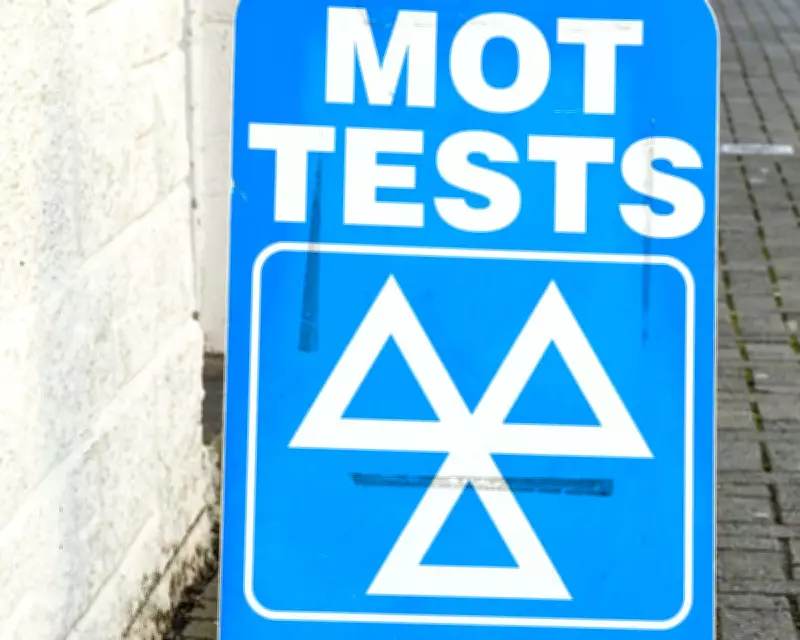
MOT tests are carried out in 23,000 accredited garages around the UK. However, a growing number of drivers are falling victim to so-called "ghost MOTs"—fake certificates that indicate a vehicle has passed its test when no inspection actually took place. This fraud can lead to significant repair costs and safety hazards for unsuspecting car owners.
How Ghost MOTs Work
The scam occurs when a garage or mechanic logs a vehicle as having passed its MOT without performing the required checks. In some cases, the vehicle may never even enter the garage. Car owners can become victims if they buy from a dealer or individual who has paid a rogue mechanic to issue a false pass. Alternatively, a driver might take their car to a garage for testing, but the work is not carried out.
Warning Signs
Andy Turbefield, head of quality at Halfords, warns that drivers often only realise they have been scammed when they visit another garage after noticing a fault. "Consumers could be blissfully unaware that the vehicle they think has an MOT actually hasn't been anywhere near an MOT garage," he says. Earlier this year, a mechanic and an MOT tester received suspended sentences for issuing ghost MOTs.

Drivers who unknowingly buy a car with a fake MOT may later discover worn brake pads, bald tyres, or faulty lights. Fixing these issues costs money and increases the risk of an accident. If a car with a fraudulent MOT is involved in a crash, insurance companies may investigate and refuse to pay out.
Spotting a Fake MOT
A genuine MOT certificate will be recorded in the official system, so even if a fraudster registers a pass, the records will show it. KwikFit advises drivers to use garages that are transparent about the testing process and discuss advisory notes or failures. Only authorise repairs with your approval. Trusted garages with positive reviews are a safer bet.
The average MOT takes between 40 and 50 minutes. Be wary of any garage that offers a very quick turnaround, such as asking you to return in half an hour. Also, avoid deals that are significantly cheaper than the standard maximum fee of £54.85 for a car MOT.
Checks After the Test
After an MOT, you can verify the work by checking lights, indicators, and other components. Turbefield notes: "The classic example would be lights not working—brake lights, headlights, or indicators." If you buy a secondhand car, examine the MOT history closely. A certificate issued on the day of purchase or a completely clean history with no advisory notes for an old car could be red flags.
Reporting Suspicious Garages
If you suspect a garage has issued a ghost MOT, you can report it to the Driver and Vehicle Standards Agency (DVSA) via its website. The DVSA is trialling new systems requiring testers to photograph vehicles during testing and upload the images to prevent fraud.