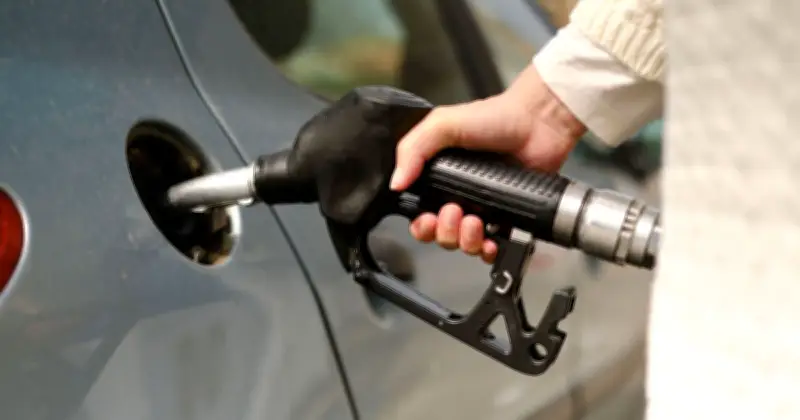
Drivers could be handed a 12p per litre cut to the price of petrol and diesel on Wednesday if Prime Minister Andy Burnham and his Chancellor John Healey listen to the demands of various key motoring groups and slash fuel duty.
Petrol and diesel prices have spiralled in the past months, with drivers paying record high prices for diesel in particular, which is now beyond £2 per litre, as the US-Israel war against Iran continues to push up the price of oil and in turn, rocket the cost of fuel at the pumps.
Budget speculation
This coming Wednesday, October 28, new Prime Minister and self-appointed Cost of Living champion Andy Burnham, along with his Chancellor will have their first big opportunity to do something about it.
Most of the speculation leading up to the Budget has been about whether the PM will extend the current 5p fuel duty freeze, currently slated to end on January 1, for longer. The freeze was already extended once more this year by predecessor Sir Keir Starmer.
But several key organisations are calling for the Budget to go further than this, including a cut to fuel duty which could knock as much as 12p a litre off the price of fuel.
Calls for a fuel duty cut
Fair Fuel UK is calling for a 10p cut to fuel duty to be delivered in the Budget which would knock roughly 12p a litre off the price of petrol and diesel at the pump once VAT is calculated.
This matches pressure from the Liberal Democrats, who have also urged Mr Burnham to implement a 10p fuel duty cut.
Lib Dem leader Sir Ed Davey urged Andy Burnham to cut fuel duty by 10p a litre at least until Christmas to ease cost-of-living pressures. The move could be paid for through the money higher oil, gas and energy prices bring into the Treasury coffers and give some relief amid the rise in the cost of getting around caused by “Donald Trump’s idiotic war with Iran”, he said.
The party also wants the planned 3p fuel duty rise due in January to be scrapped.
Sir Ed told the Press Association: “The Government’s getting a huge amount of money into the exchequer because of higher oil and gas prices, higher energy profits levy, higher gas tax revenue, higher VAT.
“And rather than keeping that in when people are struggling with the cost of living, with the cost of fitting up their car with petrol and diesel, we think they should give it back.
“And if they did that by cutting fuel duty by 10p, that’d be a 12p reduction at the pumps.
“That would really help people who are struggling with fuel costs.”
VAT reduction proposals
Breakdown experts the RAC have instead urged the government to cut VAT on fuel, down from its current 20% to 15%, says Petrol Prices.
As reported by Petrol Prices: “Because VAT is a percentage, the Treasury collects more every time pump prices rise. Bloomberg estimates the government could take about £3.9bn more in fuel VAT over the next 12 months than if prices had stayed near pre-war levels. The RAC puts the extra collected since the conflict began on 28 February at about £1.27bn, although businesses can reclaim some of it.”
The motoring groups argue that this extra money should pay for relief. The RAC says the government should use its “extremely high” VAT receipts to help motorists, and the AA has asked the Chancellor to take the additional revenue into account when he costs a cut.
But as Petrol Prices urges, the largest difference you pay at the pump comes from where you fill up, not when. It adds: “Any cut announced in the Budget only helps if retailers pass it on. The competition watchdog has already found some retailers slow to pass on falls in their costs…Whatever happens on 28 October, the price at the forecourt you choose will matter more than the national average.”
Prime Minister's response
Andy Burnham has said he is considering “every possible measure” to cut the cost of driving as he faced questions about whether he will stop the planned fuel duty rise next year.
The Prime Minister told BBC Breakfast: “I’m considering everything that might help people in very difficult times and I will be honest and say every possible measure is being looked at.
“The question I’ve got is, ‘how many can I afford?’
“What can we do given the state of the public finances?
“And people wouldn’t thank me for making unfunded payments that then cause pressure on mortgages – and we’ve seen that in the past and we’re not going back there.”
Mr Burnham later added: “We will work hard to take that pressure off people’s shoulders.
“But I would be the first to say it’s hard – and the long-term answer is to put water under stronger public control – energy, housing reform, those are the long-term answers.”