Australia Grapples with Fuel Shortages Amid Global Conflict
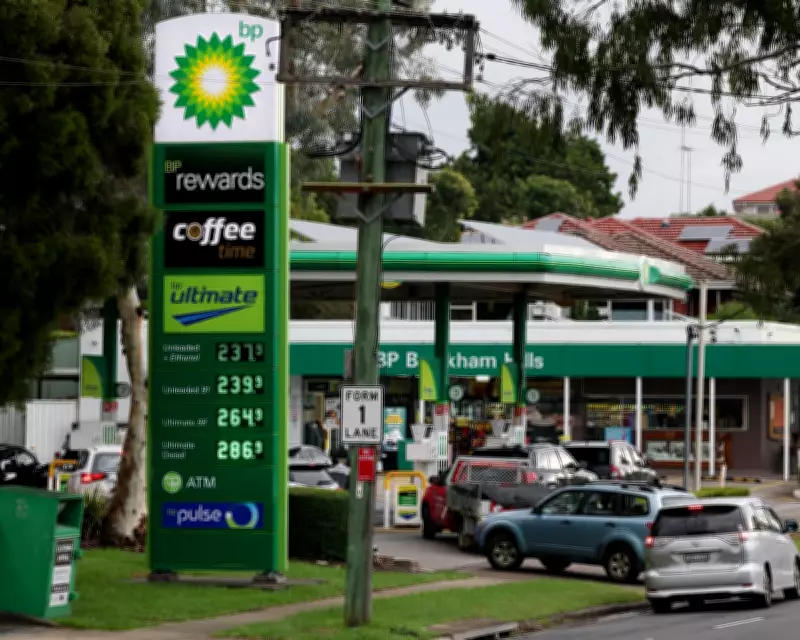
Long queues formed at petrol stations across Sydney on 19 March as Australia experienced a significant fuel crisis, driven by the ongoing war in Iran. This situation has placed immense strain on households and businesses, highlighting vulnerabilities in the nation's energy supply chain.
Economic Fallout and Political Opportunity
The conflict in Iran is directly impacting Australians' finances, exacerbating inflationary pressures. This crisis presents a critical opportunity for the Albanese government to implement long-discussed reforms, particularly a windfall tax on fossil fuel companies. As the saying goes, "Never waste a good crisis" – a sentiment echoed by commentators since the Ukraine war highlighted similar issues in 2022.
Four years later, with a new conflict unfolding, the conversation has resurfaced with renewed urgency. The government is reportedly considering measures to ensure energy producers do not profit excessively from high international prices at the expense of domestic consumers.

The Case for Tax Reform
A document from the prime minister's department, obtained by the ABC ahead of the May budget, explicitly states that energy producers should not benefit from elevated international prices while domestic customers suffer. This comes amid calls for substantial reforms to the petroleum resource rent tax (PRRT), which previously yielded only $2.4 billion over four years after minor adjustments.
Implementing a flat 25% tax on export gas could generate up to $17 billion annually. With inflation remaining a persistent economic challenge and predictions of long-term economic scarring from prolonged conflict, fossil fuel companies continue to reap windfall profits while households struggle with rising costs.
Global Context and Domestic Implications
The Iran conflict has led to strategic blockades, including constraints on the Strait of Hormuz, which severely impacts global fuel supplies. This creates both a domestic economic problem and an existential threat worldwide. The situation is compounded by political narratives that have sometimes irresponsibly encouraged panic buying, despite bipartisan acknowledgment of longstanding supply vulnerabilities.
Tony Wood from the Grattan Institute notes that minimum stock levels imposed after the Ukraine war have improved onshore fuel reserves to 36 days of petrol and 32 days of diesel. However, decades of policy delays, including culture wars slowing electric vehicle adoption, have left Australia inadequately prepared for such shocks.
Policy Proposals and Economic Alternatives
Economist Alison Pennington argues that interest rates are not the sole tool for managing inflation. Targeted price relief on essential items like fuel, energy, and childcare could alleviate family costs while reducing inflationary pressure. Funding such measures could come from windfall taxes, especially given that companies exporting LNG from Australia generated an estimated $100 billion in windfall profits between 2022 and 2024 during the Ukraine conflict.
Despite this, Australians have seen minimal benefits from these largely multinational corporations, which pay little or no PRRT. The government now faces calls to reconsider policies like the $10 billion annual diesel fuel rebate and fringe benefits tax exemptions on electric vehicles to encourage sustainable alternatives.
Leadership and Future Directions
Prime Minister Anthony Albanese has acknowledged that the world has changed, emphasizing the government's responsibility to position Australia for future challenges. A windfall fossil fuel tax could not only fund necessary transitions but also reduce carbon emissions, aligning with broader environmental goals.
As the Reserve Bank of Australia urges restraint from citizens, similar advice might be directed toward policymakers to seize this moment for substantive reform. The fuel crisis underscores the urgent need for strategic action to ensure energy security and economic resilience in an increasingly volatile global landscape.