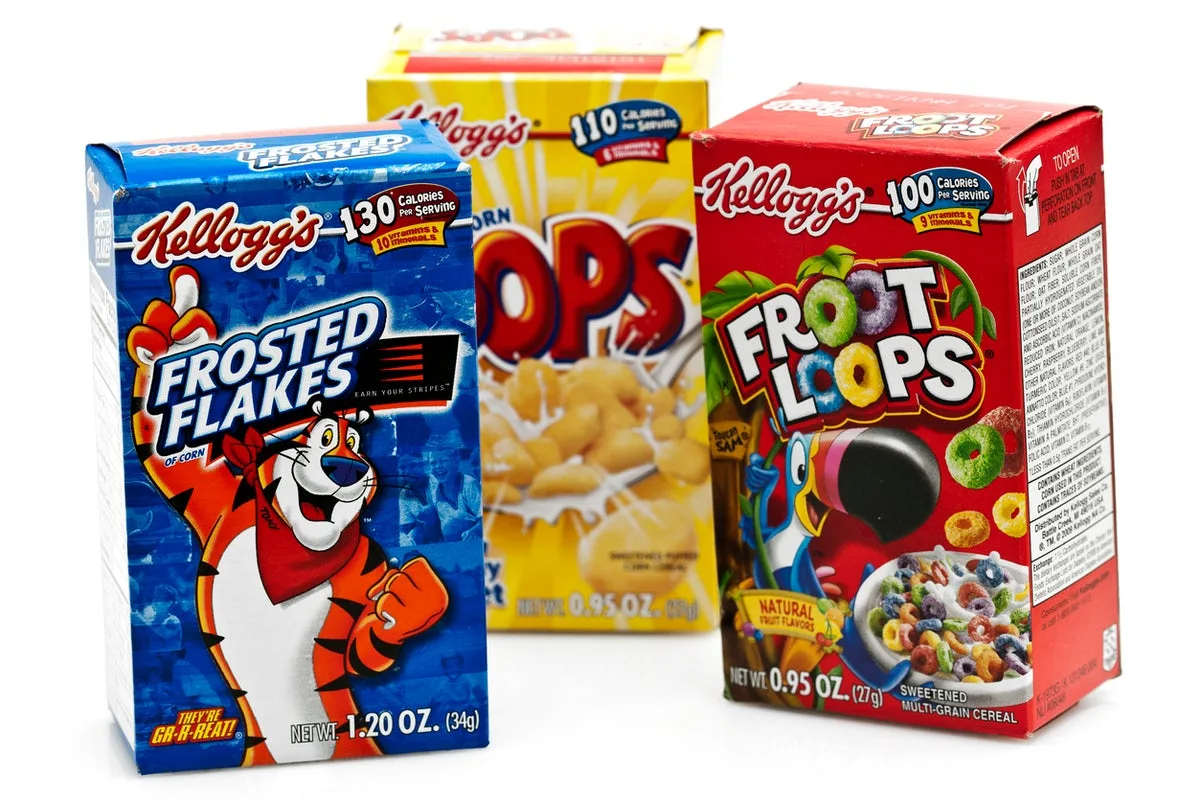
Froot Loops has been named the most popular cereal in the United States, according to a new study from Concordia University, St. Paul. The multi-coloured, ring-shaped treat was the most searched-for cereal in 13 states, including Texas, Florida and Michigan.
Kellogg's Rice Krispies and General Mills' Cheerios tied for second place, each dominating in five states. Trix was the favourite in Washington DC, Kansas, Massachusetts and Washington, while Cocoa Puffs topped rankings in Hawaii and Nevada. Cinnamon Toast Crunch led in Delaware, Maryland and South Carolina.
The findings, based on Google Trends data from January 2025 to January 2026, come as breakfast cereal sales continue to decline. Market research company Nielsen IQ reported a 13 per cent drop in sales over the four years to July 2025, from 2.5 billion boxes to 2.1 billion.
Experts attribute the slump to concerns over food processing and sugar content. 'Cereal finds it really hard to get out from underneath that,' said Tom Rees of Euromonitor. 'It can't escape the fact that it doesn't look like a natural food.'
Artificial dyes, such as those used in Froot Loops, have also faced criticism. In 2024, protesters rallied outside Kellogg's headquarters demanding removal of these dyes. Both Kellogg and General Mills have pledged to phase out artificial dyes by the end of 2027.