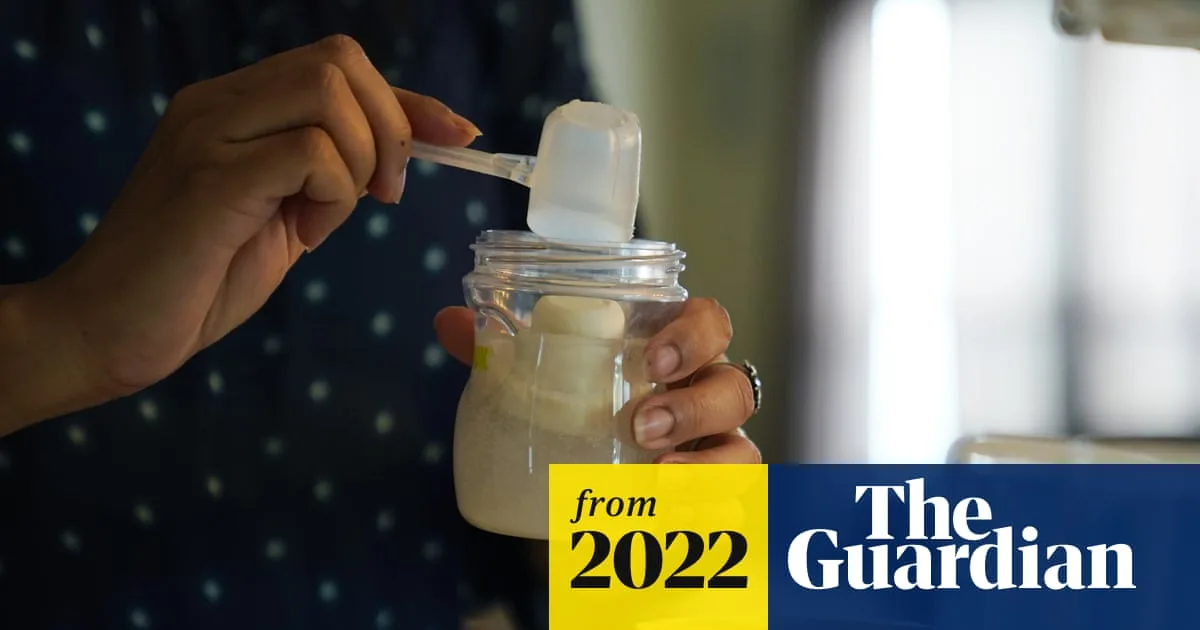
Infant formula milk is essential for babies who are not breastfed, yet an increasing number of struggling families are turning to food banks to obtain it. In a recent letter to the press, Sally Etheridge and Ellie Coteau highlighted the difficulties faced by food banks in providing formula, noting that the wrong type could put babies at risk.
Food bank staff, who are almost all volunteers, cannot be expected to understand which formula milks are appropriate. Prescription-only milks often end up in food banks, and desperate families may take whatever is available, even if it is unsuitable. As Unicef guidelines point out, food banks rely on donated goods and volunteer time, making it impossible to guarantee a consistent supply of infant formula.
Some food banks distribute vouchers to help families buy the formula that best suits their baby's needs, while others purchase appropriate formula on a case-by-case basis or signpost families to partner agencies for ongoing support. However, these decisions are not taken lightly, and each food bank does its best with limited resources.
The ultimate solution, the authors argue, would be better statutory provision to ensure families never need to rely on charity to feed their babies. In Leicester, the local authority and community organisations are collaborating to address the need in a sensitive and workable way, setting an example for others to follow.