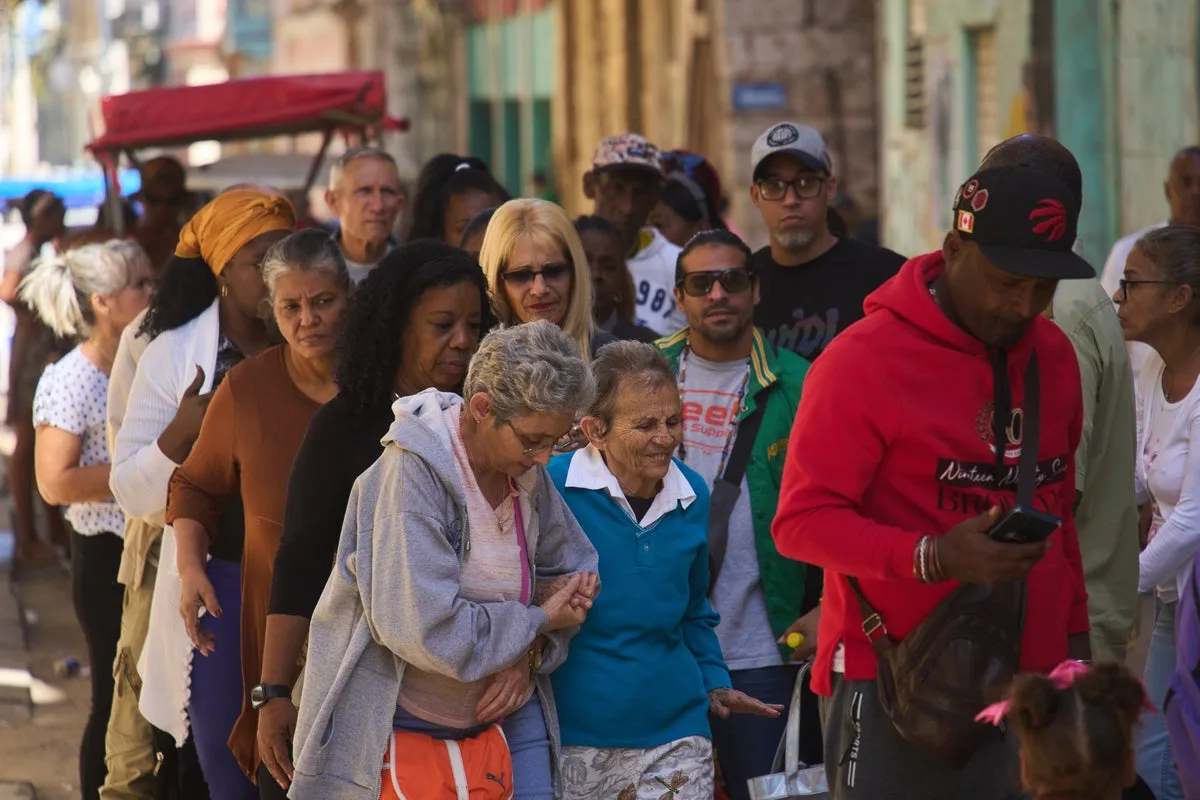
The Cuban peso has fallen to an all-time low against the US dollar in the country's informal market, reaching 500 pesos to the dollar, according to independent news site El Toque. This marks a significant decline from around 400 pesos last summer, reflecting the deepening economic crisis exacerbated by US sanctions and recent restrictions on oil imports.
The informal exchange rate, often negotiated via WhatsApp groups and between individuals bringing cash from abroad, is widely used as a gauge of Cuba's economic health. Despite government efforts to control the economy, the peso has steadily weakened over the past five years as the country has faced severe economic and energy challenges.
Economist Ricardo Torres of American University noted that the peso's decline is not good news, as many goods are already sold in dollars while most Cubans lack stable dollar income. The average state salary of around 7,000 pesos is now worth about $14 on the informal market, while a carton of eggs costs 3,000 pesos.

The peso's fall accelerated after a US military operation in Venezuela on January 3 and President Trump's announcement that no more Venezuelan oil would go to Cuba. The rate then dropped from around 438 to 500 pesos per dollar. Further pressure came from Trump's threat of tariffs on nations providing Cuba with fuel, leading Mexico to cut off shipments.
In response, Cuba's government limited gasoline sales to dollars and foreign currency, and announced insufficient oil for refuelling airplanes, causing flight cancellations and damaging tourism. Public transport in Havana has been slashed, blackouts have worsened, banks have reduced hours, and cultural events have been cancelled.