Birmingham Chip Shop Owner Blames Trump and Starmer for Price Hikes Amid Iran Conflict
Chip Shop Owner Blames Trump and Starmer for Price Rises

Birmingham Takeaway Owner Points Finger at Trump and Starmer Over Soaring Costs

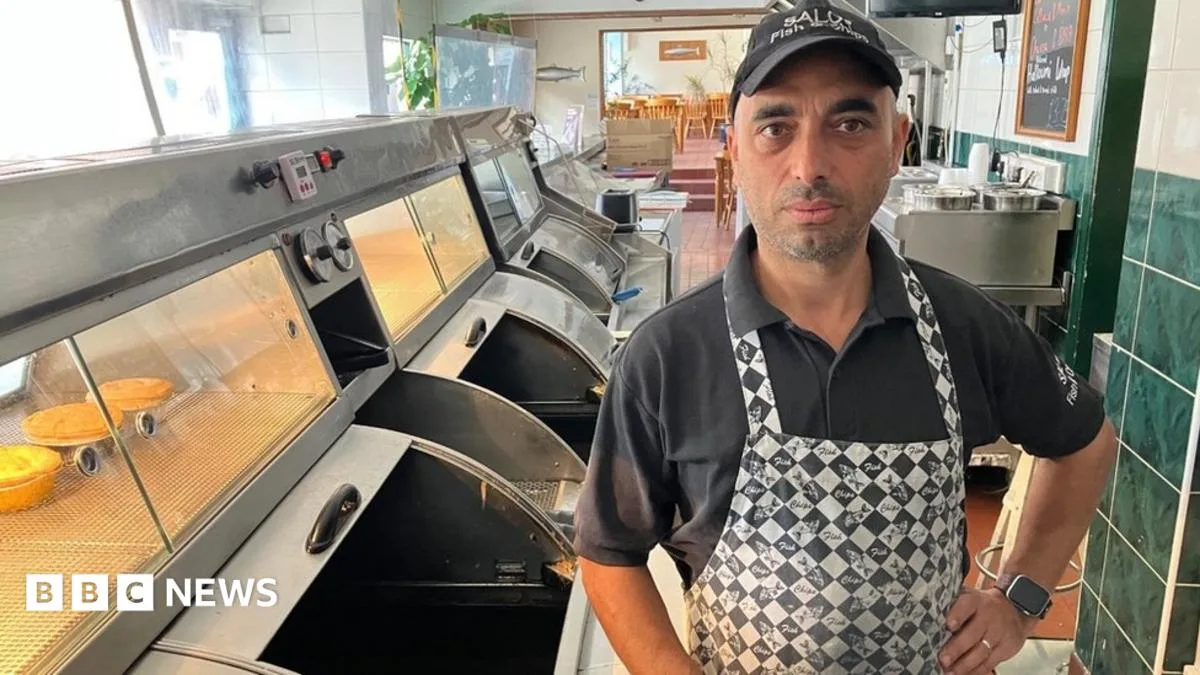
Nassar Iqbal, the proprietor of the Hot Spot chip shop in Billesley, Birmingham, has launched a scathing critique against former US President Donald Trump and UK Prime Minister Keir Starmer, holding them responsible for escalating price increases affecting his business. In a passionate social media post, Iqbal expressed his frustration over the economic fallout from the ongoing conflict in Iran, which he directly links to the actions of these political figures.

From Admiration to Accusation: A Shift in Perspective

Iqbal revealed that his initial view of Trump was once favourable, comparing him to a steadfast, old-fashioned figure reminiscent of his father. However, the current Middle East turmoil has drastically altered his opinion. "He's come this time, and all he's doing is creating more wars; he's a warmonger," Iqbal stated, referencing Trump's involvement in Iran. He detailed how the airstrikes that killed Iranian Supreme Leader Ali Khamenei have sparked retaliatory threats, exacerbating regional instability.

The chip shop owner did not spare domestic leadership either, criticising Prime Minister Keir Starmer for Britain's involvement in the conflict. "Keir Starmer's getting involved as well, so we've all got to get involved," he told Birmingham Live, emphasising that this collective engagement is driving up costs for essential items like fish, potatoes, and cooking oil.

Wide Pickt banner — collaborative shopping lists app for Telegram, phone mockup with grocery list

Economic Ripple Effects: Fuel Prices and Consumer Impact

The Iran conflict has already triggered significant economic consequences in the UK, particularly in the energy sector. Average petrol prices have surged above 150p per litre, with diesel reaching 177.68p per litre, according to the RAC. This marks a sharp increase from pre-conflict levels of 132.83p for petrol and 142.38p for diesel. Iqbal warned that these spikes will inevitably force him to raise prices at his takeaway, shifting blame away from himself and onto the political leaders. "People are going to say to me: 'Uncle Nas is putting the price up.' I'm not putting the price up. Blame Donald Trump and Keir Starmer for having these wars," he asserted.

Broader Implications: Calls for Government Action

The situation has grown so severe that former BP head of strategy Nick Butler has urged ministers to consider implementing driving restrictions to manage fuel shortages. Butler suggested measures such as alternate-day road usage based on car registration numbers and employers offering an extra day off weekly to reduce commuter traffic. "If supplies are cut by 20 per cent, then someone is using 20% less," he explained on BBC Radio 4's Today programme, stressing the need to protect key sectors like food supply, healthcare, and education.

As tensions continue to mount, Iqbal's outcry highlights the tangible impact of global conflicts on local businesses and everyday consumers, underscoring the interconnectedness of international politics and domestic economics.

Pickt after-article banner — collaborative shopping lists app with family illustration